SMUD Pulls Plug on Coyote Creek Solar PPA
Jan 6, 2026 10:01 AM ET
- SMUD scraps its 200‑MW Coyote Creek solar PPA amid costs, tariffs, delays and lawsuits, while reaffirming a 2030 zero‑carbon push as the battery‑paired project faces environmental challenges.
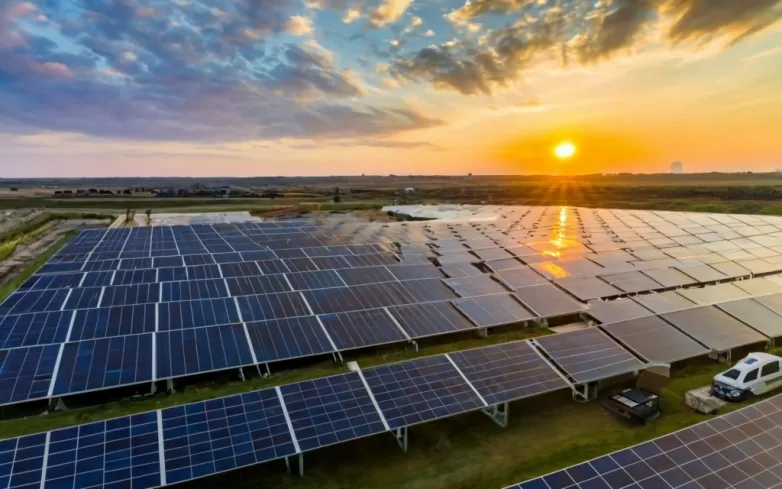
The Sacramento Municipal Utility District revoked its off‑take agreement for the 200‑MW Coyote Creek solar project, citing supply‑chain constraints, price increases, tariffs, delays, environmental impacts and pending litigation. The PPA with developer D.E. Shaw Renewable Investments, signed in 2021, was scrapped Monday. SMUD still values the partnership and reaffirmed its 2030 zero‑carbon goal.
Coyote Creek, planned northwest of Rancho Murieta in Sacramento County, would pair a 200‑MW PV array with a four‑hour, 100‑MW battery system and generate power equal to 44,000 homes’ use. The county Board of Supervisors approved the project in November, a decision challenged by local environmental groups.
How will SMUD’s PPA termination impact Coyote Creek’s financing, schedule, and permitting?
- Global buildout: ~560–600 GW of new renewables expected in 2025, with solar >70% of additions and utility-scale storage deployments exceeding 60 GWh worldwide.
- Prices: Utility PV module ASPs hovering around $0.12–0.16/W for Tier-1; onshore wind turbine prices stabilizing after 2022–23 inflation but balance-of-plant still elevated.
- Supply chain: Polysilicon oversupply persists; wafer/cell consolidation accelerating in China; U.S. manufacturing ramps (modules, trackers, inverters) but nacelles/blades remain constrained.
- Storage: LFP dominates; sodium-ion entering commercial fleets for stationary applications; multi-day iron-air and flow batteries moving from pilots to early procurement.
- Grid queues: Interconnection backlogs >2 TW in U.S. with median timelines ~4–5 years; cluster studies and cost-sharing reforms begin to reduce attrition.
- Curtailment: Solar curtailment rising in high-penetration regions; hybridization (solar + storage) and advanced inverters mitigate but require updated market rules for flexibility.
- Permitting: Offshore wind and transmission face the longest lead times; digital siting tools, standardized wildlife surveys, and federal permitting timetables aim to cut years off approvals.
- Finance: Transferable tax credits and direct pay broaden investor base; merchant risk growing for projects without long-term offtake; rising insurance premiums for offshore and hurricane zones.
- PPAs: Corporate offtake shifts to shorter tenors with price reopeners; 24/7 matching and hourly certificates gain traction among data centers.
- Policy: U.S. domestic content and energy community adders materially improve project IRRs; EU revises market design to expand two-way CFDs; emerging markets leveraging blended finance.
- Offshore wind: Cost pressures easing with renegotiated PPAs and localized supply, but foundation installation and HV equipment remain bottlenecks; floating pilots scaling to 100–200 MW.
- Hydrogen: Electrolyzer costs trending toward $400–600/kW by 2027 with gigafactories online; bankability hinges on cheap renewables, high utilization, and clarity on carbon intensity metrics.
- Bioenergy: Sustainable aviation fuel demand outpacing feedstock growth; advanced pathways (alcohol-to-jet, e-fuels) move to FID with offtakes from airlines and cargo operators.
- Thermal decarbonization: Industrial heat pumps to 200°C reach commercial scale; solar process heat and geothermal district systems attract concessional capital.
- Critical minerals: Lithium and nickel markets loosen; grid-scale storage diversifies chemistries to reduce cobalt dependence; recycling capacity for batteries and blades expands.
- Community impact: Community benefits agreements and revenue-sharing improve acceptance; agrivoltaics and pollinator-friendly designs reduce land-use conflicts.
- Reliability: Microgrids and virtual power plants aggregate DERs for peak shaving; demand response from data centers and cold storage emerges as a firm resource.
- Operations: Fleetwide performance boosted by advanced forecasting, soiling analytics, and condition-based maintenance; inverter cybersecurity standards tightened.
- Decommissioning/recycling: PV glass/aluminum recovery improves economics; thermoplastic blades enable easier recycling; circular contracts appear in EPC bids.
- Weather risk: More frequent extremes drive designs with higher wind/snow loads, better drainage, and flood modeling; parametric insurance gains popularity.
- Market design: Scarcity pricing, negative-price floors, and nodal signals increasingly shape dispatch; capacity accreditation for hybrids and storage still evolving.
- Interregional transmission: Macro-grid concepts progress via public-private cost allocation; advanced conductors and dynamic line ratings yield faster wins than new corridors.
- Data centers: AI load growth accelerates utility-scale PPAs, onsite generation, and behind-the-meter storage; 24/7 clean power procurement reshapes hourly markets.
- EV integration: Managed charging and bidirectional pilots scale; depot charging ties into rooftop solar + batteries to cut demand charges.
- Emerging markets: Auctions add domestic content rules; currency hedging facilities and guarantees unlock more utility-scale solar and wind in Africa and Southeast Asia.
- Carbon accounting: Hourly matching and granular guarantees of origin reduce emissions mismatch; scope 2 market-based accounting faces tighter scrutiny.
- Workforce: Shortages in high-voltage electricians and wind technicians persist; apprenticeship requirements expand; safety protocols updated for battery sites.
- Innovation: Perovskite-silicon tandems approach 28–30% module efficiencies in trials; bifacial + trackers remain utility workhorse; DC-coupled hybrids spread.
- Outlook: Levelized costs expected to decline modestly through 2026 as input inflation recedes; projects with grid-friendly designs and flexible offtake outperform peers.
Also read