GreenYellow Commissions 14.55-MWp Colombian Solar Farm
May 5, 2026 08:03 PM ET
- GreenYellow launched a new 14.55-MWp solar farm in Colombia’s Cesar, kicking off operations and strengthening Latin America’s renewable expansion—amid a growing pipeline diversifying grid power supplies.
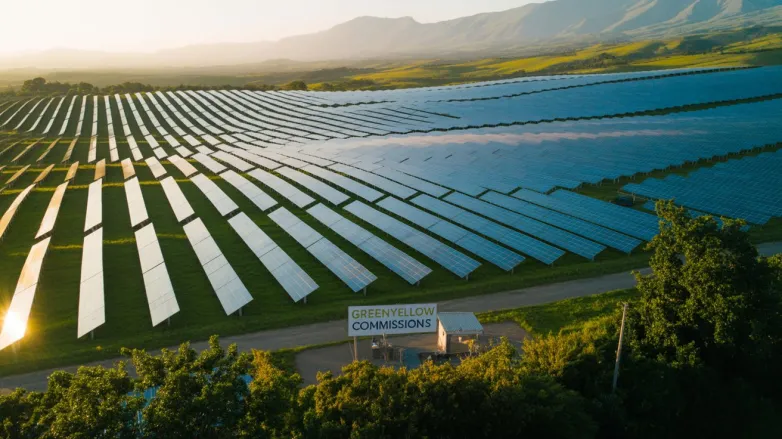
GreenYellow said it has commissioned a 14.55-MWp utility-scale solar farm in Colombia’s Cesar department, marking the start of operations for the project. The company did not disclose additional details on cost, timeline or power purchase terms.
The commissioning follows GreenYellow’s continued expansion in renewable generation across Latin America, as it increases its footprint in solar capacity. The new site adds to Colombia’s growing pipeline of grid-connected solar projects aimed at diversifying electricity supply.
What does GreenYellow’s new 14.55-MWp Cesar solar commissioning mean for Colombia’s solar growth?
- Signals continued momentum for Colombia’s utility-scale solar buildout, adding more grid-connected capacity to the country’s expanding renewables mix.
- Reinforces the trend of developers moving from early-stage pipeline development to operational delivery, which can help de-risk future solar projects by proving execution at scale.
- Adds to diversification of electricity supply in Colombia’s Cesar region, potentially improving regional generation availability and supporting power-system resilience.
- Supports the broader investment case for solar in Colombia by demonstrating that new large projects can reach commissioning and start producing power, which may encourage additional capital inflows.
- Strengthens competition and market liquidity in corporate and utility off-take environments, even though specific power purchase terms were not disclosed—more supply typically broadens options for buyers over time.
- Likely contributes to job creation and local economic activity during commissioning and ongoing operations, adding tangible local benefits often expected from solar deployments.
- Can help accelerate learning curves for logistics, permitting, grid interconnection, and construction practices in similar Colombian projects—reducing friction for the next wave of installations.
- Demonstrates international developer participation and sustained expansion by global renewable players, which is important for sustaining Colombia’s long-term solar pipeline.
- Adds to the signaling effect for policymakers and regulators: commissioning of new capacity supports continued refinement of frameworks that enable grid integration and renewable contracting.
- If additional projects follow similar scales and timelines, it can increase the likelihood that solar becomes an increasingly meaningful share of new generation capacity in Colombia in the coming years.