Atiaia 170-MW Solar Plant in Brazil Fully Operational
Mar 27, 2026 02:46 PM ET
- Atiaia’s 170‑MW Brazil solar complex is now fully operating, grid-connected and verified—helping utility owners lock reliable availability, stabilize cash flows, and optimize performance.
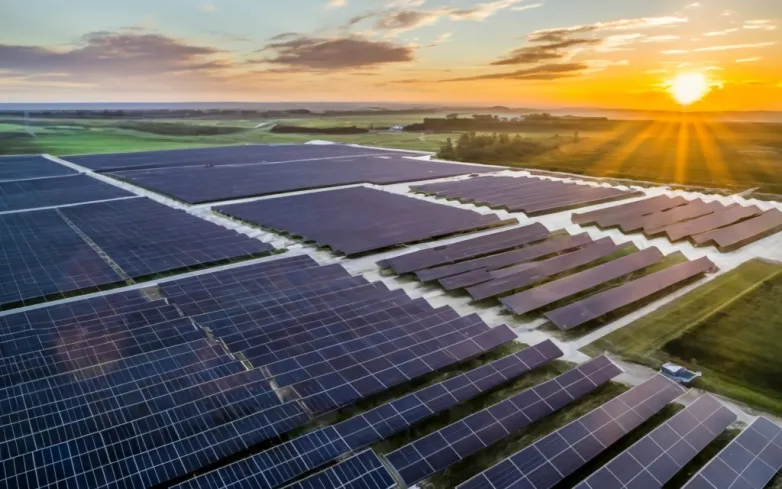
Atiaia has completed and placed into full commercial operation a 170-MW solar complex in Brazil after finishing remaining steps from phased commissioning into steady-state generation. The project is now fully connected to the grid, with testing and performance verification complete.
For utility-scale PV owners, reaching “full operation” confirms reliable availability measurement, stabilizes revenue to support refinancing or portfolio optimization, and enables clearer evaluation of operational performance. Industry focus includes maintaining output amid issues such as soiling and vegetation control, ensuring inverter responsiveness, and leveraging monitoring systems for faster fault isolation and preventive maintenance.
What does Atiaia’s 170-MW Brazil PV reaching full commercial operation mean for owners?
- Marks a transition from construction and staged commissioning to steady, bankable operations, helping owners confirm the asset performs as expected under normal dispatch conditions.
- Provides a clearer basis for revenue modeling: once fully in commercial operation, payment streams tied to grid availability and generation performance are typically more predictable for forecasting and refinancing.
- Improves the quality of performance data (e.g., availability, energy yield, curtailment behavior), which can strengthen reporting to lenders, investors, and internal portfolio management.
- Can support refinancing and balance-sheet optimization by reducing technical uncertainty and demonstrating that performance testing and grid synchronization requirements have been satisfied.
- Enables more confident portfolio optimization (repowering decisions, O&M contract structuring, and insurance coverage) because operational risk is more accurately characterized.
- Helps validate the reliability of critical systems—string/inverter performance, protections, interconnection behavior, and communications/SCADA monitoring—during sustained real-world operation.
- Strengthens the operational assurance case for continued compliance with grid codes and contractual requirements, lowering the probability of extended remedial works that could disrupt cash flow.
- Facilitates faster and more targeted O&M: with full monitoring and verification completed, owners can use performance analytics to isolate faults sooner and prioritize preventive maintenance.
- Reinforces long-term energy yield management strategies, including vegetation and soiling control, to protect output and reduce avoidable underperformance.
- Gives owners better confidence in degradation and production assumptions for asset valuation, including how the plant performs across seasons and varying irradiance/temperature conditions.
Also read