U.S. Cancels $30 Billion Biden-Era Energy Loans
- Trump team scraps $30B Biden-era green loans, rewrites $53B, axes $9.5B for wind/solar; rebrands office to Energy Dominance Financing, steers cash to gas and nuclear.
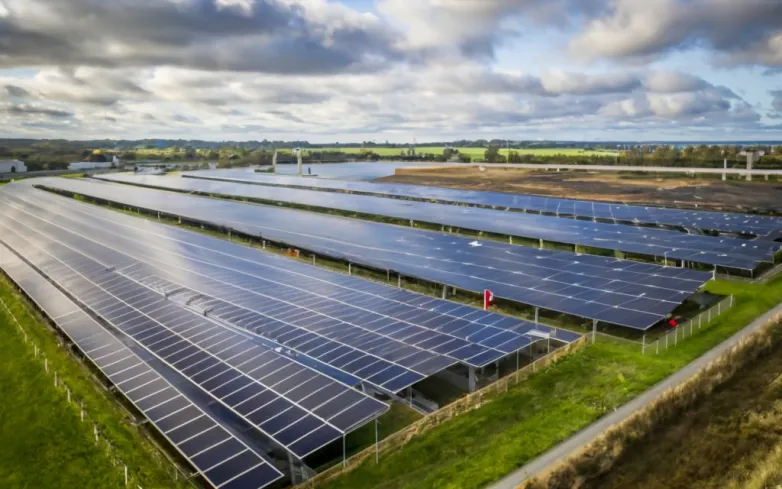
The Trump administration is canceling $30 billion in Energy Department financing approved under President Biden and will revise another $53 billion, while eliminating $9.5 billion for wind and solar. The Loan Programs Office, renamed the Office of Energy Dominance Financing, will redirect funds toward natural gas and nuclear projects.
Officials gave no deal-level details. The loans office swelled to a $400 billion green bank under Biden, fueled by Inflation Reduction Act, and financed Tesla’s Model S and Southern Co.’s reactors. Energy Secretary Chris Wright said $85 billion was rushed out after Trump’s election. About $289 billion in loan authority remains.
How will DOE loan cancellations reshape U.S. solar financing, pipelines, and manufacturing?
Financing costs and structures
- Higher cost of capital for utility‑scale projects as federal credit support recedes; sponsors lean more on commercial banks, private credit, and insurance‑backed wraps.
- Greater reliance on tax credit transfer markets and prepaid PPAs to replace lost leverage; tighter debt sizing and stricter covenants.
- Smaller and first‑time developers face tougher underwriting, pushing consolidation and joint ventures with well‑capitalized IPPs.
- Hedging and merchant exposure become harder to finance; more demand for contracted offtake and investment‑grade counterparties.
Project pipelines and timelines
- Repricing or rephasing of late‑stage projects; more cancellations at the margins where interconnection upgrades or curtailment risk are high.
- Slower financial closes extend development cycles; queues see increased attrition and a shift toward smaller, faster‑to‑build projects with storage.
- PPAs may include higher escalation, force‑majeure‑like clauses for policy shifts, and tighter milestone security from developers.
- Community and C&I solar feel less impact than giga‑scale projects, but rooftop and DG growth could absorb some displaced EPC capacity.
Manufacturing build‑out
- Planned cell/module factories without anchor financing struggle to reach FID; emphasis moves to brownfield expansions and phased capacity instead of mega‑fabs.
- Suppliers seek club deals with utilities and corporates for offtake‑linked financing; more take‑or‑pay wafer and cell contracts to unlock debt.
- Domestic content ambitions slow, risking greater reliance on imports and lengthening supply chains; procurement strategies diversify across regions to manage trade risk.
- Vertical integration plans (polysilicon‑to‑module) are reconsidered; firms prioritize bottleneck steps (cells/wafers) with faster paybacks.
Capital markets response
- Green bonds and project ABS play larger roles; insurance, pension, and infrastructure funds fill gaps but demand higher spreads.
- M&A rises as distressed pipelines and partially completed factories change hands; scale becomes a prerequisite to tap low‑cost capital.
Storage and hybrid implications
- Co‑located storage becomes more critical to secure bankable revenues; standalone storage with robust RA/ancillary contracts crowds in financing that solar alone may not.
- Grid‑enhancing technologies and flexible interconnection (operating envelopes, curtailment rights) gain traction to protect returns.
State and local counterweights
- State green banks, public utility commissions, and rate‑based utility procurement can partially backfill financing, favoring regulated markets.
- Regional policy support (REC multipliers, domestic content adders, expedited siting) tilts investment toward proactive states.
Offtaker and corporate shifts
- Corporates move from virtual to physical PPAs and sleeved deals to improve bankability; larger prepayments and credit wraps become common.
- Utilities increase build‑transfer agreements to leverage their balance sheets, reshaping who owns and operates assets.
Near‑term winners and losers
- Winners: large IPPs with balance‑sheet funding, utilities with rate base options, established manufacturers with existing capacity, storage integrators.
- Losers: thinly capitalized developers, greenfield manufacturing entrants, merchant‑exposed projects, and assets with high interconnection costs.
Long‑term market shape
- Fewer, larger sponsors controlling bigger, more curated pipelines; slower but more durable build rates emphasizing contracted, dispatchable hybrids.
- Greater premium on execution certainty, domestic supply assurance, and grid‑friendly design, with innovation in revenue stacking and risk transfer.
Also read