The Hidden Electrical Upgrades You Need Before Going Solar in the North Bay
The solar revolution is in full swing across California's North Bay. From the rolling hills of Walnut Creek to the sunny neighborhoods of Concord and Fairfield, homeowners are racing to harness the sun's power. It’s easy to get excited about the prospect of lower energy bills and energy independence. However, many homeowners overlook a critical step in the process: the electrical infrastructure that supports these advanced systems.
Installing solar panels isn't just about bolting glass to your roof. It is a major electrical renovation that fundamentally changes how your home consumes and generates power. Without the right preparation, your new solar investment could be bottlenecked by outdated wiring or an insufficient electrical panel.
Why Your Main Service Panel Matters
Think of your main service panel as the heart of your home's electrical system. It pumps electricity to every outlet, appliance, and light fixture. When you add solar panels, you are effectively asking that heart to pump in two directions—receiving power from the grid and pushing excess solar power back out.
For many older homes in cities like Lafayette and Martinez, the existing 100-amp or even 125-amp panels simply cannot handle this increased load. Modern solar arrays, especially when paired with Level 2 EV chargers or heat pumps, often require a main panel upgrade to 200 amps or more.
If your panel is outdated, you might face safety hazards or simply be denied a permit for your solar project. This is where a professional assessment becomes vital. A panel upgrade ensures your home has the capacity to handle not just today's solar needs, but tomorrow's energy demands as well.
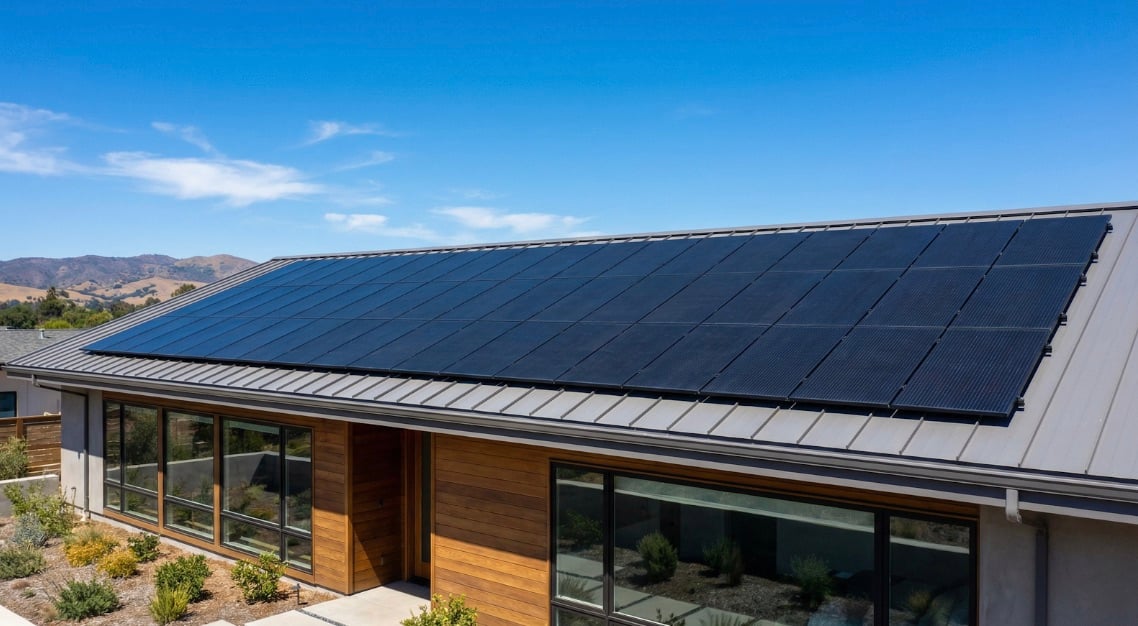
Figure 1: Professional solar installation on a North Bay home
The Role of Battery Storage in Energy Independence
Solar panels are fantastic when the sun is shining, but what happens when the sun goes down or the grid goes out? This is where battery storage systems like the Tesla Powerwall come into play. In areas prone to Public Safety Power Shutoffs (PSPS), such as Orinda and Danville, energy storage is less of a luxury and more of a necessity.
Integrating a battery system requires precise electrical engineering. It involves installing a "gateway" that can instantly isolate your home from the grid during an outage, creating a microgrid that keeps your lights on and your refrigerator running. This complex interplay between solar generation, battery storage, and grid connection is why you need a licensed electrician who specializes in these advanced integrations.
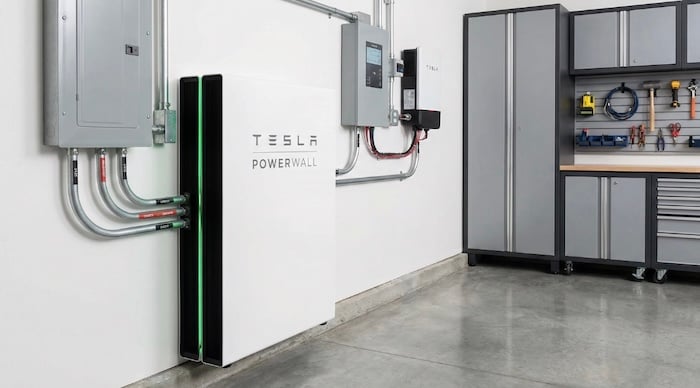
Figure 2: Tesla Powerwall battery storage system installation
Future-Proofing for Electric Vehicles
Most homeowners who install solar eventually purchase an electric vehicle (EV). It makes perfect sense: why pay for gas when you can drive on sunshine? However, adding an EV charger to a home with solar requires careful load management.
You don't want to trip your main breaker every time you plug in your car while the dryer is running. Smart electrical planning can integrate your EV charger with your solar system, allowing you to charge your car specifically when your panels are producing the most power. This maximizes your savings and reduces strain on the grid.
Navigating Local Codes and Safety Standards
Every city in the North Bay, from Vallejo to Antioch, has its own specific building codes and permitting requirements for solar and electrical work. What passes inspection in one city might fail in another.
Navigating this bureaucracy can be a headache for homeowners. Partnering with a local expert who understands these regional nuances is crucial. They ensure that your conduit runs are compliant, your grounding is up to code, and your system is safe for decades to come.
For more information on renewable energy incentives and federal tax credits that can help offset the cost of these upgrades, you can visit the U.S. Department of Energy's Guide to Federal Tax Credits.
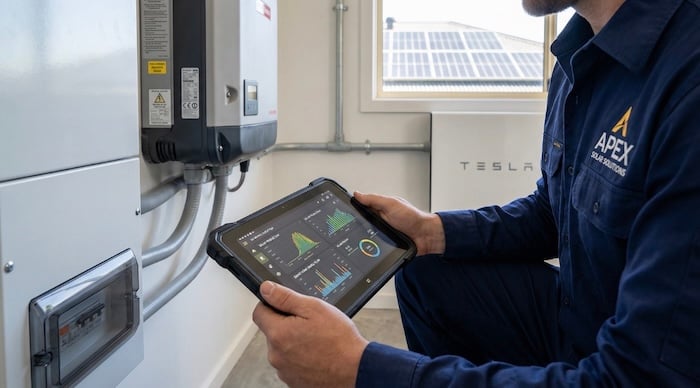
Figure 3: Advanced monitoring of solar energy production
Conclusion
Going solar is one of the best investments you can make for your home and the planet. But remember, the panels on your roof are only the tip of the iceberg. The real magic happens in the wires, breakers, and panels that make it all work.
Before you sign a solar contract, have your electrical system evaluated. Ensuring your home is "solar-ready" with a robust electrical foundation will save you time, money, and frustration in the long run. Whether you are in Pleasant Hill or Hercules, the right electrical preparation is the key to unlocking the full potential of the sun.
Also read
- How Do You Choose Durable Wiring for Rooftop Solar Systems in Harsh Climates?
- Innovative Advanced Energy Storage Solutions for Modern Power Systems
- Home EV Charging Stations in Ireland: How Much Can You Really Save?
- Automated File Conversion Services: Transform Documents Without Manual Work
- The Rapid Evolution of Direct Current Fast Charging for Electric Vehicle Fleets