How to Reduce Downtime in Solar Operations?
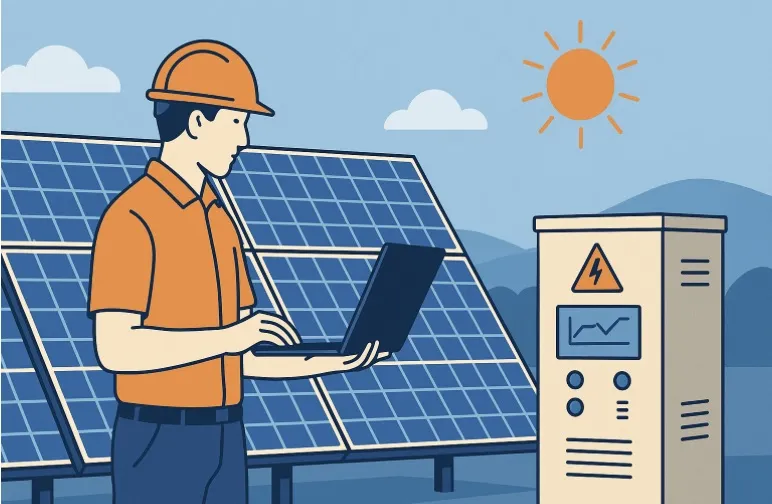
Reducing downtime in solar operations requires a combination of preventive maintenance strategies, continuous monitoring, and fast, well-coordinated responses when issues arise. Modern solar plants increasingly rely on digital tools, particularly solar O&M software, to support these efforts and turn operational data into actionable insights.
In this guide, we explore practical and proven approaches to reducing downtime in solar operations, including the role of solar O&M software in streamlining monitoring, maintenance, and decision-making across assets.
The Role Of Solar O&M Software In Reducing Downtime
Centralized Asset Monitoring And Maintenance Coordination
Solar O&M software centralizes operational data from multiple sources, including monitoring systems, inverters, meters, and inspection reports. This unified view allows operators to track asset performance, maintenance history, and equipment status in one place, reducing blind spots that often lead to unexpected downtime.
For example, using Scoop’s solar O&M software helps prevent small issues from escalating into major outages and supports more predictable system availability over time.
Data-Driven Insights And Faster Issue Resolution
By analyzing historical and real-time performance data, solar O&M software helps identify recurring issues, degradation patterns, and underperforming assets. These insights complement predictive maintenance strategies by highlighting where maintenance efforts will have the greatest impact on reliability.
Automated alerts and incident tracking ensure that performance anomalies are addressed promptly and consistently. Linking incidents to corrective actions also improves root-cause analysis, allowing operators to refine maintenance strategies and reduce the likelihood of repeat failures.
Over time, this data-driven approach shortens response times, improves maintenance effectiveness, and contributes directly to reducing overall solar downtime.
Optimizing Monitoring And Predictive Maintenance
Remote Monitoring Tools
Remote monitoring tools serve as your eyes and ears for solar operations when you can't physically be on-site. These systems collect and transmit real-time performance data, allowing you to spot issues before they escalate into costly problems.
Popular monitoring platforms offer user-friendly dashboards that display critical metrics including energy production, inverter status, and panel efficiency. Many provide mobile apps so you can check system performance from anywhere at any time.
The benefits extend beyond convenience. Early detection capabilities mean you can identify underperforming panels, connection issues, or inverter malfunctions immediately, rather than discovering them during routine maintenance visits or through reduced energy bills.
Most advanced tools now integrate weather data to compare actual versus expected output, helping you differentiate between normal weather-related fluctuations and genuine system problems that require attention.
Data Analytics For Predictive Maintenance
Data analytics transforms raw information from your solar installation into actionable insights that help prevent system failures. By analyzing patterns in performance data, you can anticipate maintenance needs before equipment breaks down.
Key data points worth tracking include inverter efficiency trends, string current variations, panel degradation rates, and temperature readings. These metrics create a comprehensive picture of system health that goes beyond simple production numbers.
Machine learning algorithms can process this information to identify subtle changes that might indicate developing problems. For example, gradual decreases in specific string outputs might signal connection degradation, while unusual temperature spikes could warn of potential component failure.
Your maintenance teams become more efficient too, focusing efforts on components that actually need attention rather than performing unnecessary routine checks on properly functioning equipment.
Leveraging SCADA Systems
SCADA (Supervisory Control and Data Acquisition) systems function as central nervous systems for larger solar operations. These comprehensive platforms monitor equipment performance while providing remote control capabilities for operational adjustments.
Your SCADA implementation can track thousands of data points simultaneously, from individual inverter outputs to weather station readings, creating a holistic view of facility performance. The historical data collected becomes invaluable for long-term analysis and optimization.
Control capabilities allow you to respond quickly to changing conditions. For instance, you might remotely adjust inverter settings during grid instability or implement protective measures during extreme weather events without dispatching technicians to the site.
Integration with other business systems enhances value further. SCADA data can feed directly into maintenance management software to automatically generate work orders when specific performance thresholds are crossed, streamlining your operational workflow.
Notifications And Alerts
Strategic alert configuration forms a critical component of effective solar monitoring. Your system should notify appropriate personnel about potential issues based on severity, allowing quick response to developing problems.
Alert hierarchies work best, minor variations might generate low-priority notifications for later review, while critical failures trigger immediate alerts to on-call technicians. This approach prevents alert fatigue while ensuring urgent matters receive prompt attention.
Communication channels should match your operational structure. Email notifications might suffice for non-urgent matters, while text messages or dedicated mobile app alerts prove more appropriate for critical issues requiring immediate action.
The most effective systems include diagnostic information with alerts, giving your maintenance teams valuable context before they arrive on-site. Details about affected components, historical performance, and potential causes help technicians prepare properly for service calls, reducing resolution time significantly.
Aerial And Ground Inspections
Detailed Ground Assessment
Ground assessments complement aerial surveys by examining components that cannot be properly evaluated from above. You should start with visual inspections of all panels, looking for physical damage such as cracks, delamination, or discoloration that might indicate internal failures.
Connection points require careful examination during your assessment. Loose connections can cause resistance, leading to heat buildup and potential fire hazards. Check all wiring for signs of wear, animal damage, or improper installation that could affect system performance.
Document everything you find with photographs and detailed notes. Creating a standardized checklist helps ensure no aspect of your solar installation goes unchecked. This documentation becomes valuable for tracking issues over time and planning maintenance schedules.
The data collected during ground assessments allows you to identify patterns that might indicate systemic problems rather than isolated incidents. Finding these patterns early prevents widespread failures across your solar array.
Checking And Calibrating Solar Trackers
Solar trackers require regular attention to maintain optimal performance. You need to begin by visually inspecting all moving parts for wear, damage, or misalignment. Check for loose bolts, bent components, or signs of stress that could lead to mechanical failure.
The calibration process involves verifying that your trackers accurately follow the sun's path throughout the day. Many modern systems include software diagnostics that help identify tracking errors. Run these diagnostics to pinpoint any discrepancies between programmed and actual positions.
Lubrication of moving parts should be performed according to manufacturer specifications. Proper lubrication reduces wear and extends the lifespan of your tracking system, saving you money on premature replacements.
Weather sensors that control stow positions during high winds or storms must function correctly to protect your investment. Test these sensors regularly to confirm they trigger appropriate protective measures when conditions warrant
Inspecting And Repairing DC Components
DC components form the backbone of your solar power system and demand thorough inspection. Start with the combiner boxes, checking for water intrusion, corrosion, or signs of overheating that could indicate current problems.
Fuses and circuit breakers need testing to verify they provide proper protection without nuisance tripping. Replace any fuses showing discoloration or damage immediately to prevent potential system failures.
Cable connections throughout the DC system should be examined for tightness and signs of arcing. Thermal imaging can reveal hot spots that aren't visible to the naked eye but indicate resistance issues that waste energy and create fire risks.
The junction boxes attached to individual panels require special attention during your inspection. These components are frequently exposed to extreme weather conditions and can develop seal failures that allow moisture ingress.
Addressing DC component issues promptly prevents cascading failures that could take entire strings offline. Small repairs made early often prevent major system outages and expensive emergency service calls later.
Also read
- How Do You Choose Durable Wiring for Rooftop Solar Systems in Harsh Climates?
- Innovative Advanced Energy Storage Solutions for Modern Power Systems
- Home EV Charging Stations in Ireland: How Much Can You Really Save?
- Automated File Conversion Services: Transform Documents Without Manual Work
- The Rapid Evolution of Direct Current Fast Charging for Electric Vehicle Fleets