Top Reasons To Switch to Solar
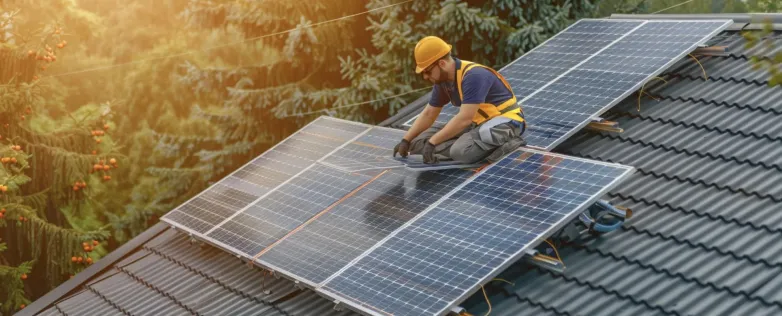
With increasing concerns over climate change and rising energy costs, more homeowners and businesses are seeking sustainable alternatives. Solar power has emerged as a leading solution, offering not just environmental benefits but also financial incentives. In particular, solar energy offers a significant reduction in electricity bills and greater energy autonomy, which is especially appealing amid volatility in global energy markets.
Advocating for a greener future, the switch to solar power has many compelling advantages. From reducing your carbon footprint to securing long-term savings, solar energy is a viable and responsible choice for energy consumption. Below, we explore the top reasons to consider a solar energy system for your home or business.
Embracing Energy Independence With Solar Power
The shift to solar energy offers a path to energy independence, freeing consumers from the volatility of traditional utility prices. By generating electricity on-site, solar panel owners can significantly reduce their reliance on the grid and even achieve a net-zero energy household.
For example, a typical residential solar installation can generate anywhere from 3500 to 8500 kWh per year, depending on geographic location and system size. This self-sufficiency not only insulates homeowners from rate hikes but also provides a predictable energy cost over the system's lifespan, which can exceed 25 years.
Investing in solar technology might start with an assessment of your energy consumption, followed by a consultation with a professional installer. This will help determine the optimal system size and type to maximize your energy independence.
Reducing Carbon Footprint Through Solar Energy Adoption
Opting for solar power is an effective strategy for slashing greenhouse gas emissions. Residential and commercial solar systems reduce electricity demand from fossil fuels, lowering users' carbon footprint.
One residential solar system can offset approximately 100 tons of carbon dioxide over its lifetime — the equivalent of planting about 2,500 trees. As utility companies increasingly adopt renewable energy, individual contributions can have a significant cumulative impact on the environment.
To achieve these environmental benefits, it's essential to evaluate your property's solar potential and select high-efficiency solar panels that maximize performance within the available space.
Long-term Cost Savings of Solar Energy Systems
While the upfront costs of solar panel installation can be substantial, the long-term financial benefits are undeniable. Solar energy systems can dramatically reduce, if not eliminate, your monthly electricity bills, resulting in substantial savings over time.
In many regions, government incentives, such as tax credits, rebates, and solar renewable energy certificates (SRECs), further sweeten the deal. These incentives can cover a significant portion of the initial cost, making solar investments increasingly affordable. Additionally, some jurisdictions offer net metering programs that allow surplus energy to be sold back to the grid, generating revenue.
Prospective solar energy users should explore local and national incentive programs and calculate the expected break-even point to fully grasp the financial advantages of going solar.
Enhancing Property Value With Solar Installations

Solar energy systems do not just save money on energy bills; they can also boost the value of your property. Homes equipped with solar installations often attract premium prices upon sale, reflecting the long-term energy savings potential for new owners.
A Zillow study found that homes with solar panels sold for about 4.1% more on average than those without. This increase underscores the market's growing recognition of solar energy's benefits. Prospective buyers recognize the reduced operating costs and environmental benefits of a solar-powered home.
Homeowners considering a switch to solar should view this investment as both a contribution to sustainability and an enhancement to their home's market appeal. Consulting with a solar professional can help determine the most advantageous configuration for their residence.
The adoption of solar power is a sensible approach for individuals seeking to mitigate environmental impact, achieve energy independence, realize long-term savings, and enhance property values. The advantages of solar energy are clear, and with technological advancements and financial incentives in place, the transition to solar is easier than ever. Making the switch not only aligns with responsible environmental stewardship but also presents a sound economic decision for the future.
Also read
- How Do You Choose Durable Wiring for Rooftop Solar Systems in Harsh Climates?
- Innovative Advanced Energy Storage Solutions for Modern Power Systems
- Home EV Charging Stations in Ireland: How Much Can You Really Save?
- Automated File Conversion Services: Transform Documents Without Manual Work
- The Rapid Evolution of Direct Current Fast Charging for Electric Vehicle Fleets