Polysilicon price leaps 9% in a week as energy crisis hits China
- Polysilicon costs have actually risen by 8.6% to RMB230/kg (US$ 35.3/ kg) today following a power dilemma in China that has seen the government order silicon steel manufacturers to curb their procedures.
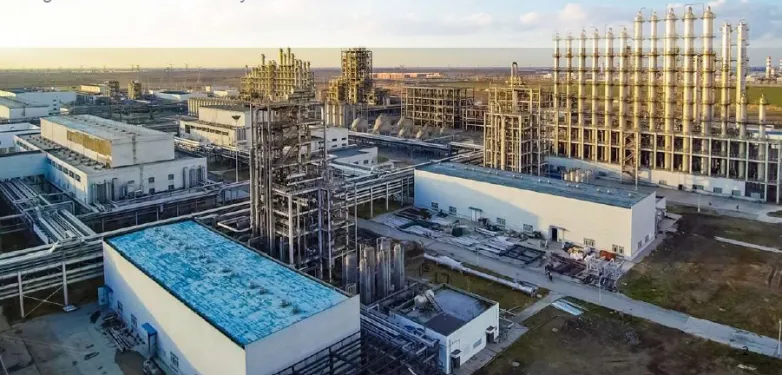
Manufacturers of silicon steel in China have been told by the country's federal government to shutter or decrease functioning hours while a power situation grips the nation, as well as specifically Yunnan Province. Therefore, the cost of solar-grade polysilicon has jumped by practically 9% in a week.
The most recent enter polysilicon price is expected to increase the rate of monofacial PERC modules by 2.1%, equal to about US$ 0.005/ W. This follows a year that has actually seen module rates increase by 25%, causing the hold-up or termination of solar projects.
China has been hit by an excellent storm when it concerns its energy crisis. Falling coal manufacturing and also reserves, poor energy performance as well as rising demand complying with the pandemic have all incorporated to deplete power availability and also rise rates.
As a reaction, China has actually bought train firms and regional authorities to speed up coal supplies to utilities. Coal still represents 56% of China's power generation and also is made use of to power several productions sites that make solar products.
Without A Doubt, Bloomberg News, citing unidentified sources, reported yesterday (29 September) that China was considering up whether to raise industrial power prices in order to reduce the supply stress.
China has actually just recently sought to decrease its power usage yet "the visuals more likely stired up a tinderbox of problems accumulating for months around soaring fuel rates and coal shortages, highlighting the difficulties in implementing energy policy in the context of a substantial economic situation with various relocating parts," according to an analysis paper by S&P Global released the other day (29 September).
Module rates have gotten on the surge because December last year because of a variety of aspects, consisting of polysilicon supply scarcities as well as skyrocketing delivery prices. Specialists expected the cost of modules ahead down in the new year.
Also read
- First Solar Opens First Phase of $330 Million South Carolina Plant
- Daqo Cuts Polysilicon Cash Cost to Record $4.23/kg as Q3 Loss Narrows
- EU Ends 12-Year Duties on Chinese Solar Glass With No EU Maker Left
- Tesla Deploys 13.7 GWh of Storage in Q3 as Energy Revenue Falls 16%
- Peak Energy Raises $108 Million as GM Ventures Leads Sodium-Ion Round