Neoen Secures 250 MW Solar Contracts in Ontario
Apr 21, 2026 07:24 AM ET
- Neoen wins two 20-year Ontario solar LT2 deals—318 MWp—partnering with Indigenous communities. Construction begins 2028, operations 2029/2030, targeting 475 GWh annually.
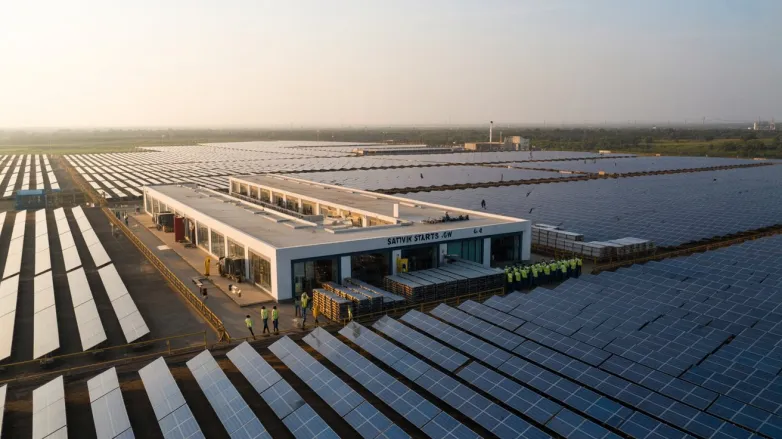
Neoen has secured two 20-year contracts for solar in Ontario, totaling 318 MWp/250 MWac through the province’s Long-Term 2 (LT2) procurement process. The awards come as the Independent Electricity System Operator (IESO) selected more than 1,300 MW of renewable capacity under the first “energy stream” window.
The projects include a 253-MWp/200-MWac solar development near Dunns Valley with Garden River First Nation, and a 65-MWp/50-MWac site near Paradis Bay co-owned with Matachewan First Nation; both Indigenous partners hold 50% equity. Construction is planned to begin in 2028, with operations starting in 2029 and 2030, respectively, for a combined 475 GWh annually. Neoen says Ontario is a key market and its Canada portfolio totals 968 MW.
How do Neoen’s 20-year Ontario LT2 solar contracts advance Indigenous-led 318 MWp projects?
- Long-term revenue certainty: The province’s 20-year LT2 contracts give the projects predictable, bankable cash flows that help Indigenous partners de-risk development and secure financing for large-scale solar.
- Indigenous equity at the project level: Both sites are structured so the Indigenous partners hold 50% equity, aligning long-term project ownership with long-term contract value rather than limited participation roles.
- Scale that supports community capacity: With a combined 318 MWp, the projects create room for Indigenous-led entities to build sustained technical, commercial, and operations expertise as the assets move from construction into decades of performance.
- Stable demand through an Ontario procurement pathway: By clearing the IESO LT2 process, the projects move through a recognized system for contracting renewable generation, reducing uncertainty around grid connection and sales arrangements.
- Economic benefits beyond lease payments: The equity structure and long-duration contracts can translate into ongoing community returns (e.g., distributions to partners), not just one-time land compensation during early-stage work.
- Employment and local procurement opportunities during buildout: Major solar construction scheduled for the late 2020s typically requires trades, site services, and supplier engagement—helping communities plan workforce development around a multi-year build.
- Longer planning horizon for local governance: A 20-year agreement supports multi-decade planning for infrastructure, community investment strategies, and decision-making around land and participation models.
- Enables replication and learning: Successful delivery of Indigenous-partnered LT2 projects can serve as a blueprint for additional community-led renewable developments, improving access to capital and partnerships for future phases.
- Strengthens clean-energy delivery while centering Indigenous leadership: The contracts support Ontario’s renewable buildout while giving Indigenous partners meaningful ownership and a direct stake in the performance of the generating assets.
Also read
- Cosin Solar Tops Out Two 199-Meter Towers at 350-MW Golmud CSP Plant
- Berkeley Lab Finds US Utility Solar Cost Rose 7% to $61/MWh in 2025
- EBRD Arranges $265 Million for Egypt's 1.2-GW Nefer Minya Solar Plant
- Sichuan's First 100-MW Tower CSP Plant Wins Environmental Approval
- CHN Energy Switches On 120-MWh Battery at Rudong Solar-Hydrogen Hub