Inside a Commercial Solar Installation: The 604GoSolar Journey from Start to Finish
Quick Answer
A commercial solar project typically moves through consultation, site evaluation, custom design, permitting, installation, and activation. Most businesses experience minimal disruption during the process, with professional teams coordinating every detail behind the scenes. From initial concept to generating clean, renewable power, the journey usually spans several weeks to a few months, depending on project scope, utility requirements, and local approval timelines.
Introduction
Imagine standing on the roof of your warehouse or office building, feeling the Canadian sun warming the panels that could soon power your operations. For many business leaders, that vision starts as a question: what would it take to harness clean energy while reducing costs over time? The answer lies in a carefully planned journey, one that transforms sunlight into savings with precision and care.
Every successful project begins with clarity. When you understand the stages involved in a commercial solar installation, you can set realistic expectations and make informed decisions at each turn. This roadmap helps demystify the process and highlights where expert guidance creates the greatest value for your organization.
In this guide, we walk through each phase from initial consultation to final activation. You will learn what to anticipate, how to prepare your site, and which details matter most for a smooth, efficient transition to solar power. Let us explore the journey together.
The Complete Commercial Solar Installation Process Explained
Understanding each phase of your solar journey helps you prepare, plan, and partner effectively. Below is a detailed breakdown of what happens from the first conversation to flipping the switch on your new energy system.
Initial Consultation and Energy Assessment
The process begins with a thorough review of your business energy needs. A qualified specialist will examine your utility bills, peak demand periods, and operational hours to determine the optimal system size. This stage also explores your sustainability goals and budget parameters. Key discussion points often include:
-
Current electricity consumption patterns
-
Available roof or ground space for equipment
-
Short-term and long-term financial objectives
-
Potential incentives or rebate programs in your province
Site Evaluation and Structural Analysis
Once preliminary goals are set, a technical team visits your property to assess feasibility. They examine roof condition, structural integrity, shading patterns, and electrical infrastructure. This evaluation ensures your building can safely support the added load and that the system will perform efficiently for decades. A simple checklist guides this phase:
|
Evaluation Factor |
Why It Matters |
|
Roof age and material |
Determines if repairs or replacements are needed before installation |
|
Sun exposure and shading |
Affects energy production and panel placement strategy |
|
Electrical panel capacity |
Influences system design and potential upgrade requirements |
|
Local climate conditions |
Guides equipment selection for durability and performance |
Custom System Design and Engineering
With data in hand, engineers create a tailored layout using high-efficiency commercial solar panels. The design balances energy output, aesthetic considerations, and budget. Advanced software models sun angles, weather patterns, and seasonal variations to forecast production accurately. You will receive a detailed proposal showing:
-
Panel placement and mounting method
-
Inverter type and location
-
Expected monthly and annual energy generation
-
Projected savings over the system lifespan
Permitting and Utility Coordination
This phase often takes the longest but is handled entirely by your project team. They submit applications to municipal authorities, electrical safety organizations, and your local utility provider. Requirements vary by region, but common documents include:
-
Structural engineering stamps
-
Electrical single-line diagrams
-
Fire safety compliance plans
-
Interconnection agreements
Patience here pays off. Proper permitting ensures your system meets all codes and qualifies for net metering or other compensation programs.
Installation Day: What to Expect
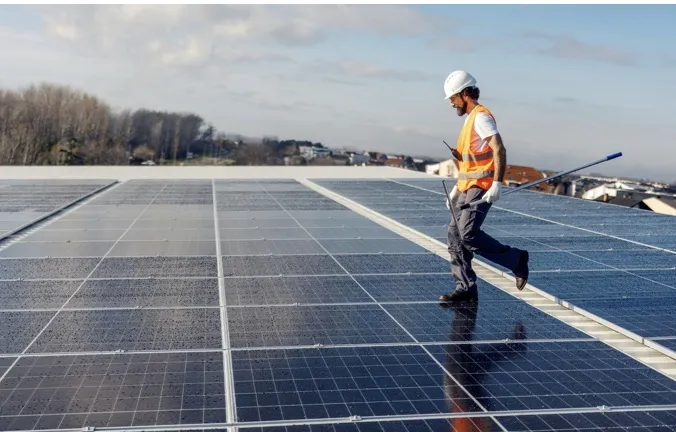
When approvals are secured, the physical commercial solar panel installation begins. Professional crews work efficiently to minimize disruption to your daily operations. Most projects follow this sequence:
-
Site preparation and safety setup
-
Mounting hardware attachment to roof or ground structure
-
Panel placement and electrical wiring
-
Inverter and monitoring system installation
-
Final connections to your building electrical system
Teams typically complete the on-site work in one to five days, depending on system size and complexity.
Inspection, Commissioning, and Activation
After installation, local authorities conduct a final inspection to verify code compliance. Once approved, your utility provider grants permission to operate. The system is then activated, and your monitoring platform goes live. You can begin tracking energy production in real time and watching your savings accumulate. A quick reference for this final stage:
|
Step |
Typical Timeline |
Responsible Party |
|
Municipal inspection |
1 to 3 weeks |
Local building department |
|
Utility approval |
2 to 4 weeks |
Your electricity provider |
|
System activation |
1 to 2 days |
Installation team |
|
Monitoring setup |
Same day as activation |
Project coordinator |
What to Consider After Understanding the Solar Journey
Now that you know how the process unfolds, you may wonder what steps to take next or how to maximize the value of your investment. This section offers practical guidance to help you move forward with confidence.
Smart Preparation Tips for Business Owners
Getting ready for your solar project can streamline the entire experience. Consider these actionable steps before you begin:
-
Review three to five years of electricity bills to identify usage trends
-
Document any planned building expansions or equipment upgrades
-
Discuss the project with key stakeholders to align goals and expectations
-
Research provincial incentive programs that could improve your return
Taking time to prepare internally ensures your external partnerships run smoothly and efficiently.
Evaluating Long-Term Value Beyond Installation
While upfront costs matter, the true benefit of solar for business emerges over time. A well-designed system delivers compounding advantages:
|
Value Driver |
Typical Impact |
|
Reduced utility bills |
60 to 90 percent savings on electricity costs |
|
Protection against rate hikes |
Fixed energy costs for 25 plus years |
|
Increased property value |
Commercial buildings with solar often appraise higher |
|
Brand reputation boost |
Demonstrates commitment to sustainability for customers and employees |
Choosing the Right Equipment and Partners
Selecting high-quality commercial solar panels is essential for performance and longevity. Look for products with strong warranties, proven efficiency ratings, and compatibility with Canadian weather conditions. When evaluating installers, ask about:
-
Experience with projects of similar scale and industry
-
In-house engineering and permitting support
-
Post activation monitoring and maintenance offerings
-
References from past commercial clients
The right team, like 604 Go Solar, handles complexities behind the scenes so you can focus on your core business.
Common Pitfalls to Avoid
Even well-intentioned projects can stumble without careful planning. Watch for these frequent missteps:
-
Underestimating the time needed for permitting and utility approvals
-
Overlooking roof maintenance needs before panel placement
-
Choosing equipment based solely on price rather than total lifecycle value
-
Failing to plan for future energy needs or expansion
Awareness of these challenges helps you ask the right questions and set realistic timelines from the start.
Supporting Services Worth Exploring
Many businesses enhance their solar investment with complementary solutions. These options can amplify savings and sustainability:
-
Battery storage systems for backup power and peak shaving
-
Energy management software to optimize consumption patterns
-
Electric vehicle charging stations powered by your solar array
-
Regular performance monitoring to ensure optimal output
Discuss these possibilities with your project advisor to determine which additions align with your goals.
Final Thoughts on Your Commercial Solar Journey
Transitioning to solar power represents a strategic investment in your business's future. The path from initial curiosity to active energy generation may seem complex, but with the right knowledge and support, it becomes a clear and rewarding process.
Also read
- How Do You Choose Durable Wiring for Rooftop Solar Systems in Harsh Climates?
- Innovative Advanced Energy Storage Solutions for Modern Power Systems
- Home EV Charging Stations in Ireland: How Much Can You Really Save?
- Automated File Conversion Services: Transform Documents Without Manual Work
- The Rapid Evolution of Direct Current Fast Charging for Electric Vehicle Fleets