Industrial Fabrication Process for Solar Power Technologies
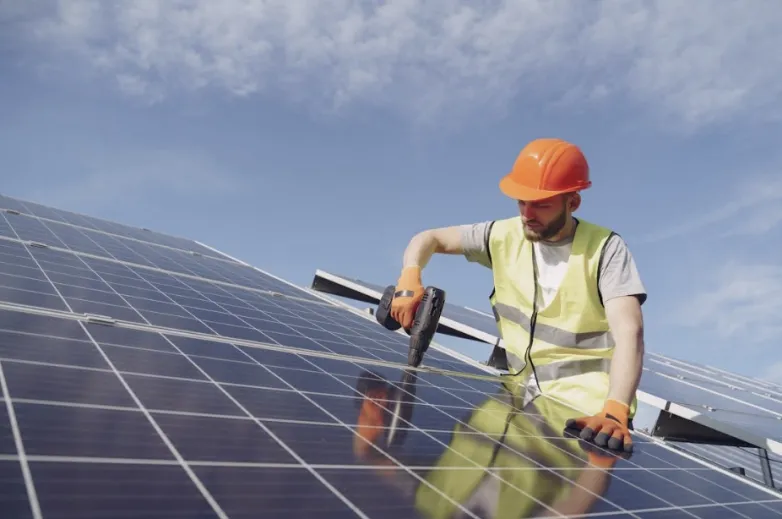
Ever wonder how solar panels are built?
Solar is hot right now. But behind every solar farm and rooftop array is an often overlooked foundation…
Industrial fabrication.
Solar panels wouldn't have anything to attach to without precision metal fabrication. That means no frames. No racking systems. No solar mounting hardware. Nada.
Let's break it down…
The industrial fabrication process makes solar possible at scale. Steel cutting and welding, galvanization, assembling. It all comes together to create the structures solar panels attach to year after year.
Consider this: domestic solar module manufacturing capacity soared 190% year-over-year as of 2024 according to SEIA. You can't build that kind of growth without serious fabrication capability.
What you'll learn:
-
How Industrial Fabrication Fuels Solar Power
-
Key Fabrication Steps for Solar Mounting Systems
-
Types of Materials Used in Solar Fabrication
-
Why Fabrication Quality Matters for Solar Installations
How Industrial Fabrication Fuels Solar Power
Solar panels themselves don't do much without something to hold them up. Solar mounting systems keep panels sturdy in all kinds of weather conditions, and secure against decades of UV exposure.
Solar mounting hardware starts life at a fabrication shop.
Large scale metal fabrication facilities are equipped to handle custom solar racking requests. Ground mount racks. Rooftop frames. Tracker systems. You name it. Fabricators cut, shape, weld, and finish the metal components that comprise solar mounting systems.
Think about how many posts are in a utility-scale solar farm. Over 200,000 mounting posts per gigawatt of capacity. Every one of those needs to be precision-cut to meet strict tolerances so panels can angle correctly.
The fabrication process is where it all begins. Metalworking brings solar mounting infrastructure from concept to reality.
Key Fabrication Steps for Solar Mounting Systems
Solar mounting hardware isn't magical — it's built using a series of fabrication steps.
Cutting and shaping raw metal is the first step towards finished solar frames, mounts, and structural supports. Several processes work in concert to create reliable solar mounting hardware.
Cutting & shaping: First, CNC plasma cutters and laser cutting tools slice through steel and aluminum tubing at precise widths. Automation allows cutting machines to work large volumes with accuracy measured in millimetres.
This is where metal starts to become solar mounting parts. Next up is forming.
Forming: Press brakes and roll-forming machines turn flat sheets of steel into channels, angles, and formed profiles. Custom solar mounting hardware often requires fabricated metal in bespoke shapes and sizes.
Solar-specific roll-forming is a huge part of this. Some fabricators can roll-form solar mounting rails at up 10 times faster than traditional extrusion methods.
Welding: Metal welding joins the final solar hardware components together. From MIG welding to TIG welding, completing the skeleton of a solar racking system takes skill..and heat.
Lastly, welds have to hold up outdoors for decades. Inferior welding jobs are susceptible to failures that compromise entire solar projects.
Surface treatment: Galvanization and other surface treatments keep steel mounting hardware from corroding away. Zinc coating through hot-dip galvanization doubles the lifespan of solar mounting components.
Solar farm updates throughout the 2020s increasingly used galvanized steel for its improved durability. New solar mounting systems with modern galvanized steel are performing well into their 25+ year projected lifespans with far less maintenance than older installations.
Types of Materials Used in Solar Fabrication
Solar mounting systems aren't one-size-fits-all, and neither is the material that goes into them.
Steel is far and away the most common material for solar mounting applications.
Of raw materials used for solar mounting systems, steel and aluminum make up 89% of the total. We'll discuss aluminium later, but for now know this: steel is the workhorse of solar fabrication.
Cheap steel also offers unparalleled strength. Solar arrays, especially ground mounts, require substantial structural support. Cold-formed steel options give fabricators high strength and low prices working in their favour.
Combined with galvanization, domestically sourced steel can last the entire lifecycle of a solar project. Solar mounting system producers prefer steel because it simply works better than alternative materials.
Aluminum solar mounting exists, but it's mostly used for lightweight rooftop projects. That's not to say aluminium doesn't have a role to play. But when it comes to ground mounts, steel is the king of solar fabrication materials.
Why Fabrication Quality Matters for Solar Projects
Solar is a long-term game. Panels are warrantied for 25+ years, and for good reason.
Mounting systems should last just as long, if not longer.
Poor quality fabrication can cause a ton of headaches down the road.
Unclean welds might pop during high winds. Incorrectly applied galvanization causes rust to spread across frames. Out-of-spec materials may complicate the actual installation process, increasing labour costs.
Quality matters every step of the fabrication process. The best shops use calibrated cutting tools, certified welders, and perform quality assurance tests on materials before they ever reach your job site.
Solar companies that choose low-quality fabrication options as a way to save money early on end up paying more in maintenance fees later. Ceramic coated steel mounting posts actually saw 22% lower maintenance costs than untreated steel poles.
Fabrication Trends in the Solar Industry
Solar keeps pushing the limits on what fabrication can do.
Here are few trends to keep an eye on moving forward.
Smart manufacturing will become more prevalent.
Smart solar mounting systems consisting of modules with sensor-based tilt automation accounted for about 7% of the market installed in 2024. Fabricators will need to produce parts with built-in mounting points for these technologies.
Domestic fabrication is on the rise.
Protectionist policies and lingering supply chain challenges are driving solar fabrication back home. This opens up opportunities for domestic-based metal fabrication shops to compete.
Solar projects need customized solutions.
Every solar installation has unique characteristics based on location. Soil type varies, weather differs, solar irradiation levels change. Solar fabricators that offer customized mounting solutions will stay ahead of the curve.
A great solar fabricator understands metalworking basics… and solar specifics. They'll know how to design and engineer custom solutions that optimize both factory production speed and field performance.
Wrapping Up
Solar power wouldn't exist at its current capacity without industrial metal fabrication.
Factories that cut, form, weld, and finish solar mounting hardware deserve some of the credit solar panels receive.
-
Solar projects from ground mounts to rooftop arrays all start at a fabrication shop
-
Everything from cutting and forming to welding and finishing matter
-
Material choice dictates performance and longevity
-
Proper fabrication up-front minimizes maintenance costs down the road
Solar growth is incredible right now. And the rise of solar depends on there being enough fabrication shops to meet demand.
If you're involved in solar at all, it helps to know what goes into creating the supporting structures your projects sit on.
Also read