How Much Energy Are Your Old Windows Costing You In Pennsylvania?
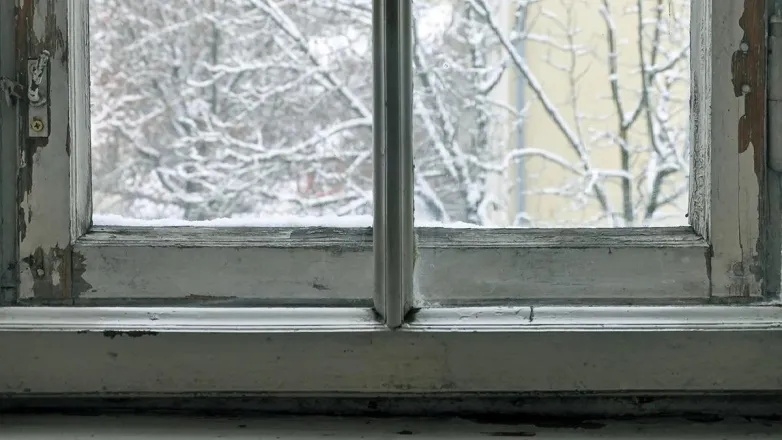
There's an uncomfortable irony playing out in homes across Pennsylvania. Homeowners invest thousands of dollars in rooftop solar panels, eager to generate clean energy and slash their utility bills. Meanwhile, those same homes hemorrhage heat through outdated windows every winter—and leak cool air every summer. The math doesn't add up.
Before you start generating energy, it makes sense to stop wasting it. For many Pennsylvania homeowners considering solar, the smarter first investment might be sitting right in front of them: their windows.
The Hidden Energy Drain in Your Walls
Windows are one of the weakest links in your home's thermal envelope. According to the U.S. Department of Energy, heat gain and loss through windows account for 25 to 30 percent of residential heating and cooling energy use. In older homes with single-pane windows—still common throughout Pennsylvania's historic towns and rural communities—that number can climb even higher.
Pennsylvania's climate makes this problem particularly acute. Winters bring extended stretches of subfreezing temperatures, while summers deliver humid heat that challenges any cooling system. Your windows face this assault from both directions, all year long.
The culprits aren't always obvious. A window might look perfectly fine while silently draining your energy budget. Failed seals in double-pane windows allow the insulating gas to escape, dramatically reducing their effectiveness. Aging frames warp and shrink, creating gaps that let conditioned air slip away. Even windows that were state-of-the-art twenty years ago can't match the thermal performance of modern designs.
Recognizing the Warning Signs
Your windows often announce their inefficiency if you know how to listen. Start with the simple touch test during cold weather. Place your hand near the glass on a winter day. If you feel a distinct chill radiating inward—even with the window closed and locked—you're experiencing thermal transfer that's costing you money.
Condensation between panes of double-glazed windows signals seal failure. That foggy appearance isn't just an aesthetic issue; it means the insulating gas has escaped and the window is performing little better than a single pane. Once seals fail, there's no repair—only replacement restores the window's efficiency.
Drafts around frames indicate air infiltration. Hold a lit candle or incense stick near window edges on a windy day. Flickering or smoke movement reveals gaps that are letting conditioned air escape and outside air enter. These leaks force your HVAC system to work harder, driving up costs regardless of how efficiently it operates.
Finally, examine your energy bills. Unusually high heating costs in winter or cooling costs in summer—especially if they've crept upward over the years—often point to declining window performance. The incremental nature of this degradation makes it easy to miss until the numbers become impossible to ignore.
Putting Numbers to the Problem
The average Pennsylvania household spends roughly $2,000 to $2,500 annually on energy. If windows account for 25 percent of heating and cooling losses—a conservative estimate for older homes—that translates to $500 to $625 per year literally escaping through the glass.
Over a decade, that's $5,000 to $6,000 in preventable energy waste. Over the typical 20 to 30-year lifespan of quality replacement windows, the cumulative cost of inaction grows substantially larger—easily exceeding the investment required to solve the problem.
These calculations become even more compelling when you factor in energy price volatility. Natural gas and electricity rates have shown consistent upward trends, punctuated by occasional sharp spikes. Windows installed today will provide insulation against both thermal loss and economic uncertainty for decades to come.
Why Solar Homeowners Should Care Most
If you're considering solar panels—or already have them—window efficiency matters more than you might realize. Solar installations are sized based on your home's energy consumption. A leaky, inefficient home requires a larger, more expensive solar array to achieve the same results as a tight, well-insulated one.
Think of it this way: every kilowatt-hour that escapes through your windows is a kilowatt-hour your solar panels must replace. Reducing demand before adding generation means you can install a smaller system, lowering both upfront costs and payback periods. The return on investment improves dramatically when your panels aren't working overtime to compensate for building envelope failures.
There's also the satisfaction factor. Nothing undermines the appeal of clean energy quite like watching it dissipate through inefficient windows. Addressing the envelope first ensures that the power you generate actually serves your household rather than heating the outdoors.
Modern Window Technology Explained
Today's energy-efficient windows bear little resemblance to their predecessors. Understanding the technology helps explain why modern replacements outperform older models by such wide margins.
Low-emissivity (Low-E) coatings are microscopic metallic layers applied to glass surfaces. These coatings reflect infrared light—the wavelength that carries heat—while allowing visible light to pass through. In winter, Low-E coatings keep radiant heat inside your home. In summer, they reflect solar heat back outside. The result is improved comfort year-round with lower energy consumption.
Gas fills between panes provide additional insulation. Argon, the most common choice, is denser than air and reduces convective heat transfer within the window cavity. Krypton, though more expensive, offers even better performance for applications requiring maximum efficiency in minimal space.
Frame materials have evolved significantly. Vinyl frames offer excellent insulation at moderate cost. Fiberglass provides superior strength and dimensional stability. Composite materials combine the best properties of multiple options. Wood, still prized for its aesthetic qualities, now comes with thermal breaks and exterior cladding that dramatically improve durability and performance.
When shopping for windows, two metrics matter most. U-factor measures how well a window prevents heat from escaping; lower numbers indicate better insulation. Solar Heat Gain Coefficient (SHGC) measures how much solar radiation passes through the glass; the ideal value depends on your climate and orientation. For Pennsylvania's heating-dominated climate, prioritizing low U-factor generally yields the greatest energy savings.
The Right Sequence for Energy Upgrades
Energy efficiency follows a logical sequence, and skipping steps costs money. The building envelope—walls, roof, windows, and doors—should be addressed before adding generation capacity. This principle applies whether you're planning solar panels, a geothermal system, or simply trying to reduce your carbon footprint.
Window replacement should be evaluated as part of any comprehensive energy strategy. Pennsylvania homeowners looking to upgrade their windows can work with experienced contractors like American Remodeling to assess their current situation and explore options that fit their home and budget. Addressing windows alongside other envelope improvements creates compounding benefits. Tighter windows reduce the load on your HVAC system, which extends equipment life and delays costly replacements. Lower overall demand means smaller solar installations can meet a larger percentage of your needs.
Pennsylvania homeowners may also benefit from available incentives. Federal tax credits for energy-efficient home improvements can offset a portion of window replacement costs. Some utility companies offer rebates for qualifying upgrades. These programs change periodically, so checking current offerings before starting a project is worthwhile.
Making the Decision
Not every home needs immediate window replacement. If your windows are less than 15 years old, properly sealed, and show no signs of failure, other improvements might offer better returns. Attic insulation, air sealing, and HVAC upgrades all compete for the same energy-efficiency dollars.
However, if your windows exhibit the warning signs described earlier—drafts, condensation, cold spots, or visibly deteriorating frames—the replacement case strengthens considerably. The combination of energy savings, improved comfort, reduced noise, and enhanced curb appeal makes window replacement one of the most rewarding home improvements available.
For solar-conscious homeowners, the calculation is especially clear. Every dollar spent reducing energy waste is a dollar that doesn't need to be spent generating replacement power. A tight, efficient envelope transforms solar from a partial solution into a complete one.
Conclusion
Smart solar investment starts with a smart home. Pennsylvania homeowners who address their windows before installing panels position themselves for maximum return on both their investment and the panels. The energy you save is every bit as valuable as the energy you generate—and considerably easier to capture.
If your windows are due for evaluation, taking that step now ensures that when you do go solar, every kilowatt your panels produce actually serves your household. That's efficiency worth investing in.
Also read
- How Do You Choose Durable Wiring for Rooftop Solar Systems in Harsh Climates?
- Innovative Advanced Energy Storage Solutions for Modern Power Systems
- Home EV Charging Stations in Ireland: How Much Can You Really Save?
- Automated File Conversion Services: Transform Documents Without Manual Work
- The Rapid Evolution of Direct Current Fast Charging for Electric Vehicle Fleets