EBRD Weighs Loan for Egypt Solar-Battery Park
- EBRD eyes financing for a 200‑MW solar-plus-storage in Egypt, pairing grid-forming batteries to time-shift power, shave peaks and stabilize frequency—unlocking hard-currency offtake and bankable, evening-proof generation.
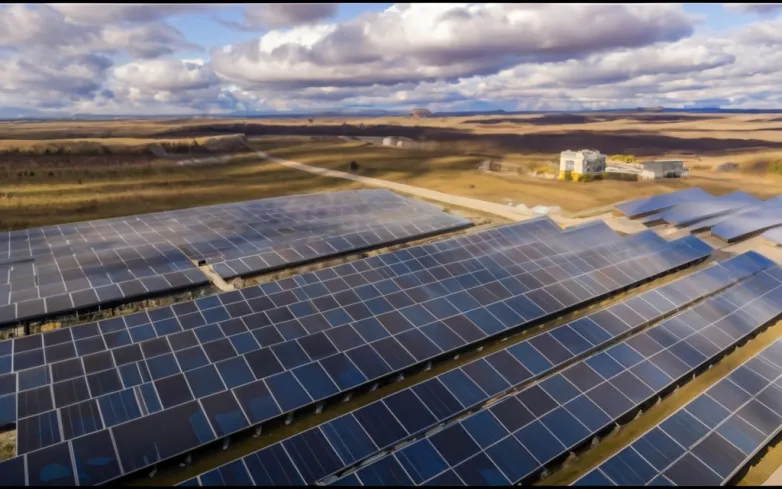
EBRD is weighing a loan for a 200‑MW solar park in Egypt with a multi‑hour battery, financing EPC, grid tie‑in and the battery’s first charge, with the sponsor retaining ownership. The hybrid aims to time‑shift output, shave peaks, and provide fast frequency response, synthetic inertia and voltage support using grid‑forming inverters and an energy management system.
Multilateral backing could extend tenors, crowd in lenders and secure hard‑currency offtake, meeting grid code ride‑through/reactive rules. The plant will use bifacial modules on single‑axis trackers, string inverters, SCADA and drone thermography; a 2–4‑hour, containerized battery sited at the substation. The project targets firmer evening power and a replicable template for Egypt.
How will EBRD-backed 200 MW solar-plus-storage in Egypt enhance grid stability and financing?
Grid stability
- Delivers fast active-power support to arrest frequency drops and contain overshoots after trips or cloud transients
- Smooths solar ramps and limits variability seen by the transmission operator, reducing wear on thermal plants
- Supplies reactive power for voltage regulation at weak nodes and during contingencies, cutting the risk of undervoltage and flicker
- Provides fault ride‑through and black‑start capability to speed restoration after outages
- Shifts midday surplus to evening peaks, lowering curtailment and relieving congestion on sun‑soaked corridors
- Reduces system reliance on spinning reserves, improving reserve margins and lowering ancillary‑service costs
- Enhances reliability metrics (fewer interruptions and faster recovery) in regions with rapidly growing demand
Financing
- Lowers cost of capital through longer tenors and blended structures, improving project DSCR and tariff competitiveness
- Crowds in commercial lenders via A/B‑loan participation and risk‑sharing, scaling ticket sizes without over‑reliance on any single bank
- Mitigates sovereign, FX, and offtaker risks with robust contractual frameworks and access to hedging and liquidity backstops
- De‑risks technology with stringent procurement, O&M, and ESG standards, easing credit approvals and reducing contingencies
- Supports a replicable template for solar‑storage in Egypt, shortening diligence cycles and accelerating future financings
- Aligns with national decarbonization and security‑of‑supply goals, unlocking policy support and potential incentives
Also read