EBRD Weighs €40m Loan for Tunisia’s Firmed Solar
- Tunisia powers ahead: STEG eyes €40m EBRD-backed solar-plus-storage to firm the grid, slash fuel imports, shift sun to peaks, and unlock bankable, reliable clean energy.
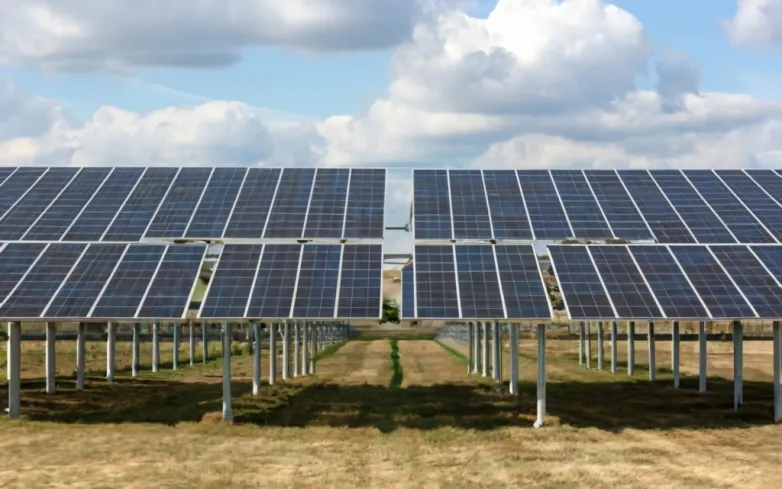
Tunisia’s state utility STEG seeks a EUR 40 million EBRD loan to build a solar park with battery storage, aiming to bolster grid reliability and cut exposure to imported fuels. The move signals North Africa’s shift toward financing firmed renewables rather than standalone photovoltaic projects.
Storage would shift midday solar into evening peaks and deliver fast-response services for frequency and voltage support, reducing costly peaking generation and outages. EBRD participation typically enhances bankability via structured procurement, safeguards, and longer tenors. Expected specs: high-efficiency modules, string inverters, grid-code plant controller, and containerized liquid-cooled batteries. Next steps: loan approval, tendering, EPC selection.
What benefits, specs, and next steps define STEG’s EBRD-backed solar-plus-storage project?
Benefits
- Delivers firm, dispatchable clean power to cover evening peaks and stabilize tariffs
- Cuts operating costs by reducing reliance on fast-start thermal units and reserves
- Improves grid stability via fast frequency response, voltage control, and ramp-rate smoothing
- Lowers curtailment of daytime solar and enables higher penetration of variable renewables
- Enhances resilience during heatwaves and contingencies (inertia support, frequency nadir arrest)
- Creates skilled local jobs in construction, operations, and battery services
- Advances national climate targets and strengthens utility credit profile through predictable output
- Builds local supply-chain capacity (O&M, testing, fiber/SCADA, fire safety services)
- Incorporates end-of-life pathways for panels and batteries to reduce environmental liabilities
Technical specs (indicative)
- PV: bifacial mono modules (TOPCon/HJT class), single-axis trackers, 1,500 V DC architecture, string inverters with reactive power and low-voltage ride-through, MV skids at 30–33 kV
- BESS: AC-coupled, LFP chemistry, liquid-cooled containers, 2–4 h duration initially with augmentation plan to maintain capacity over life
- Power electronics: grid-forming capable PCS for synthetic inertia and black-start at feeder level; plant controller coordinating PV/BESS for AGC and AVR
- Controls/SCADA: centralized EMS with solar and load forecasting, constraint-aware dispatch, IEC 61850 integration, cybersecurity aligned to ISO 27001/IEC 62443
- Safety/compliance: UL 9540/9540A-tested systems, NFPA 855-informed layout, gas/fire detection, aerosol or water-mist suppression, blast relief, IEC 62933 compliance
- Grid interface: HV step-up to existing substation, protection relays with staged settings, PSS/E and PSCAD models for compliance testing, revenue-grade metering (IEC 62053)
- O&M: dry robotic cleaning for soiling, IV-curve tracing and aerial thermography, 25-year PV and 10–15-year battery warranties with LTSA, spare parts and augmentation stock
Next steps
- Complete environmental and social impact assessment and public consultations; finalize land rights and wayleaves
- Grid impact studies and interconnection agreement; protection coordination and SCADA gateway design
- Permitting (construction, environmental, transport, fire safety) and archaeological/cultural clearances if required
- Tender and award EPC and LTSA/O&M; appoint owner’s engineer and independent engineer
- Lock supply chain for modules, inverters, batteries, and transformers; logistics and customs planning
- Execute bankable contracts with performance guarantees, availability KPIs, and capacity test protocols
- Financial close with hedging for FX/interest; insurance placement (construction all-risk, DSU, operational)
- Workforce training, HSE plans, and emergency response drills with local fire authorities
- Factory and site acceptance tests; grid-code compliance and model validation; phased energization and reliability run
- Establish monitoring, reporting, and end-of-life recycling/reuse programs for batteries and modules
Also read