EBRD Eyes $80m Loan for Scatec Solar-Plus-Storage in Egypt
Apr 8, 2026 10:05 AM ET
- EBRD is reviewing an $80M loan for Scatec’s Egypt solar-plus-storage project, boosting bankability with “firmed renewables” to cut peak power reliance and deliver more reliable energy.
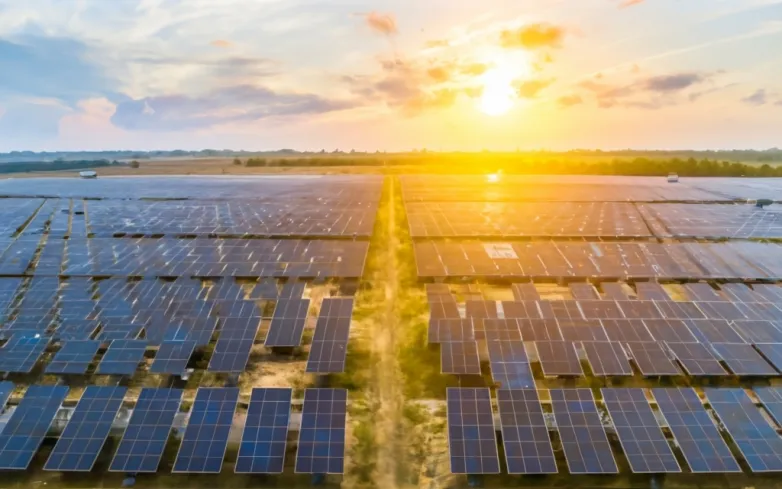
The European Bank for Reconstruction and Development is reviewing an $80 million loan to support Scatec’s solar-plus-storage project in Egypt. The move reflects a broader shift toward “firmed renewables,” where PV generation is paired with batteries to improve reliability and project bankability.
EBRD involvement could reduce the cost of capital and strengthen delivery through structured procurement and environmental and social safeguards. Storage is expected to help shift solar output toward evening demand, provide fast grid response, and cut reliance on thermal peaker plants as renewables expand. Next steps include EBRD approval, finalizing tendering or EPC selection, and completing offtake and grid interconnection arrangements.
How will EBRD’s $80m loan advance Scatec’s Egypt firmed solar-plus-storage project?
- The $80 million loan would provide long-tenor, lower-cost financing that can improve project economics versus relying only on higher-cost commercial debt, supporting a financing structure that lenders are more comfortable with.
- By backing a “firmed” solar-plus-storage design, the funding helps Scatec demonstrate measurable improvements in reliability—making the project easier to underwrite and thereby strengthening bankability for both sponsors and future investors.
- Batteries would be financed alongside the solar assets, enabling Scatec to deliver a contractable output profile rather than variable PV generation alone—typically aligning better with off-take requirements tied to capacity availability or dispatch.
- Storage would increase dispatch flexibility by shifting some energy from peak solar hours toward early evening and other system-demand periods, improving revenue predictability and reducing earnings volatility for the plant.
- The firmed output would be expected to support grid stability by providing rapid response capabilities, which can help manage fluctuations as Egypt’s power system integrates more variable renewables.
- The project structure often allows EBRD to require stronger procurement and contracting practices (for example, competitive tendering and clear performance milestones), which can reduce construction and technology risk and improve cost control.
- EBRD financing typically includes environmental and social performance conditions; for Scatec this can translate into improved permitting readiness, stakeholder engagement, and risk-management systems—elements that can prevent schedule delays.
- EBRD participation can also reduce counterparty and transition risk perceived by other lenders by bringing additional due diligence, oversight, and reporting standards tied to the project’s delivery plan.
- The bank’s role can accelerate “project maturity” steps—such as clarifying grid-related technical requirements, confirming interconnection scopes, and finalizing key commercial arrangements—so construction can proceed once EBRD signs off.
- Improved bankability from storage-backed dispatch may also help Scatec negotiate off-take terms (including deliverability/availability clauses) and potentially support more bank-friendly grid-connection and performance guarantees.
- After initial review, EBRD approval would be followed by closing and execution steps—such as finalizing engineering procurement and construction (EPC) selection or tendering, locking in equipment supply, and completing the remaining off-take and grid interconnection documentation required to reach financial close.
Also read