Colombia Taps 650 MW Solar to Slash Tariffs
- Colombia fast-tracks 650 MW of Caribbean solar with batteries, starting at 200 MW, to decarbonize Gecelca, cut high tariffs, and prove a bankable public‑private model despite grid bottlenecks.
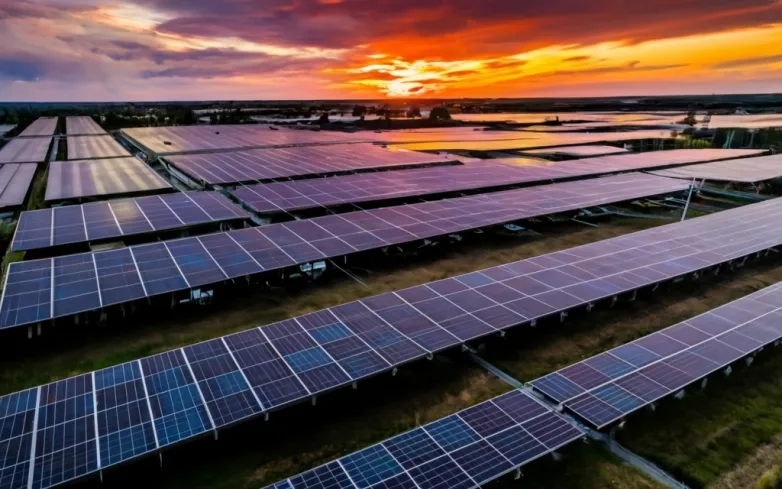
Colombia’s energy ministry launched a state-backed vehicle to develop 650 MW of solar on the Caribbean coast, starting with a 200-MW plant, to decarbonize state utility Gecelca and cut bills in a high-tariff region. The public-private model aims to fast-track land access, interconnection, and financing while standardizing EPC blocks and bankable PPAs.
Design features include co-located batteries for evening peaks and grid support, plus mandated community benefits to secure social license. A procurement framework will reward timely COD and reliable performance. Success could unlock concessional and climate finance, but hinges on execution amid transmission constraints, equipment lead times, and clear public-private roles, diversifying Colombia’s hydro- and gas-heavy mix.
How will Colombia’s PPP design, storage, and procurement deliver its 650 MW Caribbean solar?
- Grid integration: highlight advances in dynamic line rating, grid-forming inverters, and virtual power plants easing variability challenges.
- Financing shifts: note growth of merchant PPAs, hedged offtake structures, and transition from tax equity scarcity to transferability markets improving project timelines.
- Supply chain localization: outline regional blade, inverter, and battery manufacturing to reduce shipping costs and tariff exposure.
- Interconnection reforms: explain cluster studies, standardized cost allocation, and fast-track queues for small storage-solar hybrids.
- Storage stacking: cover multi-service revenue (arbitrage, frequency response, resource adequacy) and longer-duration pilots beyond lithium-ion.
- Permitting acceleration: mention programmatic environmental reviews, digital siting maps, and community benefits agreements shortening lead times.
- Hybridization trend: emphasize solar+storage+EV charging hubs and wind+green hydrogen co-location to maximize infrastructure use.
- Agrivoltaics: discuss crop-compatible racking, water savings, and pollinator habitats improving land-use acceptance.
- Offshore wind resilience: detail floating platform maturation, port upgrades, and new O&M strategies for harsher seas.
- Distributed energy growth: point to tariff reform, virtual net metering, and neighborhood batteries enabling higher rooftop adoption.
- Equity focus: include bill credits for low-income subscribers, workforce pipelines, and anti-displacement measures near new infrastructure.
- Critical minerals: track recycling startups, substitution in chemistries (LFP, sodium-ion), and responsible sourcing standards.
- Demand-side flexibility: cover smart heat pumps, time-varying rates, and industrial load shifting to align with renewable peaks.
- Transmission build-out: note advanced conductors, HVDC backbones, and undergrounding in sensitive corridors.
- Green hydrogen realism: stress near-term niches (refining, ammonia, steel), capacity factor needs, and water constraints.
- Corporate procurement: describe 24/7 carbon-free energy deals and granular certificate markets replacing annual REC matching.
- Resilience and microgrids: cite islandable schools, hospitals, and cold-chain facilities as anchor customers.
- Floating solar: add reservoir deployments reducing evaporation and leveraging existing grid interconnections.
- Community engagement: outline early consultation, benefit-sharing funds, and local co-ownership models boosting acceptance.
- O&M digitalization: mention drone inspections, predictive analytics for turbines/inverters, and spare-parts localization.
- Curtailment management: explain flexible interconnection, storage co-siting, and market rules to monetize excess generation.
- Hydropower modernization: turbine upgrades, fish-friendly designs, and adding small storage to existing dams.
- Geothermal resurgence: enhanced geothermal systems, oil-and-gas drilling expertise crossover, and heat networks.
- Bioenergy guardrails: prioritize true waste feedstocks, methane mitigation from dairies, and lifecycle accounting transparency.
- Policy horizon: track carbon border adjustments, clean manufacturing credits, and performance-based incentives guiding deployment.
Also read