China’s October Solar Surge Signals Renewed Momentum
- China’s solar surge: 12.6 GW in October, YTD near 253 GW, annual installs eye 300 GW—tightening global supply and cementing China as the anchor of renewable growth.
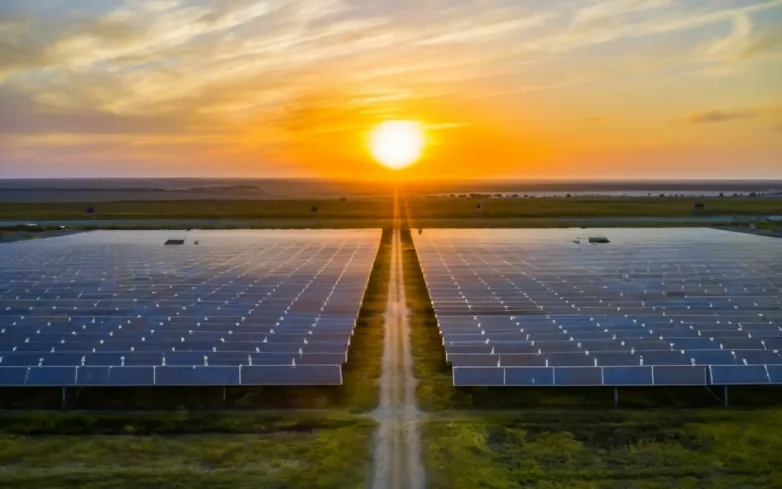
China installed 12.6 GW of solar in October, up 30% from September, lifting year-to-date additions to nearly 253 GW. The rebound follows earlier policy adjustments that slowed approvals and financing, with developers now adapting to new pricing mechanisms and accelerating completions ahead of regulatory shifts expected in early 2026. Annual installs could near 300 GW.
Analysts say fundamentals remain strong: robust manufacturing capacity, broad provincial demand, and expanding industrial and commercial rooftops. China’s acceleration is tightening global module inventories and may firm polysilicon and wafer prices, making its installation data a key market signal. Despite policy turbulence, China remains the anchor of global renewable growth.
What does China’s October solar surge signal for 2025 installations and module prices?
- Signals higher 2025 baseline: October’s rebound suggests developers can work under new rules, pointing to another 250–300 GW of domestic additions next year if grid and financing hold.
- Front‑loaded H1, strong Q3: Expect accelerated build through June on carryover projects and procurement already underway, a midsummer pause for grid hookups, then another push before winter.
- Rooftop and distributed remain the swing factor: Industrial/commercial rooftops and county‑level programs likely drive over half of additions, buffering any utility‑scale permitting hiccups.
- Grid integration will be the constraint, not factories: Curtailment risks in the north and west shift new capacity toward load centers and force more storage co‑builds, nudging LCOE and timelines.
- Storage attachment rises: More 2–4 hour storage paired with new plants in 2025, especially in provinces tightening peak export limits; this supports installation volumes but raises capex per watt.
- Module price floor forming: Rapid domestic absorption is drawing down inventories, likely putting a floor under modules in Q1–Q2 2025 after 2024’s steep declines.
- Polysilicon/wafer prices stabilize: Utilization rates rise at top‑tier producers, trimming oversupply and reducing the odds of another sharp leg down in upstream pricing.
- ASPs: Flat to slightly higher in early 2025, then gentle easing: Expect a modest bounce or stabilization in Q1–Q2, with gradual price softening in H2 as new n‑type capacity and seasonal demand lull return.
- Premiums for high‑efficiency modules persist: TOPCon and back‑contact modules keep a small but durable price premium as developers chase yield and BOS savings under tighter grid constraints.
- Export spillover tightens global markets: More domestic pull means fewer bargain‑priced exports in early 2025, firming prices in Asia, MENA, and parts of Europe until mid‑year.
- Contracting shifts to longer tenors: Developers favor quarterly or semiannual supply deals to hedge price rebounds; spot discounts narrow.
- Consolidation continues: Smaller cell/module makers face margin pressure and potential exits; top players gain share, supporting price discipline.
- Capex moderation: Manufacturers slow greenfield expansions but debottleneck n‑type lines, keeping technology mix shifting without flooding the market.
- Tender behavior: Chinese EPCs bid with tighter module margins but rely on BOS and financing advantages; price‑only tenders recede as quality and delivery risk gain weight.
- Shipping/logistics: Fewer ultra‑low‑cost ocean rates than in 2024; slight freight uptick supports module floor prices globally.
- Policy watch: Any new provincial curtailment rules or storage mandates in H1 could reallocate demand regionally without reducing national totals; grid investment pace is pivotal.
- International trade risks: Ongoing tariff and trade investigations (US/EU/India) could keep regional price spreads wide, but China’s strong domestic pull limits global price crashes.
- Net impact: 2025 installations remain very high with a more balanced quarterly cadence; module prices likely find a near‑term floor, with only mild declines resuming late in the year.
Also read