China Flags Polysilicon Cartel Risks; Stocks Drop
Jan 9, 2026 10:15 AM ET
- China flags polysilicon collusion as stocks sink; prices jump despite output slump. Consolidation plan under fire; tighter standards loom while Longi pivots to silver, Jinko lands Australian deal.
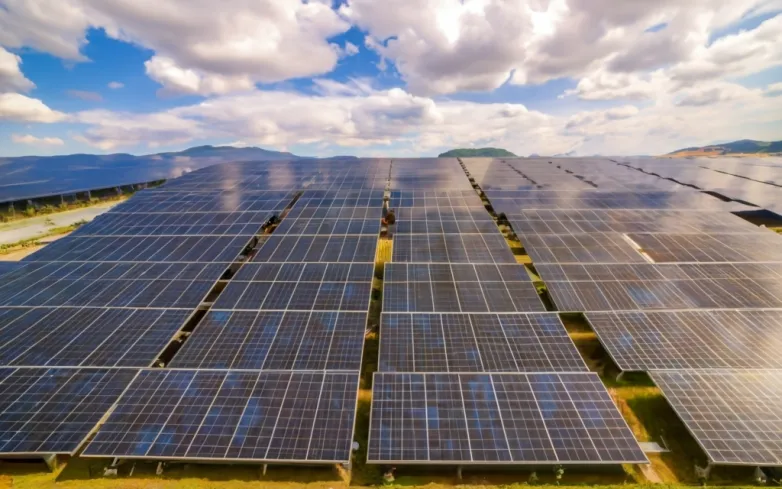
China’s SAMR warned six polysilicon producers—including Tongwei and GCL—against coordinating capacity, sales and prices amid consolidation. Tongwei fell >3% in Shanghai; GCL >4% in Hong Kong. A consolidation fund launched in December to buy outdated capacity is under scrutiny; BofA called the plan too aggressive as the sector endures losses.
Polysilicon prices rose 9.8%-10.5% last week; full-year output 1.32 million tons, -28% y/y; January seen 106,000 tons, -5% m/m. Wafer prices +8.4%-9.2%; December wafer output 47.7 GW, -14.2% m/m. Analysts see profit redistribution, tighter standards and subsidy phaseouts. Longi to swap base metals for silver; Jinko won 20.56-MW Australian order.
How will SAMR’s antitrust warning reshape China’s polysilicon consolidation and pricing?
- Slows headline mergers and “capacity buyouts,” pushing firms toward organic exits (bankruptcies, mothballing) rather than coordinated retirements.
- Forces consolidation to be market-driven: lowest-cost, highest-quality producers gain share as inefficient plants bleed cash without collective lifelines.
- Narrows the upside of price rallies: tighter scrutiny curbs tacit supply discipline, keeping near-term polysilicon prices more volatile but capped on spikes.
- Extends the trough for marginal producers: without coordinated curtailments, oversupply lingers longer, delaying a clean price recovery.
- Shifts pricing toward transparent benchmarks and formula-based contracts; fewer off-market “gentlemen’s agreements” on floor prices.
- Raises legal/compliance costs: companies build antitrust firewalls, avoid data-sharing, and keep M&A talks tightly lawyered, slowing deal timelines.
- Pressures “consolidation funds” to adopt arm’s-length, auction-like processes with independent valuation, or pivot to rehabilitation rather than capacity removal.
- Encourages differentiated competition on purity, energy intensity, and reliability to win long-term offtakes, not on collective output discipline.
- Accelerates exit of older, high-cost Siemens lines while permitting efficient FBR/modified Siemens to run; quality-adjusted spreads widen.
- Increases inventory swings: firms won’t coordinate drawdowns, so destocking/restocking becomes lumpier, amplifying short-term price moves.
- Pushes banks and local governments to demand viability without cartel-like assurances, tightening credit for speculative expansions.
- Spurs downstream contract redesign: wafer/cell makers seek indexation, shorter tenors, and flex volumes to hedge against price air-pockets.
- Dampens regional protectionism: local subsidies tied to “orderly consolidation” get reworked to avoid signaling coordinated supply management.
- Raises enforcement risk on public signaling: earnings calls, industry forums, and messaging about “discipline” get sanitized, reducing tacit cues.
- Nudges exports toward more market-reflective pricing; lowers risk of foreign anti-dumping probes triggered by perceived concerted action.
- May trigger selective, case-by-case asset transfers via insolvency courts rather than industry-led capacity pooling, slowing the pace but improving price discovery.
- Supports a lower-for-longer cost curve reset: survivors invest in power cost optimization and metallurgical-grade inputs; losers exit without price support.
- Benefits tier-1 buyers with balance sheets: they lock in favorable, flexible supply while smaller buyers face intermittent tightness during volatility spikes.
- Medium term, consolidation still proceeds—but as a messy shakeout with episodic price rebounds, not a smooth, policy-orchestrated glide.
Also read