China Bets on Egypt’s Solar and Battery Hub
- Chinese-backed solar and battery plants in Egypt target MENA–Europe exports, riding port logistics and incentives to localize supply chains, train talent, and spark EV, storage, and green hydrogen growth.
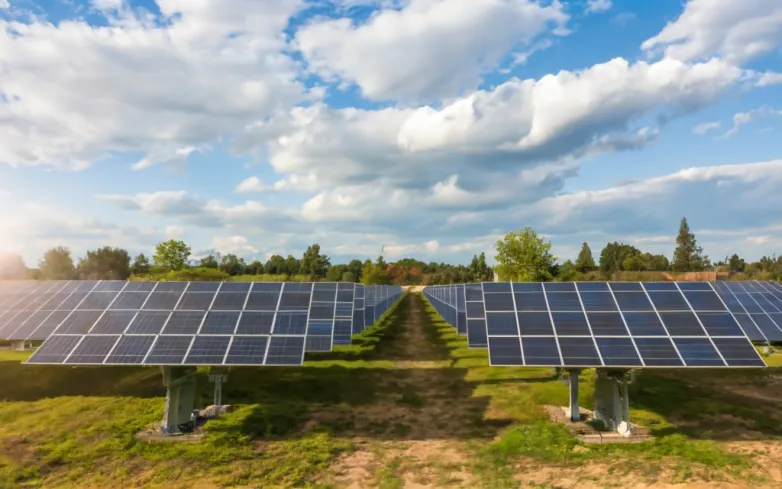
A Chinese investor consortium will build solar-component and battery-cell factories in Egypt, aiming to serve domestic demand and export to North Africa, the Middle East and Europe. The plan advances Cairo’s localization drive by bringing cell fabrication and pack assembly onshore to cut costs and timelines, leveraging Red Sea and Mediterranean ports. Success hinges on policy support—industrial zones, customs facilitation, green-industry incentives—plus reliable grid access and competitive power tariffs. Initial output targets utility-scale components and batteries for grid-support and C&I uses.
Training partnerships will develop operators and managers, seeding an O&M ecosystem. Hitting milestones would embed Egypt in diversified, traceable clean-tech supply chains, and catalyze EV assembly, stationary storage and green hydrogen—shifting the country from renewables market to export-oriented manufacturing base.
How will Egypt leverage ports and incentives to build traceable clean-tech supply chains?
- Anchor manufacturing in the Suez Canal Economic Zone, Ain Sokhna, East Port Said and Alexandria/Damietta, using ready-to-build plots, utilities, and direct access to Red Sea–Mediterranean routes for just-in-time import of inputs and short-transit exports to EU, MENA and East Africa.
- Deploy bonded warehouses and free-zone regimes to stage cells, casings, foils and chemicals under duty suspension, enabling rapid consolidation and value-added processing before re-export.
- Use Egypt’s single-window customs (NAFEZA) with Advance Cargo Information and e-bills of lading (CargoX) to create tamper-evident audit trails from port arrival to factory gate, feeding buyer traceability dashboards.
- Offer green-industry packages in SCZone: multi-year corporate tax reductions, 0–5% customs on capital equipment, VAT rebates on exports, accelerated depreciation, reduced land-lease rates, and fast-track permitting tied to environmental performance.
- Link incentives to traceability deliverables: require digital product passports for batteries and solar components, lifecycle carbon disclosure (ISO 14067), and chain-of-custody audits (OECD minerals guidance, RMI/IRMA/ASI where relevant).
- Power port-adjacent clusters with dedicated renewable PPAs, on-site solar/wind and guarantees of origin; publish plant-level emissions factors to meet EU battery and supply-chain disclosure rules.
- Establish Authorized Economic Operator and “green lanes” for certified exporters, cutting port dwell times; expand pre-clearance and risk-based inspections for clean-tech consignments.
- Build export corridors from Sokhna/Port Said to EU hubs (e.g., Piraeus, Valencia, Marseille) with fixed-day sailings, cold-ironing/shore power and emerging green bunkering to lower logistics emissions reported in customer footprints.
- Create metrology and certification hubs at ports for IEC/UL testing of modules, cells and packs, enabling batch-level QC stamps that tie into digital passports and reduce rejections at destination.
- Implement blockchain-backed serialisation for wafers, cells, modules and battery packs; embed QR/NFC tags linking to provenance, labor audits and carbon data to satisfy buyer due diligence.
- Provide workforce and supplier-upgrade grants tied to SA8000/ISO 45001 labor and safety compliance, reducing social risk flags that can block entry into EU/US procurement.
- Offer export working-capital lines and FX liquidity windows for clean-tech exporters; pair with political risk cover and green guarantees from DFIs/ECAs to de-risk global offtake contracts.
- Promote rules-of-origin pathways under Egypt–EU and regional trade agreements, documenting regional value content so products qualify for preferential tariffs.
- Integrate TIR/roll-on roll-off links from ports to Gulf/North African markets, enabling sealed, trackable overland moves for time-sensitive components and after-sales parts.
- Require upstream materials mapping (polysilicon, cathode metals, aluminum) with supplier scorecards; preference contracts that meet recycled-content and low-carbon thresholds aligned with EU battery regulation timelines.
- Set up end-of-life take-back logistics via ports, with licensed recyclers in or near SCZone, closing material loops and feeding recycled content into new production to boost passport scores.
Also read