Benex Starts 4.2-MWdc Rooftop Solar in Japan
- Benex’s 4.2‑MW rooftop solar in Japan boosts distributed generation—cutting grid reliance, enhancing performance with monitoring and fast fault response, and easing feeder peaks while meeting strict safety standards.
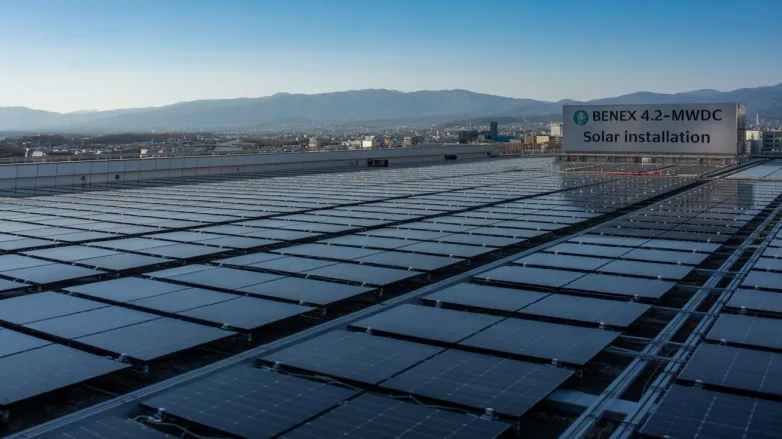
Benex has commissioned a 4.2-MWdc rooftop solar installation in Japan, expanding the country’s distributed generation footprint alongside continued momentum in utility-scale projects. The system is designed to supply local demand and cut reliance on the grid.
The rooftop project targets maximum usable surface area while meeting Japan’s structural and safety requirements, including wind loading and fire-access provisions, and uses inverter and monitoring setups for reliability. Benex said operational value will come from performance management such as continuous monitoring, rapid fault isolation, and preventive maintenance to sustain output during Japan’s humid summer conditions. Distributed PV can also reduce network losses and help ease feeder peak demand.
How will Benex’s 4.2-MW rooftop PV in Japan cut grid reliance?
- By generating power at or near where it’s consumed, Benex’s 4.2-MWdc rooftop PV reduces the amount of electricity residents and businesses must draw from the grid during daylight hours.
- Local self-consumption helps “flatten” demand on nearby distribution lines, lowering stress during daytime peaks that often drive higher grid dispatch.
- Because rooftop generation offsets electricity that would otherwise be transmitted from distant plants, it can cut technical network losses in distribution, improving the effective use of each kilowatt-hour produced.
- The system’s inverter-based conversion and monitoring allow operators to track output in real time, which supports steadier generation and improves how effectively rooftop PV can replace grid electricity.
- Rapid fault isolation and preventive maintenance reduce downtime, keeping the site online so the grid-relief benefit persists throughout the year.
- The project’s design for wind loading and required fire-access provisions helps maintain safe, reliable operation—supporting consistent generation rather than intermittent curtailment due to safety or structural concerns.
- In humid summer conditions, performance management that addresses heat and moisture effects helps sustain output, meaning the rooftop PV continues to offset grid reliance even when demand is typically high.
- On-site generation can reduce the need for grid utilities to ramp generation to meet short-term demand swings, particularly when PV output aligns with local consumption patterns.
- Increased distributed generation diversity (many smaller systems across the network) can improve overall resilience and reduce the severity of disruptions when centralized assets are constrained.
- Over time, added distributed PV capacity like this can ease feeder capacity constraints, delaying or reducing upgrades needed to accommodate growing electricity demand.
Also read