Australia shows low interest in e-mobility
- According to the latest survey, Australia is the country least interested in e-vehicles because of underdeveloped recharging network, short drive distance and expensiveness.
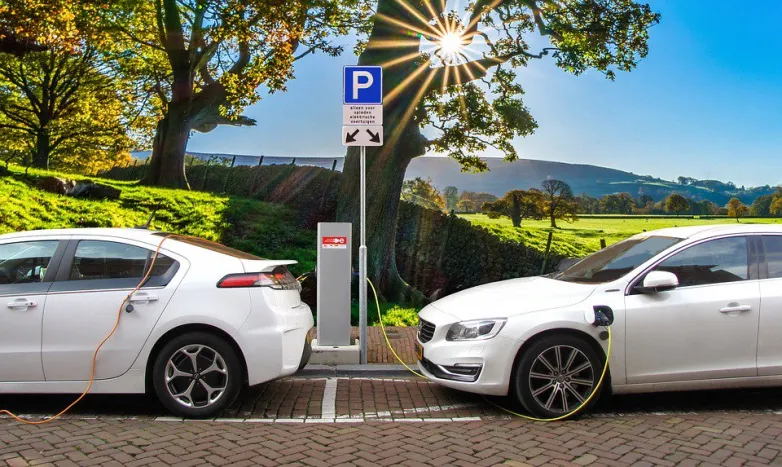
The recent social survey has shown that interest in e-mobility in Australia is much lower compared to other countries. Only 3 percent of inhabitants own either a hybrid or electronic car. About one-third of the locals have plans to start using e-vehicles, in contrast to almost half of the population interested in EV worldwide.
The result of the survey is not surprising. A huge and isolated land, Australia has always been slow to adopt changes. Anyway, global changes do reach the country sooner or later, so this is likely to happen to transport modification, too.
Among the key discouragements, the interviewees have named shortage of charge points, short driving distance and high costs, associated with e-mobility. But the costs are expected to decrease along with batt production efficiency growth.
Charge stations are also extending through the country. ARENA is going to support superfast recharge points by Evie Networks with 10.3m USD. So far, lack of charging sites is a major reason for another obstacle for Australian e-mobility – insufficient driving range. Today, the land’s transport network requires about 350 ECSs along highways. Even the NT intends to join the country’s efforts to shift toward electric mobility.
During 2019, a lot has been done for Australian adoption of e-mobility. Power providers introduce special off-peak tariffs to enable e-vehicle owners charge their cars at a low rate. The introduction of Model 3 by Tesla adds chances to faster transition of the country to electric vehicles.
Also read
- PGE Starts Building 400-MW Gryfino Battery in Poland With Fluence
- Western Australia Sets 75% Renewables Target for Main Grid by 2030-31
- Daqo Cuts Polysilicon Cash Cost to Record $4.23/kg as Q3 Loss Narrows
- Arevon Closes $120 Million Wells Fargo Tax Equity for Illinois Solar
- Singapore Targets 4 GWp of Solar by 2035 and 1 GWh of Storage by 2030