Australia Faces Bill Shock as Renewables Rollout Lags
- Australia risks pricier power as renewables lag. Fast‑track batteries, transmission and planning, empower homes with solar, smart tariffs and VPPs to hit 2030 targets and retire coal smoothly.
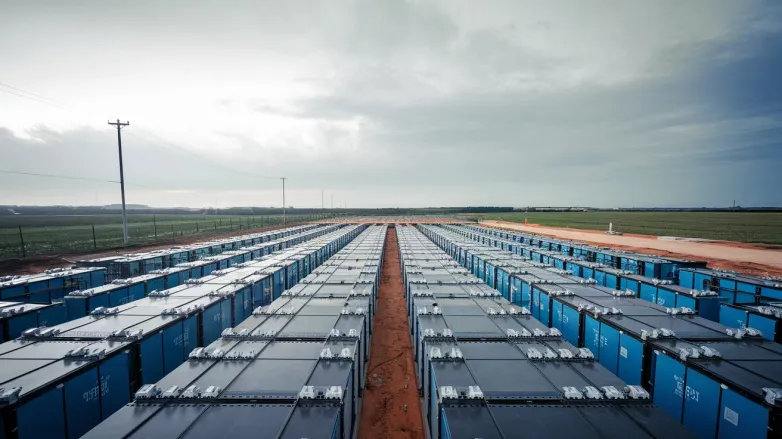
Australia’s energy regulator warns that delayed renewables, storage and transmission risk pushing household bills higher even as 2030 targets promise cheaper, cleaner power. With coal retirements looming, data-center growth, electrification and extreme weather, slow build-outs force reliance on aging thermal and diesel plants, lifting wholesale and retail prices.
AEMC urges faster planning approvals, clearer curtailment rules, and bundling two‑to‑four‑hour batteries into projects for evening peaks and frequency response. Shovel‑ready transmission needs social license, biodiversity safeguards and landowner compensation. Households can help via rooftop solar paired with batteries or smart hot water, time‑of‑use tariffs and virtual power plants. Keep climate targets; sequence connections, then capacity, then coal exits.
How can faster approvals, battery bundling, and social license prevent higher Australian electricity bills?
- Faster approvals cut financing costs
- Shorter permitting windows lower developers’ risk and interest during construction, reducing the cost per megawatt-hour that retailers pass through.
- Bringing generation and storage online before coal units retire avoids expensive emergency procurements and spot price spikes.
- Earlier grid connections reduce constraint payments and losses from congestion, stabilizing wholesale prices.
- Faster approvals avoid costly reliance on legacy plant
- Timely renewables and storage displace high‑marginal‑cost gas and diesel at peak, capping evening price surges.
- Less unplanned outage exposure from aging units means fewer scarcity events and volatility premiums in retail tariffs.
- Bundling batteries with new wind and solar lowers system costs
- Co‑located two‑to‑four‑hour storage shifts daytime output into the evening peak, trimming the most expensive half‑hour prices that drive bills.
- Shared grid connections and control systems reduce network augmentation needs and connection fees compared with stand‑alone assets.
- Batteries provide fast frequency and system‑strength services, cutting ancillary service costs that retailers recover from customers.
- Onsite storage soaks up local oversupply, reducing curtailment and improving project economics, which feeds into lower power purchase prices.
- Battery bundling increases reliability without new fuel costs
- Firming from storage allows retailers to hedge more cheaply than with gas peakers, lowering contract premiums embedded in bills.
- Grid‑forming capabilities can defer some stability equipment, moderating network charges.
- Strong social license accelerates transmission at lower risk
- Early, genuine engagement with communities and First Nations, clear benefit‑sharing, and fair land access reduce objections and delays that inflate capital costs.
- Thoughtful routing, biodiversity safeguards, and selective undergrounding where justified limit legal challenges and rework, shortening delivery and interest costs.
- Faster delivery of priority lines unlocks cheaper renewable zones sooner, replacing higher‑cost generation and reducing congestion charges on bills.
- Social license improves investor confidence
- Lower planning and legal risk shrinks required returns (WACC), enabling cheaper bids in auctions and PPAs that flow through to end‑users.
- Predictable timelines let system planners sequence connections before retirements, avoiding scarcity pricing.
- Combined impact on household bills
- Smoother supply during peaks, fewer volatility events, lower ancillary and network costs, and reduced financing risk translate into flatter wholesale prices and more competitive retail offers.
Also read