Ark Wins Federal Nod for $790m NSW Solar-Battery
- Ark Energy’s 435‑MW Richmond Valley solar-plus-storage wins EPBC approval, fast-tracking finance for firm evening power via multi-hour battery—accelerating NSW’s coal-to-renewables shift with lower interconnection risk.
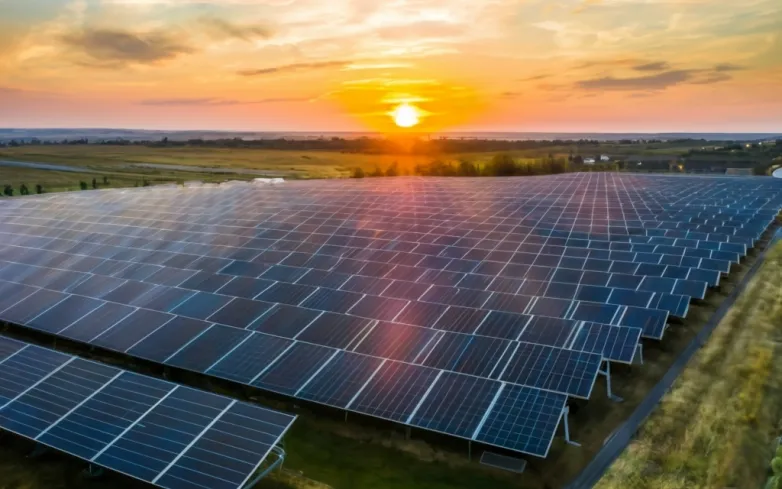
Ark Energy won federal EPBC approval for its AUD 1.2 billion (USD ~790 million) Richmond Valley solar-plus-storage project in New South Wales, two months after state consent. The plan pairs a 435‑MW solar array with a co‑located, multi‑hour battery to deliver firmed renewables into evening peaks, supporting the shift from coal.
The signoff accelerates financing and procurement, with lenders buoyed by proximity to existing transmission and lower interconnection risk. The plant is expected to use bifacial modules on single‑axis trackers, string and grid‑forming inverters meeting AEMO standards. Revenues will blend energy sales and ancillary services; construction could start next year.
What de-risking measures and revenue streams back Ark Energy’s Richmond Valley project?
De-risking measures:
- Two-layer permitting complete (state consent plus EPBC), reducing approval risk and unlocking financiers
- Proximity to existing transmission and an advanced grid-connection process (including GPS-compliant, grid‑forming inverters) to cut interconnection and curtailment risk
- Co‑located, multi‑hour BESS to shift energy into evening peaks and mitigate price/constraint risk
- Long‑term offtake mix targeted (corporate PPAs and utility hedges) to underwrite revenues beyond merchant exposure
- Potential participation in NSW Long‑Term Energy Service Agreements and/or the federal Capacity Investment Scheme for revenue certainty
- Fixed‑price, date‑certain EPC and long‑term O&M contracts to control construction and performance risk
- Portfolio/parent support from Ark Energy/Korea Zinc enabling stronger balance sheet backing and procurement leverage
- Supplier diversification and currency/commodity hedging for modules, inverters, and batteries
- Community benefit agreements and land tenure security to reduce social/license-to-operate risk
- Insurance cover for construction, delays, and performance
Revenue streams:
- Merchant energy sales into the NEM and battery arbitrage (day–night price spreads)
- Long‑term PPAs with commercial/industrial buyers and retailers
- LGCs/renewable certificates and green‑attribute sales to 2030 (and successor certificates thereafter)
- FCAS revenues (regulation, contingency, very fast FCAS) from the BESS
- Potential availability/capacity payments via NSW LTESA or federal CIS contracts
- Network support and system‑strength services where contracted with the TNSP
- Inverter‑based resource grid services (voltage/VAR support) where remunerated
Also read