Africa’s Green Minerals Fuel Solar Growth While Value Leaves the Continent
- Africa holds key minerals for solar and battery production but captures little economic value in global supply chains.
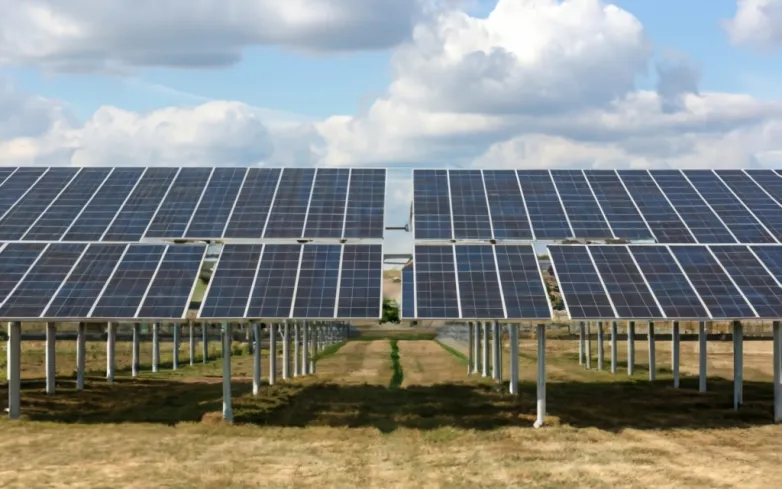
Africa possesses more than 30% of the world’s critical minerals used in solar panels, batteries and electric-vehicle components. Yet despite powering much of the global clean-energy transition, the continent captures only a small share of the value generated from these resources.
This issue took center stage at the African Climate Summit in Addis Ababa, where leaders emphasized the need to move beyond raw-material exports and toward domestic processing and manufacturing. The Addis Ababa Declaration calls for increased climate financing, technology transfer and investment in local industrial capacity to help African nations climb up the value chain.
At present, most of Africa’s minerals are exported with minimal processing, while high-value activities such as cell manufacturing, module assembly and battery production occur elsewhere — particularly in China, Europe and the United States.
Experts warn that unless African countries build refining, processing and downstream manufacturing capabilities, they risk repeating the historical pattern of resource extraction without long-term economic benefit. The challenges are significant: infrastructure deficits, limited power reliability and financing gaps remain major barriers.
But with global demand for solar and battery minerals accelerating, opportunities are growing. If the right investments materialize, Africa could emerge not just as a supplier of raw materials but as a strategic manufacturing hub for clean-energy technologies.
Also read