What Should You Ask About Electrical Connections Before Buying a Home Solar System?
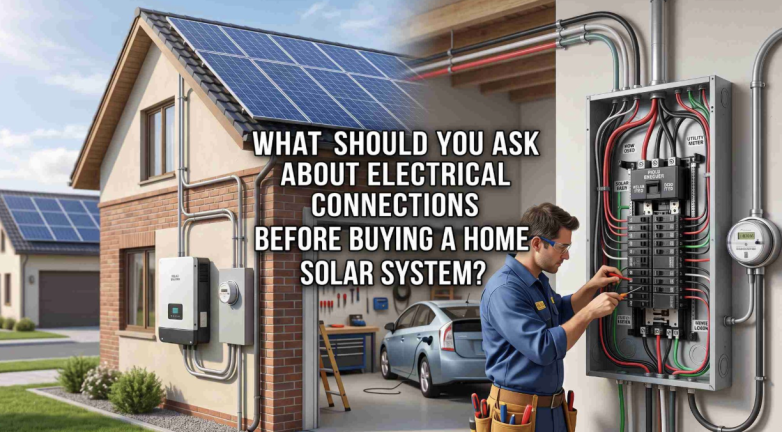
When homeowners start looking into solar power, they usually focus on two things. They look at the sleek panels going on the roof and the battery unit sitting in the garage. Those are the big ticket items and the highly visible parts of the investment. But after years of inspecting and diagnosing underperforming systems, I can tell you that panels rarely fail on their own. Batteries usually do exactly what they are programmed to do.
When a solar system stops working, drops in efficiency or becomes a fire hazard, the culprit is almost always in the wiring. The connections bridging your panels to your inverter and your home electrical board are the true weak points. Asking the right questions about these connections before you sign a contract can save you thousands in repairs down the road.
Look Past the Big Components
Solar sales pitches are heavy on output numbers and warranty periods. The salesperson will show you charts about wattage and efficiency degradation over twenty years. That information is completely useful. However, electricity is useless if it cannot travel safely from the roof to your appliances.
Think about the environment on your roof. It’s a brutal place for electrical components. Temperatures swing wildly from freezing cold mornings to blistering afternoon heat. Rain, pooling water and constant UV exposure break down plastics and degrade metals over time. If the installer cuts corners on the cables connecting your expensive panels the entire system is at risk. A system is only as reliable as its weakest connection point. You need to know exactly how the installation crew plans to link everything together once they get up on the ladders.
Moving Power From the Roof to the Inverter
The journey of electricity starts at the individual panel and has to make its way down into your house. This requires robust cabling that can handle high direct current loads without overheating. Ask your installer what kind of cabling they use for the main runs. You want to hear that they use high quality Power cable assemblies designed specifically for constant outdoor exposure. These are not standard wires pulled from a hardware store shelf. They are specialized components built to handle the exact voltage your system generates while resisting moisture and extreme heat.
If the installer cannot give you a straight answer about the rating and origin of their main cables, you should seriously consider finding another contractor. The right assemblies prevent voltage drop. Voltage drop simply means losing power because the wire cannot efficiently carry the current over a long distance. Quality cabling ensures you actually get the power your panels are working hard to generate.
The Importance of Quality Manufacturing
Knowing what kind of wire is being used is only half the battle. How those wires are put together matters just as much. In the solar industry, we see a lot of equipment failures linked to poorly crimped connectors and cheap insulating materials.
When you talk to a solar provider, ask them about the origins of their electrical components. You are looking for a company that sources materials from facilities with strict Wire Harness Production standards. Precision in the manufacturing stage ensures that every connector snaps together with a true watertight seal.
A loose connection creates electrical resistance. Resistance creates heat. In a solar setup, unexpected heat can melt junction boxes or cause dangerous arc faults. You want components built in tightly controlled environments. You don’t want wires that are hastily crimped together by an apprentice balancing on a slanted roof in the rain. Factory assembled cables are tested for continuity and physical stress. Field assembled cables are only as good as the person holding the crimping tool that day.
Keeping the Setup Clean and Secure
Take a look at a poorly installed solar array and you will see wires draped casually across roof tiles. They might be tucked loosely under the panels or left exposed to the wind. This is a massive red flag for longevity. Wind causes loose wires to rub against abrasive roofing materials. Over time, this friction strips the insulation right off the wire and exposes bare copper.
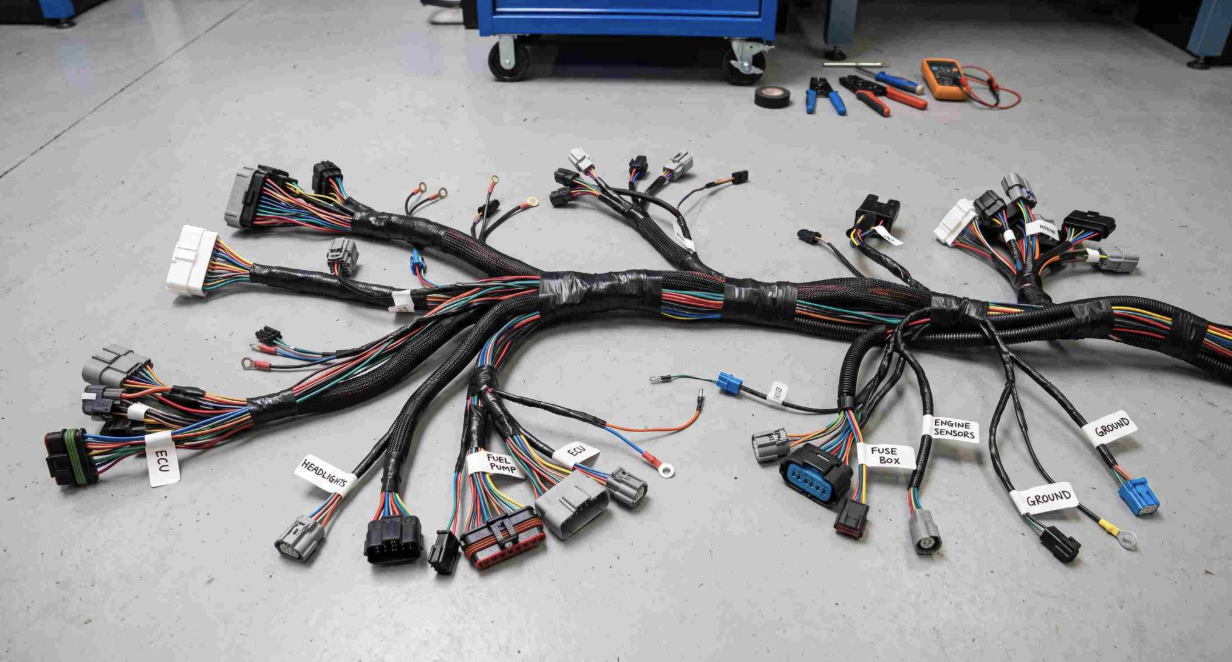
Birds and rodents also love nesting under solar panels and chewing on loose cables. To prevent this professional installers use dedicated wiring harness solutions to bundle and protect the electrical lines. These keep everything securely fastened to the panel frames and completely off the roof surface. They organize the cable paths and shield the sensitive connection points from pests and debris.
When gathering quotes ask the company exactly how they secure the wiring under the array. They should have a clear operational method for cable management rather than just relying on cheap zip ties that will snap after two summers in the sun.
Specific Questions to Ask Your Installer
You don’t need an electrical engineering background to vet a solar installer. You just need to ask a few pointed questions to see how they handle the less glamorous parts of the job.
First ask what type of connectors they use. The standard across the industry is the MC4 connector. But even within that standard there are cheap knockoffs. Ask if they use original components or third party generic brands. Generics often fail to create a reliable seal when paired with other brands. When water gets in, corrosion starts and the system eventually shuts down.
Next, ask about roof penetrations. The point where the wiring enters your attic or roof cavity is a major liability. It must be sealed properly to prevent water ingress. Ask if they use specialized flashing and conduit boxes or if they just rely on standard roofing sealant. Sealant breaks down and cracks over time. Proper metal flashing lasts as long as the roof itself.
Finally inquire about their policy on conduit routing. Some installers will run plastic conduit right across the middle of your roof because it is the fastest way to finish the job. A true professional will route the wiring through the attic space where possible. If they have to stay on the roof, they will run metal conduit neatly along the eaves so it remains protected and out of direct sight.
Making a Smart Investment
Buying a solar system is a long term commitment. You are essentially attaching a miniature power plant to the structure of your home. It pays to be thorough with the mechanical details. Sales teams will always steer the conversation back to panel output and return on investment. Let them make their pitch. Then bring the conversation right back to the hardware keeping it all together. A company that takes pride in its electrical connections is a company that cares about the longevity of its work.
They will gladly explain their cable management practices and the quality of their components. If they brush your questions off or tell you not to worry about the wiring, take your business elsewhere. The peace of mind that comes from a safe properly wired system is worth far more than a slightly cheaper installation price.
Also read
- How Can You Plan Solar Powered Lighting for a Garden Shed Without Overbuying?
- How Can You Make a Solar Installation Proposal Easier for Homeowners to Understand?
- How Can You Plan Portable Solar Power for a Weekend Away?
- Solar PV and Pool Heat Pumps in Australia: How to Reduce Heating Costs Without Oversizing Your System
- World Sustainability Forum Continues Global Impact with WSF-13 and Sustainability Awards in 2027