How Can You Make a Solar Installation Proposal Easier for Homeowners to Understand?
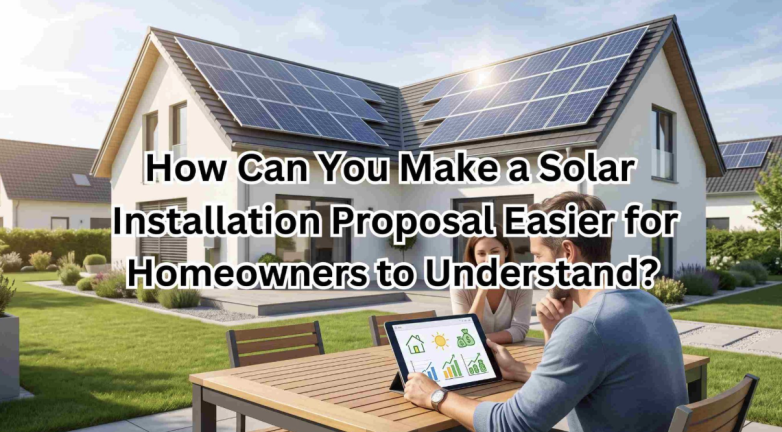
Most solar proposals fail because they look like an engineering exam. When homeowners ask for a solar quote they are looking for predictability. They want to know how much money they will save, what the hardware looks like and how long the installation takes. Instead they often receive a dense document filled with clipping ratios and irradiance metrics.
Solar power at home can be a big investment. The proposal is an integration of a complex electrical project and a huge financial decision. If three companies are offering a system of similar size, the most clearly written communicator will win. These are the steps you can take to clear up the noise and give a proposal a clear message.
Stop Selling the Engineering
You're selling a real monetary result. When installing, installers tend to be too enthusiastic about the system design and tend to explain the hardware too much. Specifications listed for tier one cells only add to the confusion of the buyer.
Outline the proposal to the basic questions first. Divide the document into three sections: the architectural aspects of the roof, the cost and the time. If you do need to put panel and inverter technical spec sheets in, place them in the Rear Appendix. Show the customer the overall picture before he/she is asked to view wiring diagrams.
There is no typical distinction between the two.Most homeowners don't pay attention to technical differences between a string inverter and microinverters. They are not concerned with shade or long term reliability. Consider the options you have for the equipment: what does it do for the family and why?
Translate the Technical Details
Your sales team and your installation crew speak a different language than your average customer. You might think it is important to explain the exact efficiency degradation curve of a specific module over 25 years. The homeowner just wants a guarantee that the panels will still generate power when their kids go to college.
Warranties require the same simplified approach. Do not force the client to dig through a 20 page legal document. Summarize the protections into three bullet points explaining what covers the roof integrity, the hardware and the labor.
If your team struggles to strip industry jargon out of their executive summaries, have them run their draft text through an AI tone rewriter before sending it out. This is a fast way to catch overly technical phrasing and convert it into conversational language. You want your proposal to read like a straightforward business agreement.
Hide the Math and Show the Results
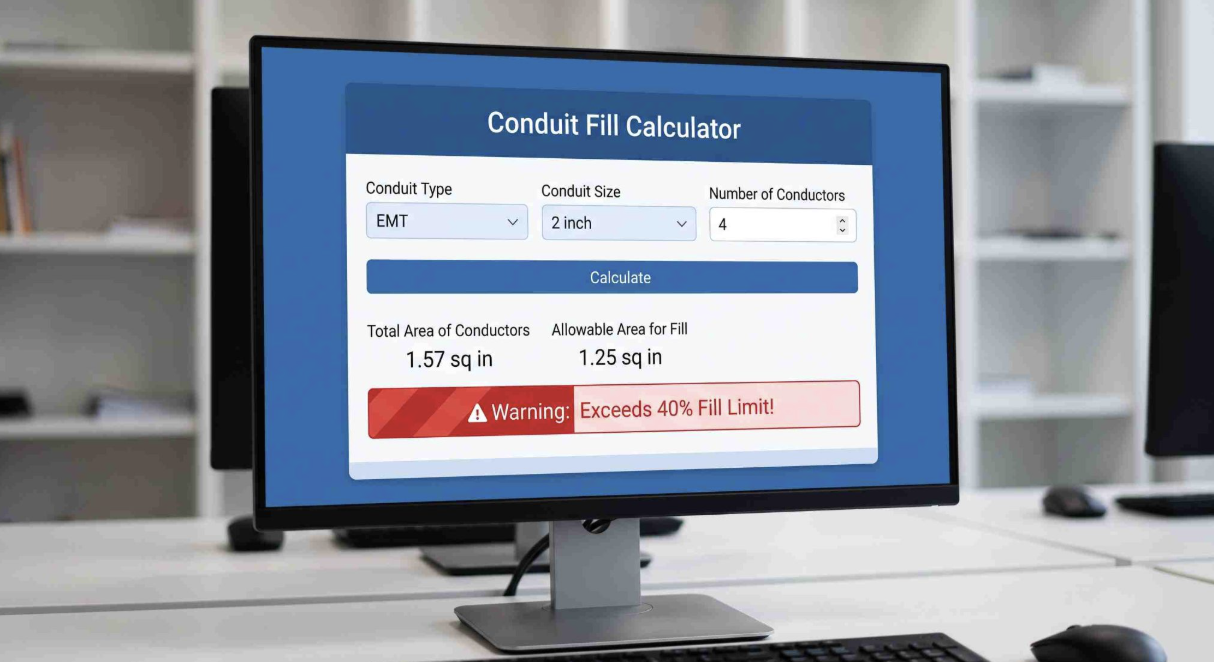
Designing a safe solar array requires a massive amount of background work. You have to evaluate the main service panel, calculate structural roof loads and map out electrical runs. When planning the wiring layout, your technical team will use a Conduit Fill Calculator to ensure the physical cables safely fit inside the protective piping according to local codes. That is critical work. It also has zero place in your sales proposal.
The homeowner does not care about wire gauges. They only need to know that the installation will be code compliant and that the exterior conduit will match their siding. Do the complex math at the office. Give the client the clean, finished result. Show them where the boxes will sit and confirm that roof penetrations are waterproofed.
Keep the Visuals Clean and Professional
Your quote's appearance is as important as the numbers contained within it. It should be a clean document with lots of white space. Mobile versions are vital for many clients who will be reading this quote on their phone whilst sitting on the couch.
Sometimes sales representatives try to get clever with their follow up emails to make a quote stand out. They might use a Unicode Font Generator to force bizarre bold or cursive text into their email subject lines. You should avoid this completely. It triggers spam filters and makes a high value construction quote look like a cheap marketing scam. Stick to standard fonts, clear headings, and high quality images of the proposed roof layout.
Give Them a Clear Financial Picture
The financial breakdown is where the actual decision is made. Do not bury the total cost or make the homeowner hunt for their expected payback period.
Lay out the numbers clearly on a single page. Show the gross system cost, subtract any applicable incentives and highlight the net cost in a large font. Put the estimated monthly payment right next to their current average utility bill.
That comparison is the only math most homeowners care about. If the new monthly loan payment is lower than their old power bill, you have built a compelling business case. Avoid using overly optimistic utility escalation rates. If you assume grid energy prices will rise by an unrealistic percentage every year just to make your payback look faster, the client will eventually spot the manipulation.
Set Realistic Expectations for the Timeline
One of the biggest pain points for residential solar is the delay between signing the contract and installing the system. It's a homeowner's worst nightmare to be kept in the dark. A compelling proposal is not a proposal that simply sells the equipment. It outlines the entire customer journey.
Provide a very clear progression on what is next. For the site survey, permitting process, physical installation days and the final utility inspection, list the steps. Assign them work schedules for each stage.
Talk to the installation day right away. Talk about if there is likely to be a lot of noise from the work if they must be home, and for how long the power will be off when you upgrade the electrical panel. By controlling these hopes within the first approach, you establish a foundation of trust straight away and avoid the panicked telephone calls later. The most successful solar professionals are not only aware of the steps to take to make a complicated construction project look so easy for the one paying the check, but they also understand how.
Also read
- How Can You Plan Solar Powered Lighting for a Garden Shed Without Overbuying?
- What Should You Ask About Electrical Connections Before Buying a Home Solar System?
- How Can You Plan Portable Solar Power for a Weekend Away?
- Solar PV and Pool Heat Pumps in Australia: How to Reduce Heating Costs Without Oversizing Your System
- World Sustainability Forum Continues Global Impact with WSF-13 and Sustainability Awards in 2027