How Can You Plan Portable Solar Power for a Weekend Away?
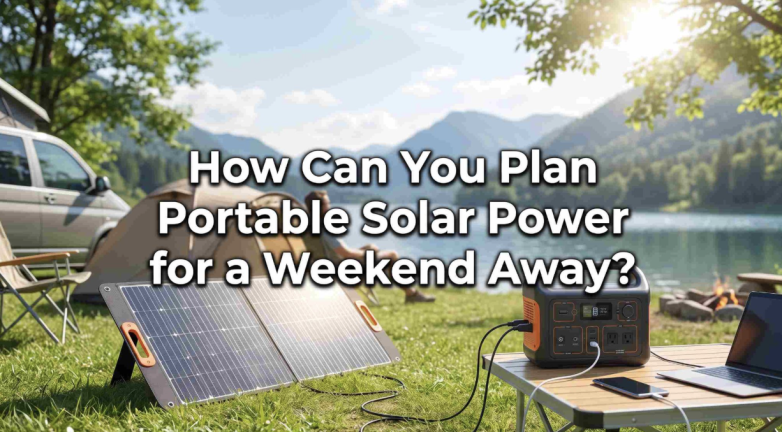
People usually find out their portable power setup is inadequate at the worst possible time. It is usually around 8 PM on a Saturday when the portable fridge compressor kicks in the camp lights dim and the battery management system shuts everything down to protect the cells. Going off grid for a weekend sounds relaxing until you are stressing over voltage readings and warm food.
Planning a portable solar setup does not require an electrical engineering degree. It just requires an honest assessment of what you intend to run and matching your equipment to those specific loads. Overbuilding wastes money and takes up cargo space. Underbuilding ruins the trip. Here is how you find the middle ground.
Figuring Out What You Actually Need to Power
You cannot buy a battery or a solar panel until you know what they are going to do. I often see people buy a heavy 2000 watt power station just to charge two phones and a drone. On the other end of the spectrum, someone will buy a pocket sized battery bank and expect it to run a CPAP machine and a heated blanket all night.
Start by making a physical list of every device you will bring. Look at the power brick or the label on the device to find the wattage. If the label only lists amps and volts, multiply those two numbers together to get the total watts.
You have to separate your loads into two categories: intermittent and continuous. A phone charger pulls maybe 15 watts for two hours. A 12 volt compressor fridge might pull 45 watts but it cycles on and off for the entire 48 hour trip. Getting this part wrong is the primary reason weekend power systems fail.
Keep in mind that running household AC appliances through an inverter wastes energy. Converting 12 volt DC battery power to AC power usually results in a 10 to 15 percent energy loss just in the conversion process. If you can run your devices directly off 12 volt DC you will save a significant amount of battery capacity over a weekend.
Doing the Math on Capacity
Once you have your wattage numbers, you need to calculate total energy consumption. The standard metric for this is watt hours. If your camp lights draw 20 watts and you run them for 5 hours, that equals 100 watt hours. Add up the daily watt-hours for everything on your list. Multiply that total by the number of days you will be away. That final number gives you a baseline target for your battery capacity.
You can certainly do this with a pen and paper. If you have a complex load profile with varying runtimes, running your numbers through a good battery runtime calculator will save you some headaches. Just plug in your device wattages and expected hours of use to get a highly accurate capacity recommendation.
Always add a 20 percent buffer to whatever number you calculate. Batteries degrade over time, and cold weather temporarily reduces their usable capacity. You also do not want to drain lithium batteries completely to zero if you can avoid it. Having extra headroom is just good operational practice.
Choosing the Right Setup
The market is flooded with options right now. The easiest route is buying a commercially available portable power station. These are essentially a battery, an inverter and a solar charge controller all stuffed into a single plastic housing. They work well for most weekend campers who just want to plug things in and not think about the internal wiring.
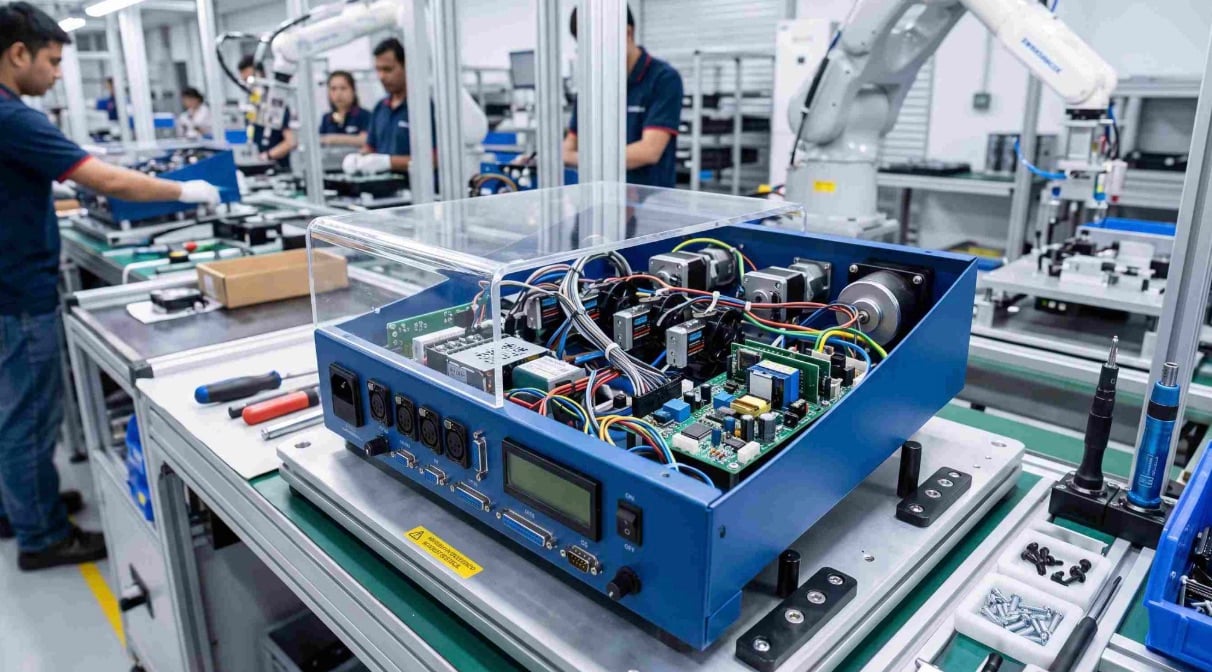
If you have specific space constraints or want something highly rugged, building a custom system might make sense. You do not necessarily have to wire it from scratch. You can source a turnkey box build assembly from specialty off grid suppliers. These units come pre-wired with the heavy duty fuses, shunts, and specific outlets you need. They are built into weatherproof cases and allow you to swap out individual components if something breaks down the line. That modularity is a massive advantage over sealed commercial units when you are far from home.
Solar Panels and Recharge Rates
A battery only stores power. You need solar panels to put power back into it if you plan to stay out longer than your initial battery capacity allows.
The standard rule for weekend trips is to size your solar array to replace your daily power consumption in about five hours of good sunlight. If you use 500 watt hours a day, you want at least 100 watts of solar. I usually recommend going up to 160 or 200 watts for that scenario because solar panels almost never produce their rated output. Dust, poor angles and passing clouds will drastically reduce what actually goes into the battery.
Portable panels generally come in two styles: folding blankets and rigid glass. Folding panels are lightweight and easy to stuff behind a vehicle seat. The downside is they are expensive and can degrade faster if they are constantly folded and unfolded. Rigid panels are cheaper and more durable but they take up a lot of physical cargo space. For a simple weekend away, a foldable 200 watt blanket is usually the most practical choice.
Make sure the voltage of your panel matches the input limits of your charge controller. Plugging a high voltage commercial solar panel into a small portable power station is a fast way to fry the internal electronics.
Planning for the Environment
Solar power relies entirely on the weather and your physical location. If you are heading into a heavily wooded area or the forecast calls for rain all weekend, your solar panels are going to be dead weight.
Look at your campsite satellite imagery before you leave. If you are parked under a thick canopy, you will need an extension cable to get your panels out into a clearing. Standard solar cables lose voltage over long distances. If you need a 30 foot run, you must use heavy gauge wire to prevent voltage drop.
This is where good preparation pays off. A lot of people are starting to use AI tools for trip planning and logistics. You can use an online prompt library to find specific queries that generate custom packing lists, weather analyses, or even troubleshooting steps for off grid power systems based on your exact location. Having those contingency plans downloaded to your phone before you lose cell service is a smart move.
Managing the System Onsite
When you arrive at your destination, set up the power system first. Get the panels out and point at the sun while you unpack everything else. The goal is to keep the battery topped up as much as possible before the sun goes down. Keep your battery in the shade. Lithium iron phosphate cells are incredibly safe, but they do not like extreme heat. Leaving a power station baking in the direct sun will trigger the thermal protection sensors and stop it from charging completely.
Most of the modern battery systems are equipped with displays or a Bluetooth based app that provide incoming and outgoing wattage. When first installing, check this. It provides a real time view of your usage. When you are measuring 100 watts and only getting 40 watts from the sun, you realize that you are spending more energy than you are receiving from the sun and you need to tweak your energy usage before the night ends.
Regularly check connections. Your plugs can loosen on rough dirt roads and if the solar cable disconnects, you are using up your battery without realizing it. Portable power is simply a means to make the weekend more comfortable.
Also read
- How Can You Plan Solar Powered Lighting for a Garden Shed Without Overbuying?
- How Can You Make a Solar Installation Proposal Easier for Homeowners to Understand?
- What Should You Ask About Electrical Connections Before Buying a Home Solar System?
- Solar PV and Pool Heat Pumps in Australia: How to Reduce Heating Costs Without Oversizing Your System
- World Sustainability Forum Continues Global Impact with WSF-13 and Sustainability Awards in 2027