How Long Do Solar Panels Actually Last? What BC Homeowners Should Know
Quick Answer
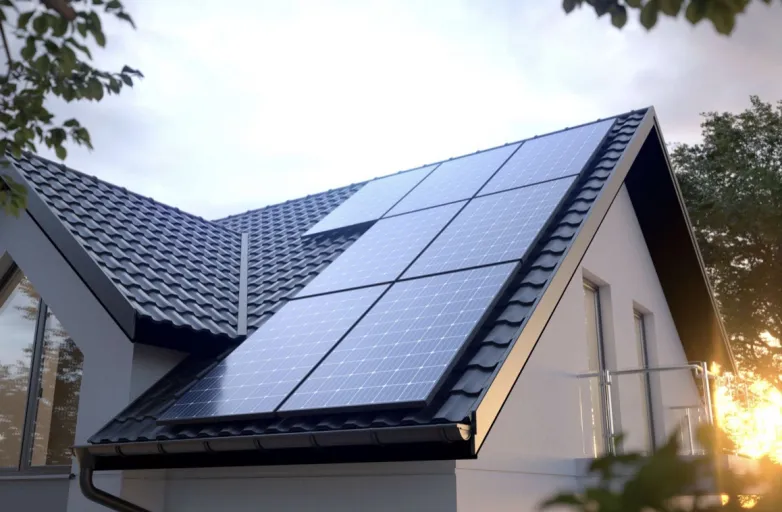
Most solar panels last 25 to 30 years, and many keep producing power well past that. They don't shut off on a set date. Output slips by roughly half a percent a year, so after 25 years a good panel still runs at about 80 to 90 percent of its original strength. For a BC homeowner, that's decades of dependable, clean energy from a single install.
Introduction
Picture the panels you put up this spring still feeding your home when today's toddlers are finishing high school. That's not wishful thinking. It's the realistic timeline for solar in British Columbia.
Solar is a big purchase, so it's fair to ask how many years of savings you're actually buying. The answer runs longer than most people expect, though a few things shape the exact number. If you're weighing your options, it helps to start with a trusted overview of how long do solar panels last before you commit to anything.
Coastal rain, the odd snowfall, and long grey winters all raise fair questions about durability here. Panels are built for these conditions, though, and a well-planned system holds up well against BC weather.
What Solar Panel Lifespan and Degradation Really Mean
A solar panel rarely dies in one dramatic moment. It fades slowly, giving up a sliver of output each year while still doing its job. That slow fade is called degradation, and understanding it changes how you think about the whole purchase.
Most panels sold today lose about 0.5 percent of their output a year. So the number to care about isn't when a panel "stops working." It's how much power it still makes after 20 or 30 years of service.
How Panel Output Adds Up Over the Years
A small yearly loss compounds, but never steeply enough to make the system useless. Here's roughly how a quality panel performs across its life:
|
Age of System |
Approx. Output vs. Year One |
|
5 years |
~97% |
|
10 years |
~95% |
|
20 years |
~90% |
|
25 years |
~88% |
|
30 years |
~85% |
Even three decades in, you're still capturing most of the energy you started with. That's why so many homeowners keep their original setup running long past the point people assume it would quit.
What Speeds Up or Slows Down the Fade
Not every panel ages at the same pace. A handful of factors decide whether yours lands at the strong or weak end of the range:
- Build quality — premium panels degrade slower, sometimes as little as 0.25 percent a year.
- Installation — clean wiring, proper tilt, and secure mounting prevent early wear.
- Climate stress — repeated heavy heat and freeze-thaw cycles are harder on materials than mild conditions.
- Maintenance — clearing debris and checking connections keeps output steady.
Coastal BC plays to solar's strengths. Cooler temperatures help panels run a touch more efficiently than they would in scorching heat, and steady rain rinses away the dust and pollen that would otherwise dull performance.
The Parts That Don't Last as Long
Here's a caveat worth knowing: the panels usually outlive some of the gear attached to them. The inverter, which converts your solar energy into usable household power, tends to run 10 to 15 years before it needs replacing. Racking and wiring generally go the distance, but planning for one inverter swap over the system's life keeps your budget realistic.
This is where paper protection matters. A strong solar panel warranty stands between a rare defect and an expensive surprise, and reading the fine print before you buy tells you exactly how long the manufacturer expects their product to perform.
Knowing the lifespan is one piece of the picture. A few practical moves can stretch those years even further.
Stretching Panel Life and Savings in BC
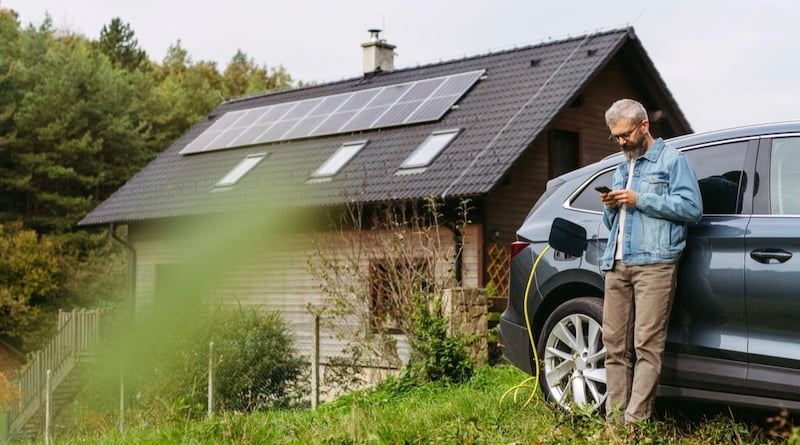
Buying a durable system is step one. Keeping it healthy is what turns a 25-year rating into 30-plus years of steady savings. The habits involved are simple, and most take almost no time.
Small Habits That Protect Output
You don't need to climb on the roof or hire monthly service. A light touch usually does it:
- Glance at your monitoring app now and then to catch sudden output drops early.
- Let rain do the cleaning, and only rinse panels during long dry stretches.
- Book a professional inspection every few years to check mounts and wiring.
- Clear heavy, lingering snow gently from the ground with a soft roof rake, never a hard tool.
Catching a loose connection or a shaded panel early stops a small issue from quietly draining your production for months.
Making the Numbers Work with Net Metering
Longevity is really a financial story. The longer your panels run, the more years of free electricity you collect after the system pays for itself. British Columbia sweetens that math in two ways worth knowing.
First, net metering with BC Hydro lets you bank the surplus your panels generate on long summer days and draw on those credits through darker winter months. Second, the solar rebates BC homeowners can tap into help shrink the upfront cost, which shortens your payback period and stretches the profitable years at the tail end.
A Quick Reality Check on Payback
Here's the reassuring part. Even with a payback window around 10 to 14 years, a system rated for 25 to 30 years still leaves you well over a decade of nearly free power. Rising electricity prices only widen that gap in your favour over time.
Put together, durable hardware and a little upkeep make solar one of the steadier long-term bets a homeowner can make.
What a 25-Year Lifespan Means for Your Home
Solar panels are one of the few home upgrades built to work for a quarter century or more. They don't quit on a set date. They simply ease off a fraction each year while still covering most of your energy needs. For a home in British Columbia, that means decades of lower bills from a single, well-planned install.
The approach is refreshingly simple. Choose quality equipment, have it installed properly, and give it light attention over the years. Do that, and your panels will likely outlast the expectations you started with, quietly paying you back long after the system has covered its own cost. Few investments this durable ask so little of you in return, which makes solar a smart move for the long haul.
Also read
- How Can You Plan Solar Powered Lighting for a Garden Shed Without Overbuying?
- How Can You Make a Solar Installation Proposal Easier for Homeowners to Understand?
- What Should You Ask About Electrical Connections Before Buying a Home Solar System?
- How Can You Plan Portable Solar Power for a Weekend Away?
- Solar PV and Pool Heat Pumps in Australia: How to Reduce Heating Costs Without Oversizing Your System