Home Solar Plus Battery Storage on Vancouver Island: What Payback Looks Like in 2026
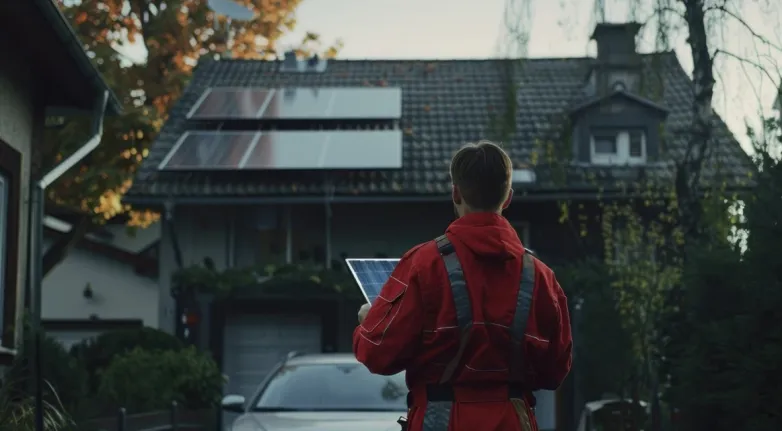
The economics of rooftop solar on Vancouver Island have shifted meaningfully over the past several years, and 2026 represents a point where the numbers are compelling for a broader range of homeowners than they were even three years ago. Panel costs have continued to decline. Battery storage costs have followed a similar trajectory. Utility rates have risen. Federal and provincial incentive programmes have made the upfront investment more accessible. For homeowners who are evaluating whether solar makes sense for their property, understanding the current payback calculation with real numbers is more useful than the vague assurance that solar pays for itself eventually.
Why Vancouver Island's grid makes solar worth understanding
BC Hydro serves the vast majority of Vancouver Island's residential customers and provides net metering for customers who generate their own electricity. Under BC Hydro's net metering programme, surplus electricity generated by a rooftop solar system flows back to the grid and is credited to the account at the retail rate. At the end of the billing year, any remaining surplus credit is paid out at a lower wholesale rate.
BC Hydro publishes current net metering rates and programme terms on its website. Understanding the rate structure matters for the payback calculation because it affects how surplus generation is valued: energy consumed directly from solar panels has the highest value because it displaces power purchased at the full retail rate, while energy exported to the grid and carried as a credit is slightly less valuable, and energy exported beyond the annual balance is paid at a lower rate.
The practical implication is that the financial return on solar is maximised when consumption patterns align with solar production, which is highest between late morning and mid-afternoon on sunny days.
Choosing an installer for Vancouver Island conditions
Local installer experience matters on Vancouver Island for reasons that go beyond general competence. Coastal and island rooftops face specific conditions that affect system design: salt air, high winds, the direction and angle of slopes, and the specific inverter and racking requirements that follow from these. Gulf Island properties with limited grid connectivity have different storage needs than properties in Victoria with reliable grid access. Oceanvolt Solar & EV, which has installed solar and battery systems across Vancouver Island and the Gulf Islands, brings knowledge of these specific conditions to system design and equipment selection. Working with an installer who has a direct track record on the specific type of property and location being considered reduces the risk of a system that underperforms because it was designed for generic conditions rather than actual ones.
Typical system sizes and costs in 2026
For a detached home on Vancouver Island with average electricity consumption of approximately 900 to 1,100 kilowatt-hours per month, a solar system in the range of 7 to 10 kilowatts of installed capacity is typically appropriate. At 2026 installed costs, this range sits at approximately $3 to $4.50 per watt before incentives, putting the system cost before rebates in the range of $21,000 to $45,000 depending on system size, roof complexity and the specific equipment selected.
Federal and provincial incentives reduce this meaningfully. The Canada Greener Homes Grant and BC CleanBC programmes together have provided up to several thousand dollars in grant funding for qualifying installations. The specific amounts available in 2026 depend on programme funding availability, so confirming current incentives with an installer before finalising a project budget is important.
Battery storage: what it adds and what it costs
Battery storage is increasingly paired with solar installations, particularly in areas of Vancouver Island where grid reliability is variable or where homeowners have interest in energy independence. A battery system in the 10 to 15 kilowatt-hour range, which is the typical residential sizing, stores surplus daytime solar production for use in the evening and overnight. It also provides backup power during grid outages, which is a meaningful benefit in areas that experience storm-related outages.
The cost of adding battery storage in 2026 sits in the range of $12,000 to $20,000 depending on capacity and the specific system. This adds to the project cost and extends the payback period, but the payback analysis should include the value of backup power and, for households on time-of-use rates or with EV charging needs, the rate arbitrage value of shifting consumption to periods of lower cost.
What payback actually looks like
A 7-kilowatt solar system on Vancouver Island, sized to offset most of the household's electricity consumption, generating approximately 7,000 to 8,000 kilowatt-hours per year at average BC Hydro residential rates, saves approximately $1,000 to $1,400 annually in electricity costs after accounting for the value of net metering credits. At that savings rate, a system costing $22,000 installed after incentives has a payback period of approximately 15 to 22 years, which lands within the warranted lifespan of quality solar panels, typically 25 years.
That calculation improves as electricity rates rise, as it has done consistently over the past decade, and worsens if consumption is lower than the system is sized for. Getting the sizing right for each specific household's actual consumption and roof characteristics is the most important variable in producing an accurate payback estimate.
Also read
- Solar PV and Pool Heat Pumps in Australia: How to Reduce Heating Costs Without Oversizing Your System
- World Sustainability Forum Continues Global Impact with WSF-13 and Sustainability Awards in 2027
- How Long Do Solar Panels Actually Last? What BC Homeowners Should Know
- Why most AI agent pilots on solar sites never reach production
- How Industrial Air Cleaning Improves Workplace Safety and Productivity