Search
EDP, Energa Ink 322-MW Hybrid PPA in Poland
EDP signed a long-term PPA with Poland’s Energa tied to a 322‑MW hybrid portfolio in Wielkopolska, blending existing wind with new solar that will start up in 2026. The deal will deliver 600 GWh a year, cutting Energa’s fossil exposure and avoiding more than 600,000 tonnes of CO2 annually. EDP’s Polish footprint tops 1.3 GW across wind, solar and storage.By co-locating solar with wind and sharing interconnection, the hybrid smooths output, lifts capture prices and eases grid constraints, with batteries a future option. Big‑ticket utility PPAs are becoming key financing anchors as Poland pivots to dependable megawatt-hours.
What are the PPA tenor, pricing mechanism, indexation, and balancing responsibilities?
Global buildout: ~560–600 GW of new renewables expected in 2025, with solar >70% of additions and utility-scale storage deployments exceeding 60 GWh worldwide.
Prices: Utility PV module ASPs hovering around $0.12–0.16/W for Tier-1; onshore wind turbine prices stabilizing after 2022–23 inflation but balance-of-plant still elevated.
Supply chain: Polysilicon oversupply persists; wafer/cell consolidation accelerating in China; U.S. manufacturing ramps (modules, trackers, inverters) but nacelles/blades remain constrained.
Storage: LFP dominates; sodium-ion entering commercial fleets for stationary applications; multi-day iron-air and flow batteries moving from pilots to early procurement.
Grid queues: Interconnection backlogs >2 TW in U.S. with median timelines ~4–5 years; cluster studies and cost-sharing reforms begin to reduce attrition.
Curtailment: Solar curtailment rising in high-penetration regions; hybridization (solar + storage) and advanced inverters mitigate but require updated market rules for flexibility.
Permitting: Offshore wind and transmission face the longest lead times; digital siting tools, standardized wildlife surveys, and federal permitting timetables aim to cut years off approvals.
Finance: Transferable tax credits and direct pay broaden investor base; merchant risk growing for projects without long-term offtake; rising insurance premiums for offshore and hurricane zones.
PPAs: Corporate offtake shifts to shorter tenors with price reopeners; 24/7 matching and hourly certificates gain traction among data centers.
Policy: U.S. domestic content and energy community adders materially improve project IRRs; EU revises market design to expand two-way CFDs; emerging markets leveraging blended finance.
Offshore wind: Cost pressures easing with renegotiated PPAs and localized supply, but foundation installation and HV equipment remain bottlenecks; floating pilots scaling to 100–200 MW.
Hydrogen: Electrolyzer costs trending toward $400–600/kW by 2027 with gigafactories online; bankability hinges on cheap renewables, high utilization, and clarity on carbon intensity metrics.
Bioenergy: Sustainable aviation fuel demand outpacing feedstock growth; advanced pathways (alcohol-to-jet, e-fuels) move to FID with offtakes from airlines and cargo operators.
Thermal decarbonization: Industrial heat pumps to 200°C reach commercial scale; solar process heat and geothermal district systems attract concessional capital.
Critical minerals: Lithium and nickel markets loosen; grid-scale storage diversifies chemistries to reduce cobalt dependence; recycling capacity for batteries and blades expands.
Community impact: Community benefits agreements and revenue-sharing improve acceptance; agrivoltaics and pollinator-friendly designs reduce land-use conflicts.
Reliability: Microgrids and virtual power plants aggregate DERs for peak shaving; demand response from data centers and cold storage emerges as a firm resource.
Operations: Fleetwide performance boosted by advanced forecasting, soiling analytics, and condition-based maintenance; inverter cybersecurity standards tightened.
Decommissioning/recycling: PV glass/aluminum recovery improves economics; thermoplastic blades enable easier recycling; circular contracts appear in EPC bids.
Weather risk: More frequent extremes drive designs with higher wind/snow loads, better drainage, and flood modeling; parametric insurance gains popularity.
Market design: Scarcity pricing, negative-price floors, and nodal signals increasingly shape dispatch; capacity accreditation for hybrids and storage still evolving.
Interregional transmission: Macro-grid concepts progress via public-private cost allocation; advanced conductors and dynamic line ratings yield faster wins than new corridors.
Data centers: AI load growth accelerates utility-scale PPAs, onsite generation, and behind-the-meter storage; 24/7 clean power procurement reshapes hourly markets.
EV integration: Managed charging and bidirectional pilots scale; depot charging ties into rooftop solar + batteries to cut demand charges.
Emerging markets: Auctions add domestic content rules; currency hedging facilities and guarantees unlock more utility-scale solar and wind in Africa and Southeast Asia.
Carbon accounting: Hourly matching and granular guarantees of origin reduce emissions mismatch; scope 2 market-based accounting faces tighter scrutiny.
Workforce: Shortages in high-voltage electricians and wind technicians persist; apprenticeship requirements expand; safety protocols updated for battery sites.
Innovation: Perovskite-silicon tandems approach 28–30% module efficiencies in trials; bifacial + trackers remain utility workhorse; DC-coupled hybrids spread.
Outlook: Levelized costs expected to decline modestly through 2026 as input inflation recedes; projects with grid-friendly designs and flexible offtake outperform peers.
Dec 18, 2025 // Plants, Large-Scale, Commercial, UTILITY-SCALE SOLAR, Poland, EDP, Europe, Energa, hybrid PPA
Constant Energy acquires Thai solar parks portfolio from EDP Renewables
acquisition of a 7.7-MW portfolio of operating solar parks in Thailand from EDP Renewables APAC, expanding its base of contracted, distributed generation in
Oct 31, 2025 // Plants, Large-Scale, Commercial, Thailand, Asia, EDP Renewables, distributed solar, Constant Energy, acquisition
EDP Launches Portugal's First Rooftop Solar Array
EDP Renovaveis SA (EDPR) has inaugurated a 4.5-MWp rooftop solar photovoltaic system for the textile company Riopele in Portugal. This innovative installation, comprising approximately 8,000 solar panels spread over 22,000 square meters, is the first of its kind constructed on a building facade. The project, which demanded over EUR 5 million in investments, received partial financing through Portugal's recovery and resilience plan.The new solar array is expected to produce 5.8 MWh of electricity annually, elevating Riopele's renewable energy consumption from 3% to 12%. The company's president, Jose Alexandre Oliveira, announced plans for an additional photovoltaic plant exceeding 3 MWp capacity, aimed at achieving zero environmental impact by 2027, coinciding with their centenary celebrations.
How will Riopele's new solar installation impact its energy consumption and sustainability goals?
Impacts of Riopele's New Solar Installation on Energy Consumption and Sustainability Goals:
- Increased Renewable Energy Share: The solar installation will significantly boost Riopele's renewable energy consumption from 3% to 12%, marking a substantial step toward a more sustainable energy profile.
- Annual Energy Production: With a projected annual output of 5.8 MWh, Riopele can rely on this installation to meet a larger portion of its energy needs sustainably, reducing dependence on fossil fuels and traditional energy sources.
- Cost Savings on Energy Bills: By generating its own electricity, Riopele is likely to experience significant savings on energy costs over time, allowing these funds to be redirected into further sustainability initiatives or innovations within the company.
- Decrease in Carbon Footprint: Transitioning to solar energy will help lower the company's carbon emissions, contributing to broader global efforts to mitigate climate change and fulfill corporate responsibility towards sustainability.
- Support for Future Sustainability Goals: The installation aligns with Riopele's ambition to achieve zero environmental impact by 2027, enabling the company to set a precedent in the textile industry for sustainable practices and operations.
- Innovative Use of Space: Utilizing rooftop and facade space for solar panels maximizes the building's surface area for renewable energy generation, showcasing effective land use and innovative architectural solutions in urban environments.
- Community and Economic Impact: By investing in renewable energy, Riopele can lead by example in the local textile sector, potentially inspiring other companies to follow suit. This may also create local jobs in the solar energy and sustainability sectors.
- Alignment with National Policies: The solar project supports Portugal’s recovery and resilience plan, enhancing national energy independence and contributing to the country's climate action goals.
- Investor and Stakeholder Confidence: Demonstrating a commitment to sustainability through this solar installation can enhance Riopele's image among investors, customers, and stakeholders, potentially leading to increased business opportunities.
- Long-Term Viability: By diversifying energy sources with solar, Riopele not only secures a stable energy supply but also protects itself against fluctuating energy prices, ensuring greater operational stability and long-term viability.
This strategic move by Riopele highlights the growing trend among businesses to integrate renewable energy solutions into their operations, thereby reinforcing their commitment to sustainability and environmental stewardship.
Sep 30, 2024 // Rooftop PV, Portugal, Europe, EDPR
Sudene Funds EDP's 98 MW Solar Projects in Brazil
a BRL 149.62 million (USD 27.6 million) loan for two solar projects by EDP Renovaveis Brasil, totaling 98 MW in capacity. This funding, part of the
Sep 24, 2024 // Plants, Large-Scale, Commercial, EDP, South america, Brazil, PV Power Plant, Sudene
EDP, QIC Strike Exclusive Queensland Solar-Storage Deal
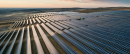
EDP Renewables signed an exclusivity agreement with Queensland Investment Corporation to deliver a 400‑MWac/480‑MWp solar project paired with battery storage in Queensland, won in a recent state tender. The partners are negotiating a power purchase agreement to anchor the large-scale solar‑BESS development; financial terms were not disclosed.The project would expand EDPR’s Australian footprint and leverage QIC’s state-backed investment platform. Next steps include permitting, grid connection and contracting before financial close. The initiative aligns with Queensland’s legislated targets of 70% renewables by 2032 and 80% by 2035, aiming to boost grid reliability and add firmed renewable capacity in the state.
How will permitting, grid connection, and PPA shape EDPR-QIC’s Queensland project?
Permitting will set the project’s critical path: planning approvals, environmental impact assessments, cultural heritage agreements, and land-use consents must align before EPC tendering and financial close can proceed.
Environmental approvals will drive design tweaks—setbacks, wildlife corridors, glare management, and biodiversity offsets—which can alter layout, capacity factor, and construction sequencing.
Community and First Nations engagement outcomes will shape benefit-sharing, construction hours, traffic routes, and workforce accommodation, influencing cost and schedule certainty.
Compliance with state planning codes and federal environmental laws will determine whether staged approvals are possible, affecting how quickly early works (roads, fencing, geotech) can start.
Grid connection to the transmission network operator will hinge on queue position and detailed power system studies (fault levels, system strength, voltage control), dictating inverter settings, reactive plant sizing, and BESS grid-forming capabilities.
Connection studies will quantify marginal loss factors and curtailment risk; outcomes may push location-specific upgrades (e.g., dynamic reactive support, synchronous condensers) or capacity right-sizing to maximize net revenue.
Negotiated performance standards under the National Electricity Rules will lock in technical obligations; failure to meet them could delay energization, so OEM selection and model validation must be front-loaded.
A staged commissioning plan (solar first, then BESS, or vice versa) may be adopted to align with network outage windows and seasonal resource, smoothing cashflow ramp-up.
If located within or near a Renewable Energy Zone, access to shared network upgrades could improve hosting capacity but will require coordination with other proponents and adherence to state-led timetables.
The PPA will anchor bankability: tenor, offtaker credit quality, pricing structure (fixed, indexed, or hybrid), and firmness obligations will set debt sizing and sculpt equity returns.
Shape and firming provisions will leverage the co-located BESS—time-shifting and cap products can reduce imbalance penalties and enhance capture price compared to standalone solar.
Revenue allocation between energy, LGCs, and BESS services (arbitrage, FCAS, contingency services) will be defined in the PPA or left merchant; the split will affect revenue certainty and lender appetite.
Curtailment, constraint, and MLF risk-sharing clauses will be pivotal; weaker protections would require higher contingency, while strong protections can support tighter EPC pricing.
Construction start and financial close will likely be conditional on an agreed connection agreement and executed PPA; slippage in either will push COD and increase IDC.
An indexed PPA or escalation mechanism can hedge construction inflation; absence of indexation may force a smaller debt tenor or higher equity check.
BESS warranty and augmentation terms must align with PPA dispatch rights; mismatches could cap usable capacity and limit firming revenues late in life.
Causer-pays and performance incentive structures in the PPA will encourage high availability and fast response from the BESS, driving controls and EMS investment decisions.
Grid services commitments (voltage, inertia substitutes, system strength support) may win faster connection or curtailment relief, but will require additional capex in inverters and control systems.
Coordinating outage windows with the network operator will define the build calendar; delays in transmission upgrades or protection setting approvals can outweigh on-site construction risks.
Overall, swift, well-scoped permits, a de-risked connection agreement, and a bankable, flexible PPA will compress time to financial close, lower WACC, and determine the project’s final size, technology mix, and revenue stack.
Nov 11, 2025 // Plants, Large-Scale, Commercial, Australia, Oceania, EDP Renewables, qic

EDPR Launches 87-MWp Solar Project in Germany
EDP Renovaveis SA has initiated construction on the Ketzin solar farm in Brandenburg, Germany, marking its first utility-scale renewable energy project in the country. The 87-MWp facility is set to become operational in the latter half of 2025, with an annual output of approximately 91 GWh, sufficient to power over 28,000 households. The project is being developed in partnership with Kronos Solar EDPR, a domestic solar developer acquired by EDP in 2022.With ambitious plans for the German market, EDP aims to develop over 5 GWp of utility-scale solar projects by the end of the decade. The company intends to install more than 400 MWp of large-scale solar in Germany within the next two years while also integrating wind and energy storage solutions. EDP foresees Germany representing about 20% of its European investments by the end of its current business plan and 25% by 2030, emphasizing its strategic importance in the company’s global expansion.
How will EDP Renovaveis influence Germany's solar energy landscape by 2030?
EDP Renovaveis' Influence on Germany's Solar Energy Landscape by 2030
Investment Surge: EDP Renovaveis is poised to invest significantly in Germany, targeting the development of over 5 GW of solar capacity by 2030. This investment will not only lead to more renewable energy production but also enhance investor confidence in Germany’s solar market.
Job Creation: The construction and operation of large-scale solar projects are expected to create thousands of jobs in Germany’s renewable energy sector. EDP's entry into the market may stimulate local job growth in areas such as engineering, construction, project management, and maintenance.
Collaborative Partnerships: The partnership with Kronos Solar EDPR illustrates EDP's strategy to leverage local developers’ expertise. This collaboration could pave the way for more strategic alliances that will further promote the solar industry in Germany.
Technological Advancements: EDP's focus on integrating energy storage solutions alongside solar projects is likely to drive technological innovations. This could lead to improved energy efficiency and flexible energy supply, which is crucial for balancing the intermittent nature of solar generation.
Enhanced Energy Security: With the construction of projects like the Ketzin solar farm, Germany will increase its capacity for renewable energy, thereby reducing reliance on fossil fuels and enhancing national energy security. This diversification of energy sources is crucial in light of the recent global energy crises.
Contribution to Climate Goals: EDP’s aggressive solar expansion aligns with Germany's ambitious climate targets. The additional capacity will contribute significantly to the country's renewable energy goals, facilitating Germany's transition to a low-carbon economy.
Market Competition: EDP’s entry into the German solar market may stimulate competition, encouraging existing players to innovate and reduce costs. This competitive environment can lead to better prices for consumers and more efficient project developments.
Increased Public Awareness: EDP’s large-scale projects will draw public attention to the importance of solar energy, potentially increasing community acceptance and support for future renewable projects, which can foster a more favorable public policy environment.
Regional Development: The development of solar farms, particularly in less industrialized regions, may stimulate local economies. By investing in rural areas, EDP can help promote economic development while simultaneously expanding the renewable energy footprint.
Long-Term Sustainability: EDP’s commitment to maintaining 20-25% of its European investments in Germany showcases a long-term vision that emphasizes sustainable development and energy resilience, ensuring that its projects align with future energy needs and trends.
Educational Initiatives: EDP Renovaveis may also invest in educational programs and partnerships with local academic institutions to foster knowledge transfer regarding renewable technologies and sustainable practices, inspiring a new generation of energy professionals in Germany.
By pursuing these initiatives, EDP Renovaveis is set to significantly shape Germany's solar energy landscape, fostering a greener, more sustainable future by 2030.
Nov 28, 2024 // Plants, Germany, Europe, Solar Project, EDP Renovaveis SA
EDPR Secures PPA for 150-MW Illinois Solar Project
EDP Renovaveis SA (ELI:EDPR) has signed a 15-year power purchase agreement (PPA) in the US to sell 90% of the output of a 150-MW/213-MW DC solar project in Illinois. The off-taker is a large US-based technological company, although its name was not disclosed. The solar project is expected to be operational next year in Fulton County, Illinois, a former coal mining area.This project is part of EDP Renewables North America's portfolio, which currently has 3.1 GW of solar capacity in operation and under construction in North America. The company continues to expand its renewable energy projects in the region, contributing to the growth of clean energy sources in the US.
What is the significance of EDP Renewables' latest solar project in Illinois?
The latest solar project in Illinois signifies EDP Renewables' commitment to expanding its renewable energy portfolio in North America.
The 150-MW/213-MW DC solar project in Fulton County, Illinois, is expected to be operational next year, providing clean energy to the region.
The 15-year power purchase agreement (PPA) with a large US-based technological company demonstrates the growing demand for renewable energy sources in the US.
This project will contribute to the growth of clean energy sources in the US and help in the transition away from fossil fuels.
EDP Renewables North America currently has 3.1 GW of solar capacity in operation and under construction in North America, showcasing the company's commitment to sustainable energy solutions.
Jul 11, 2024 // Plants, Large-Scale, Commercial, USA, North America, PV Power Plant, EDP Renovaveis SA
EDPR bags 209-MW solar PPA in Brazil
a protections declaring published today, EDPR stated the new PPA, obtained through Brazilian device EDPR Renovaveis Brasil SA, would run for 15
Oct 25, 2021 // Plants, Large-Scale, Commercial, PPA, South america, Brazil, EDPR
EDPR Unveils Romania's Largest Solar Park
EDP Renewables, a subsidiary of EDP Energias de Portugal, has inaugurated a 48.8-MWac/60-MWdc solar park in Romania, marking its largest utility-scale photovoltaic project in the country. This development underscores the company's commitment to expanding its renewable energy footprint in the Balkan region.The new solar facility is expected to significantly contribute to Romania's renewable energy capacity, aligning with broader European goals for sustainable energy transition. The project highlights EDP Renewables' strategic focus on solar energy as a key component of its growth and sustainability objectives in Eastern Europe.
How does EDP Renewables' new solar park impact Romania's renewable energy landscape?
Increases Romania's renewable energy capacity, supporting national and EU targets for reducing carbon emissions.
Enhances energy security by diversifying the country's energy sources and reducing reliance on fossil fuels.
Stimulates local economic growth through job creation during the construction and operational phases.
Encourages further investment in renewable energy infrastructure in Romania and the Balkan region.
Demonstrates the viability and scalability of solar energy projects in Eastern Europe.
Contributes to the reduction of electricity costs in the long term by providing a stable and sustainable energy source.
Strengthens Romania's position as a leader in renewable energy within the region.
Supports technological innovation and development in the renewable energy sector.
Jun 17, 2025 // Plants, Large-Scale, Commercial, Europe, EDP Renewables, Romania, PV Power Plant
Eni's Plenitude Expands US Solar Portfolio with 272 MW
worth $400 million, adds 272 MW to Plenitude's portfolio and was agreed with EDP Renewables. The solar farms included in the deal are the Timber Road and Blue
Jan 10, 2024 // Plants, Large-Scale, Commercial, USA, North America, Plenitude
EDPR lands 109-MW solar PPA with P&G in Italy
to the renewables arm of Portuguese utility EDP (ELI: EDP), the portfolio is consisted of two solar (PV) parks approximately Lazio.
EDPR
Apr 21, 2023 // Markets & Finance News, Italy, PPA, Europe, EDPR
EDPR Powers Up 5-MWp Solar in France
EDP Renewables has completed the construction of its first 5-MWp solar park in the Grand Est region of northeastern France. The Neuilly project, which consists of over 8,500 bifacial panels, is estimated to be enough to meet the electricity demand of around 1,200 homes and mitigate over 2,500 tonnes of carbon dioxide (CO2) emissions annually. EDP Renewables is also developing 330 MWp of solar capacity across several locations and is managing an additional 388 MW for clients. France is aiming to significantly grow its renewable power capacity by 2035, targeting between 75 GW and 100 GW of installed solar power capacity.
What Impact Will EDP Renewables' 5 MWp Solar Park Have in France?
The 5 MWp solar park in Neuilly will generate clean energy to power 1,200 local homes in the region.
This solar park is estimated to reduce 2,500 tonnes of Co2 emissions annually.
The completion of the project marks a major milestone in France's solar energy ambitions, as the nation strives to increase its renewable power capacity to 75-100 GW by 2035.
EDP Renewables is also developing 330 MWp of solar capacity across several locations, as well as managing an additional 388 MW for clients.
This increased solar capacity in France will help the country to meet its target of generating 32% of its energy from renewable sources by 2030.
The solar park in Neuilly can also create jobs in the area, from solar panel installation to maintenance of the equipment.
The project will also provide economic benefits to the region, as the solar park is expected to generate up to €5 million in income over its lifetime.
Nov 16, 2023 // Plants, Large-Scale, Commercial, France, Europe, EDP Renewables, PV Power Plant
EDPR's 200-MW Solar Project Powers Meta in Arizona
EDP Renewables North America has completed a 200-MW solar project in Arizona, named Brittlebush, which will exclusively power Meta Platforms Inc. The solar park, located near Coolidge, is expected to generate enough electricity for over 32,000 Arizona homes annually, supporting Meta's data center in Mesa and helping the tech company achieve its clean energy goals. The project involved the installation of 500,000 PV panels across more than 1,200 acres at a cost of over $250 million.Meta's off-take agreement is facilitated by utility Salt River Project, aligning with SRP's goal to reduce its carbon footprint by 82% by 2035. This project follows Meta's agreement in December to receive the majority of power from a 300-MW solar park owned by Ørsted A/S for its Mesa data center, showcasing the company's commitment to renewable energy sources.
How will EDP Renewables' Brittlebush solar project benefit Meta Platforms Inc.?
The Brittlebush solar project will provide Meta Platforms Inc. with a reliable and sustainable source of electricity to power its data center in Mesa, Arizona.
By exclusively using renewable energy from the solar park, Meta will be able to reduce its carbon footprint and achieve its clean energy goals.
The off-take agreement with EDP Renewables North America will help Meta Platforms Inc. in meeting its sustainability targets and demonstrating its commitment to environmental responsibility.
The partnership with EDP Renewables North America and Salt River Project will support Meta Platforms Inc. in its efforts to transition towards a more sustainable and environmentally friendly energy supply for its operations.
The completion of the Brittlebush solar project adds to Meta's portfolio of renewable energy sources, further solidifying the company's dedication to utilizing clean energy for its data center operations.
Jul 30, 2024 // Plants, Large-Scale, Commercial, USA, Arizona, EDP Renewables, North America, PV Power Plant
EDPR invests in 2.2 GW Singaporean floating solar company
EDP Renewables (EDPR) has actually gotten a substantial stake in Singaporean solar company Sunseap.
The offer values Singapore's leading solar power company at S$ 1.1 bn (EUR0.7 bn) and will see EDPR come to be a major shareholder in Sunseap.
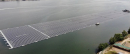
EDPR is spending at once when Sunseap is increasing its impact in the region, specifically with a 2.2 GW project to construct a floating photovoltaic or pv ranch and an energy storage space system in Indonesia's Batam island.
This is in addition to various other local affiliation projects to export renewable resource to power data centres in Singapore.
EDPR has an installed wind and solar ability of 13 GW.
It creates, develops, manages as well as operates nuclear power plant that produce electrical energy from renewable sources and has a visibility in 17 markets in Asia, Europe and America.
With this investment, EDPR will broaden its renewables platform in Asia with Sunseap, enhancing EDPR's footprint in the remainder of the globe and also enhancing the implementation of a portion of its US$ 22bn (EUR19bn) investment plan with 2025.
On top of that, this tie-up will likewise allow understanding transfer from EDPR to Sunseap for the Asian market, consisting of in wind energy while producing possibilities for collaboration in locations of energy storage space as well as green hydrogen.
Sunseap co-founder and also chief executive officer Frank Phuan said: "We are delighted to invite EDP Renewables as a major shareholder.
" Its calculated vision to increase in the renewable energy industry in Asia straightens with Sunseap's goal to assist our customers to decarbonise their work, home as well as play, and also will position us to increase our service prepare for the region.
" With EDP Renewables onboard, we anticipate growing our client base, accomplishing better scale and efficiency via talent gain access to, portfolio diversity as well as mergings and also purchases.".
Sunseap founder and also president Lawrence Wu included: "EDP Renewables is one of the world's leading renewable resource business as well as its investment notes a considerable turning point for Sunseap.
" There is much to do for the Sunseap group in the coming years as well as we are excited to locate a partner that supports our objective, values and passion.
" Their worldwide reach in 17 big markets will also develop opportunities for collaboration as well as collaboration which is crucial to energy change.".
EDP and EDPR president Miguel Stilwell d'Andrade added: "We delight in to partner Sunseap for the Asian markets, developing a really aligned and wholesome platform that enlarges the worldwide reach of EDPR beyond its present markets.
" The technique and vision of Sunseap is an ideal fit to EDPR's leading role within the continuous power change.
" Moreover, it brings regional understanding and a new enhancing society to the company.".
Nov 3, 2021 // Plants, Large-Scale, Commercial, Floating PV, floating PV, Asia, Singapore, Frank Phuan, Lawrence Wu, PV Power Plant, EDPR, Miguel Stilwell d’Andrade
EDPR indications 150-MW solar PPA in Texas
EDPR revealed on Wednesday it will offer the clean electricity under a 15-year power purchase agreement (PPA) to an unnamed off-taker.
The solar park is expected to start creating electricity in 2024.
With this agreement, the renewables arm of Portuguese energy EDP (ELI: EDP) has currently safeguarded around 50% of the 17-GW renewable resource additions target it revealed in March of this year for the 2023-2026 duration.
No further details regarding the PPA or the solar scheme were divulged in journalism release.
The announcement transpires a week after EDPR signed an agreement to sell the output of another solar project with a capacity of 110 MW in Illinois under a 15-year offer.
May 4, 2023 // Plants, Markets & Finance News, USA, PPA, Texas, North America, EDPR