Why Battery-First Design Strengthens the Future of Residential Solar
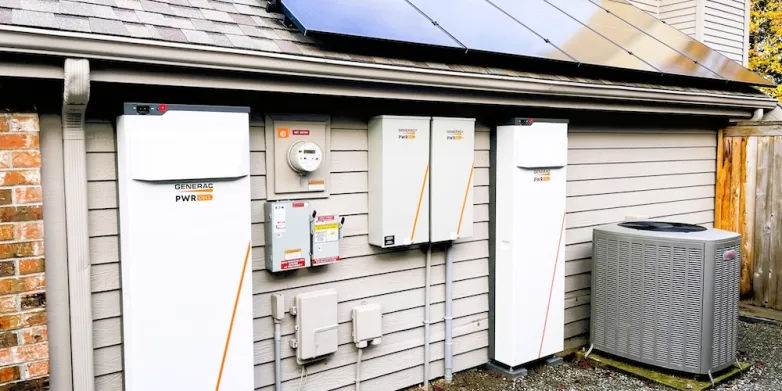
Modern homes now depend on reliable electricity for more of daily life. Home offices, heat pumps, electric cooking, and EVs have changed what homeowners expect from their electrical systems. Solar reduces electricity costs, but pairing solar with home battery backup gives that power a larger role in keeping daily life on track.
Solar generates clean energy, reduces grid dependence, and helps meet daily household demand. When paired with battery backup, that energy can be stored and used when the home needs it most. Battery-first design matches the home’s power requirements with the storage capacity needed to manage changing rate structures and keep essential systems running during grid outages.
Battery-first planning connects solar production, storage, inverter capacity, and load management before the system is built. It starts with the home’s performance needs, then sizes solar production, battery capacity, inverter specifications, and load management around those requirements. Storage and solar become one investment instead of separate equipment.
How Battery-First Design Improves Solar Performance
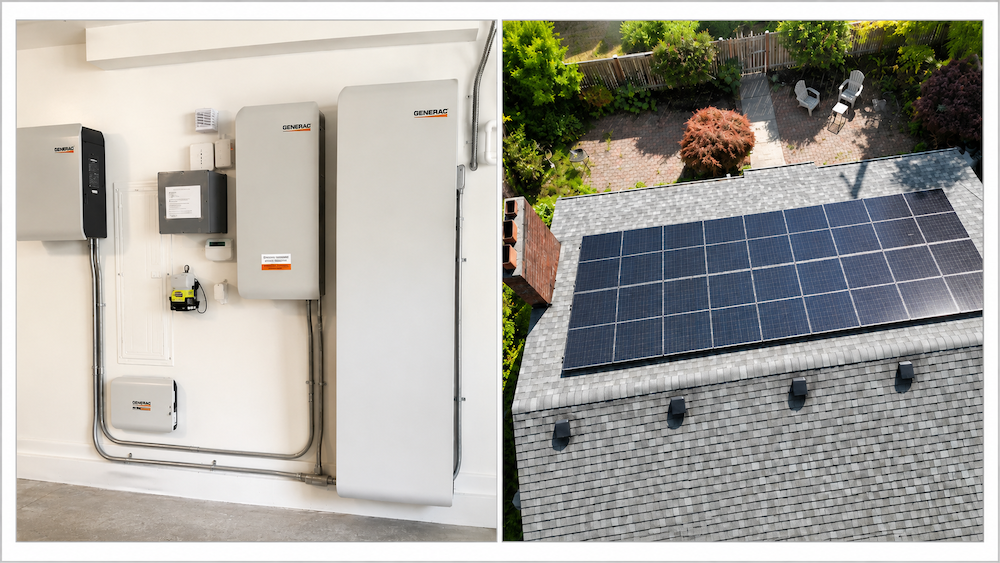
Once the goal shifts from production alone to performance, the solar design has to change. The system begins with battery strategy, not maximum roof coverage. The solar array must account for the home’s daily electrical demand and the battery’s need for dependable recharge.
Panel quantity and annual production still matter. They provide the baseline for how much clean electricity the home can generate. Battery-first design adds another layer of planning before the solar array is finalized. It weighs daily consumption, critical loads, backup priorities, storage capacity, inverter requirements, seasonal solar production, and future electrical loads.
Annual solar output alone does not show how the system will perform when stored power becomes necessary. It does not show which parts of the home will stay powered during an outage, how quickly the battery may drain, or whether solar can replenish stored energy through several days of poor weather.
Homeowners gain a clearer picture of how the system is likely to behave before they need to rely on it. The design process identifies which loads receive backup power, which loads need to be managed, and which loads should remain outside the backup system. It also clarifies whether the homeowner is planning for essential-load backup, broader household comfort, or advanced resilience.
This is important because batteries have limits. They can store only a certain amount of energy and deliver only a certain amount of power at one time. Large appliances, heating systems, pumps, EV chargers, and other high-demand loads require careful planning. When solar and storage are designed together from the beginning, the system is more likely to perform the way the homeowner expects.
What Battery-First Design Looks at Before the System Is Built
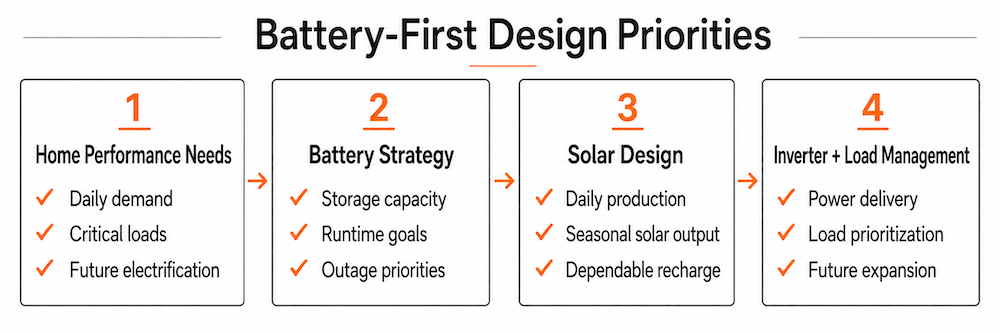
A battery-first approach requires answers to key questions before finalizing the solar array. Which loads are essential during an outage? How long should those loads remain powered? Is the battery intended mainly for backup, rate management, or both? Does the home include a heat pump, EV charger, well pump, electric cooking, or other high-demand equipment that needs to be considered from the beginning?
These questions shape the entire design. A home that only needs refrigeration, lighting, internet, and a few outlets during an outage will require a different strategy than a home expected to support heating, cooking, water systems, or EV charging. Seasonal solar production also matters, particularly in regions where winter output differs from summer production.
Battery-first design brings these decisions into the planning process before equipment is selected. Homeowners understand what the system is designed to support before the equipment is installed. That helps avoid a common problem: a solar system that looks strong on annual production but does not fully support backup power, load control, or future electrification needs.
Solar gains value at this stage. The array still provides clean energy, but the design reflects how that energy gets stored and used. In a battery-first system, kilowatt-hours on a proposal don't tell the whole story. Performance depends on how well solar supports daily demand, battery recharge, and resilience goals.
How Battery-First Design Makes Solar More Valuable
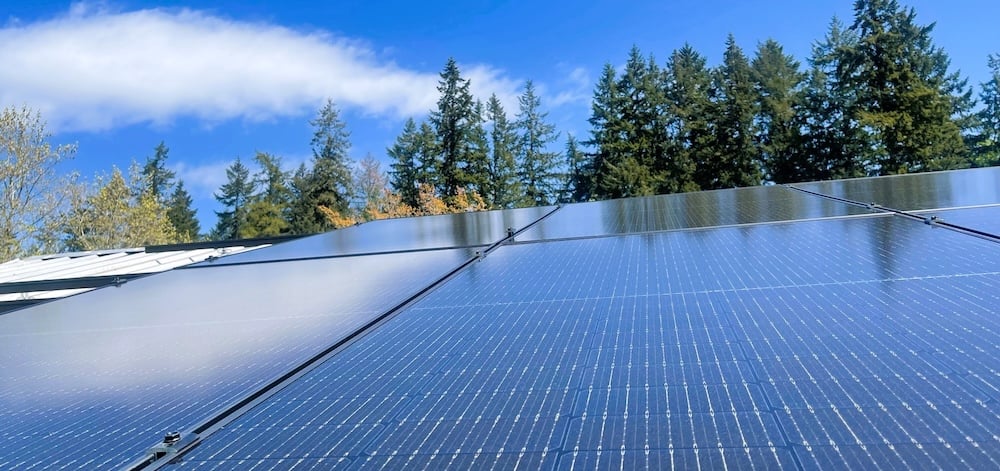
Battery-first design strengthens the case for solar because it increases the usefulness of the energy a system produces. Storage allows homeowners to use more of their solar power for evening demand, peak-rate periods, and backup needs.
Solar does more than reduce bills. It powers a more resilient home energy system. A 2024 NREL report notes that customer demand for backup power is one of the drivers behind residential solar photovoltaic-plus-storage adoption, while also pointing out that backup performance depends on building conditions that are changing with efficiency and electrification trends.
For solar professionals, battery-first planning creates a more substantive conversation with homeowners about how the system should perform. The industry does not need to choose between solar and storage. Design them together, with battery-first planning shaping how solar energy gets produced, stored, prioritized and used.
The Future Is Battery-First, Solar-Powered, and Intelligently Managed
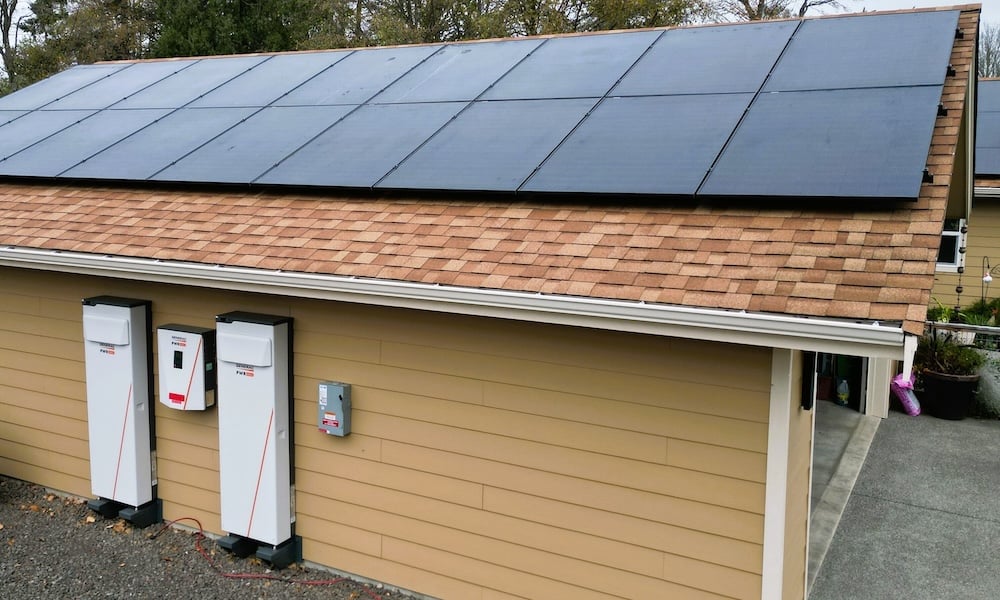
Residential energy is moving beyond treating solar panels and batteries as separate decisions. Solar production, battery storage, inverter capacity, load management, and smart controls work together as one system. Solar creates the power. Batteries preserve and dispatch it. Load management directs it to critical systems.
For homeowners, the benefit is straightforward. A well-designed solar-plus-storage system can reduce utility dependence, support future electrification, improve resilience, and provide more control over how energy is produced and used. As homes electrify, battery-first design makes solar central to household energy planning.
Battery-first design does not replace solar design; it makes solar design more precise. Solar remains the heart of the system, while storage, controls, and load management determine how that energy is reserved, directed, and used.
For homeowners who want a future-ready energy system, the goal is not simply to install panels on a roof. It is to design a complete home power system where solar, storage, and intelligence work together with purpose. Residential energy is moving in this direction, and solar delivers its greatest value when it is designed as part of a complete home power system.
Also read
- Solar PV and Pool Heat Pumps in Australia: How to Reduce Heating Costs Without Oversizing Your System
- World Sustainability Forum Continues Global Impact with WSF-13 and Sustainability Awards in 2027
- How Long Do Solar Panels Actually Last? What BC Homeowners Should Know
- Home Solar Plus Battery Storage on Vancouver Island: What Payback Looks Like in 2026
- Why most AI agent pilots on solar sites never reach production