Scatec Ushers Obelisk 1.1-GW Solar-Storage Online in Egypt
- Scatec powers Egypt’s Obelisk hybrid solar-storage milestone: 1.1 GW solar with 100 MW/200 MWh batteries now online, targeting 3,000+ GWh yearly and cutting 1.2M+ tons CO2.
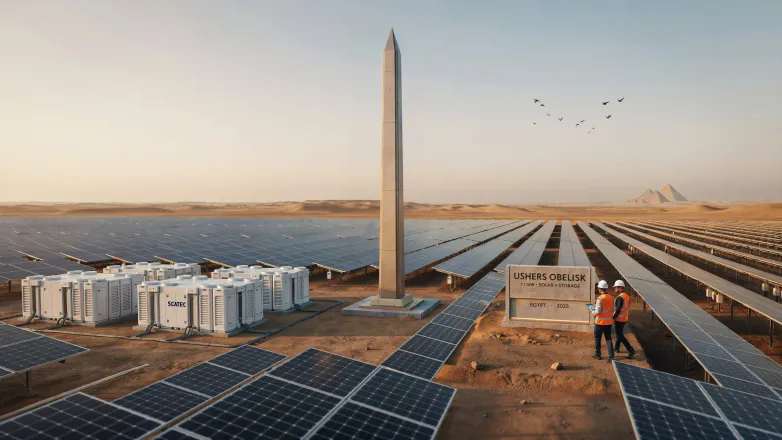
Scatec has reached commercial operation for the second phase of its Obelisk solar-storage project in Egypt, completing a hybrid facility totaling 1.1 GW of solar capacity paired with a 100-MW/200-MWh battery system. The first stage delivered 561 MW of photovoltaic generation alongside the project’s full storage component, while the newly commissioned phase adds 564 MW.
The Obelisk project is designed to generate more than 3,000 GWh of renewable electricity annually and avoid over 1.2 million tonnes of carbon emissions each year. Power will be supplied to the Egyptian Electricity Transmission Company under a 25-year US-dollar denominated agreement. Scatec retains control, with minority investors including the National Bank of Egypt, Norfund and EDF Power Solutions, supported by financing from the EBRD, AfDB, BII and EIB.
What does Obelisk Phase 2’s 1.1GW solar-plus-100MW/200MWh battery mean for Egypt?
- Larger scale of clean power: Adding 1.1GW of solar with a grid-scale battery meaningfully increases Egypt’s renewable generation footprint, reducing reliance on more carbon-intensive sources.
- More reliable solar output: The 100MW/200MWh battery can shift energy from sunny hours to periods of higher demand or lower solar output, helping smooth intermittency that pure solar can face.
- Better grid balancing and stability: By storing and dispatching electricity as needed, the project can support frequency and operational stability on the transmission network, easing stress during peak evening hours.
- Improved peak-time supply: With energy storage sized for several hours of discharge, Obelisk Phase 2 can contribute during the “after-sunset” window when power systems often need firming.
- Higher effective capacity to customers: While solar capacity is weather-dependent, pairing with storage increases the portion of generation that can be delivered on demand, improving deliverability under power-purchase arrangements.
- Signals investor confidence for grid modernization: A battery-backed solar project at this scale encourages further investment in transmission upgrades, grid management tools, and enabling market frameworks for storage.
- Supports Egypt’s decarbonization targets: Scaling firmed renewables helps the country cut emissions more directly than renewables without storage, because more of the generated energy can substitute for fossil generation.
- Potential system cost benefits over time: If the battery reduces the need for short-notice thermal generation or expensive peaker capacity, it can help lower overall operating costs, especially during constrained periods.
- Job creation and local capability building: Construction, commissioning, operations, and long-term maintenance for both PV and batteries create skilled roles and can expand domestic experience in solar-plus-storage technologies.
- A model for future projects across the region: Demonstrating a bankable solar-and-battery structure can make it easier to replicate similar hybrid assets elsewhere in Egypt and adjacent markets.
- Strengthens electricity access and affordability efforts: By increasing the share of controllable renewable power, the project can support a more resilient supply as demand grows, which is important for long-run affordability and energy security.
- Enhances energy security through diversified supply: Increasing domestically produced solar electricity with dispatchable storage reduces exposure to fuel-price volatility and supply disruptions associated with importing or using fuel-based generation.