Solar Pond Filter Pump Buyer’s Guide: What to Know Before Going Fully Solar
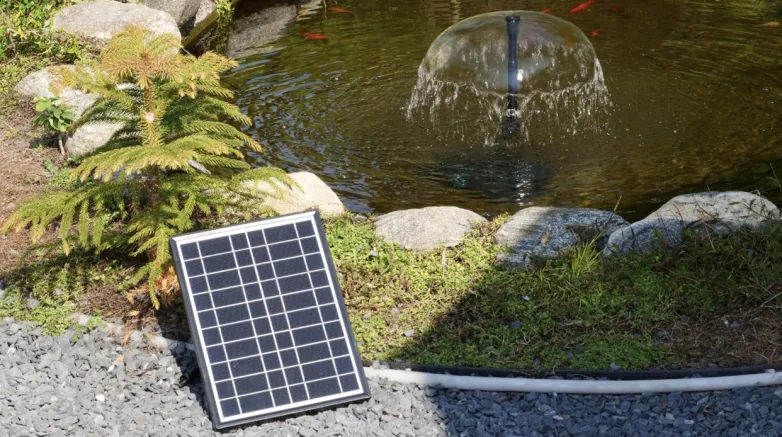
Adding a pond to a garden transforms the space. The movement of water creates a sound, and water clarity ensures that fish thrive in the pond. Many garden pond owners are seeking a solar solution for their water feature. A solar pond filter pump seems to be a simple solution for garden ponds, but before going fully solar, it helps to know what these systems are all about and how they work in a real-life setting.
What Is a Solar Pond Filter Pump
Defining a Solar Pond Filter Pump System
A solar pond filter pump system is a small water system that uses solar power to circulate water from the pond, clean it, and then return it to the pond. A solar panel pump fountain with filter system usually comprises:
-
A solar panel
-
A DC water pump
-
A filter box with filter media
A solar pond filter pump system uses solar power from the sun, which then powers the water pump that draws water from the pond, passes it through the filter, and then returns clean water to the pond.
Sometimes, a solar pond filter pump system comprises a battery that stores energy for later use when there is no sun.
The idea of a solar pond filter pump system is simple: it uses solar power instead of electricity from the wall.
How a Pond Pump and Filter Solar System Works
A pond pump and filter solar system only functions well if there is an adequate source of light from the sun, and the brighter the sun, the stronger the flow of water from the system.
Water circulation is achieved via a pump, which pushes water through a series of filters that hold beneficial bacteria. This bacteria decomposes organic materials that gather inside the pond, such as leaves, dust, and debris. This keeps the water clean.
In addition to filtering water, a solar pond filter pump also oxygenates the water by creating a waterfall or fountain effect. This ensures that fish and plants have access to a sufficient source of oxygen, which prevents the water from becoming stagnant.
Key Features of a Solar Pond Filter Pump
Solar Panel Types and Efficiency
The solar panel converts light into electricity. The size of the panel determines the power output. Higher-wattage panels produce more electricity, which means a stronger pump flow rate.
Most systems use monocrystalline or polycrystalline panels. Monocrystalline panels are more expensive but offer higher efficiency, meaning they can produce power even on cloudy days.
Pump Types and Flow Rates
The pump moves water through the system. It is usually a brushless DC pump, which is more reliable and quieter than brushed models.
The flow rate is measured in gallons per hour (GPH). The flow rate needs to match the volume of the pond. As a rule of thumb, a pond pump should turn over the entire volume of the pond at least once every one to two hours.
Filter Box and Media Types
The filter box houses the filter media, which cleans the water. Most filter boxes contain two types of filtration:
-
Mechanical filtration: Foam pads that trap physical debris like leaves and fish waste.
-
Biological filtration: Bio-balls or ceramic rings that provide a surface for beneficial bacteria to grow.
Both types of filtration are necessary to maintain clear water and a healthy pond environment.
Battery Backups for Continuous Operation
Some solar pond filter pumps come with a battery backup. The battery stores excess energy during peak sunlight hours and uses it to power the pump when the sun goes down or on cloudy days.
Systems without a battery backup will only operate when the sun is shining. If you have fish in your pond, a battery backup is highly recommended to ensure continuous water circulation and oxygenation.
Benefits of Going Solar for Your Pond Filter Pump

Energy Savings and Eco-Friendly Benefits
The most obvious benefit of a solar pond filter pump is that it costs nothing to operate. It uses free energy from the sun, which can save you money on your monthly electricity bill.
It is also an eco-friendly choice, as it reduces your carbon footprint by using renewable energy instead of fossil fuels.
Easy Setup and Safety Around Water
Traditional AC pond pumps require running electrical cords from an outdoor outlet to the pond. This can be dangerous if the cords are damaged or exposed to water.
Solar pond filter pumps operate on low-voltage DC power, which is much safer around water. They are also easier to set up, as there is no need to dig trenches or hire an electrician to install outdoor wiring.
Flexibility in Placement
Since solar pond filter pumps do not need to be plugged into a wall outlet, they can be placed anywhere in your garden. This is ideal for large properties where the pond is located far away from the house or any power source.
Limitations of Solar Pond Filter Pumps
Weather Dependence and Daytime Limitation
The main limitation of a solar pond filter pump is its dependence on weather conditions. If there is no sun, there is no power. This means the pump will slow down or stop working entirely on cloudy days or during the night unless the system has a battery backup.
Lower Power Output Compared to Traditional AC Systems
Solar pond filter pumps generally have lower power outputs than traditional AC systems. They are best suited for small to medium-sized ponds and may not be powerful enough to handle large water volumes or heavy fish loads.
Choosing the Right Solar Pond Filter Pump for Your Garden Pond
Calculating Pond Volume and Choosing the Correct Flow Rate
To choose the right system, you first need to determine the volume of your pond. You can do this by multiplying length × width × average depth × 7.5 to get the total number of gallons.
Once you know the volume, choose a pump with a flow rate that can turn over that volume every one to two hours. For example, a 500-gallon pond requires a pump with a flow rate of at least 250 to 500 GPH.
Assessing Sun Exposure in Your Garden
Solar panels need direct sunlight to function efficiently. Take a look at your garden and find a location for the solar panel where it will receive at least 6 to 8 hours of uninterrupted sunlight daily. Avoid placing the panel under trees or in areas shaded by buildings.
Evaluating Fish Load Requirements
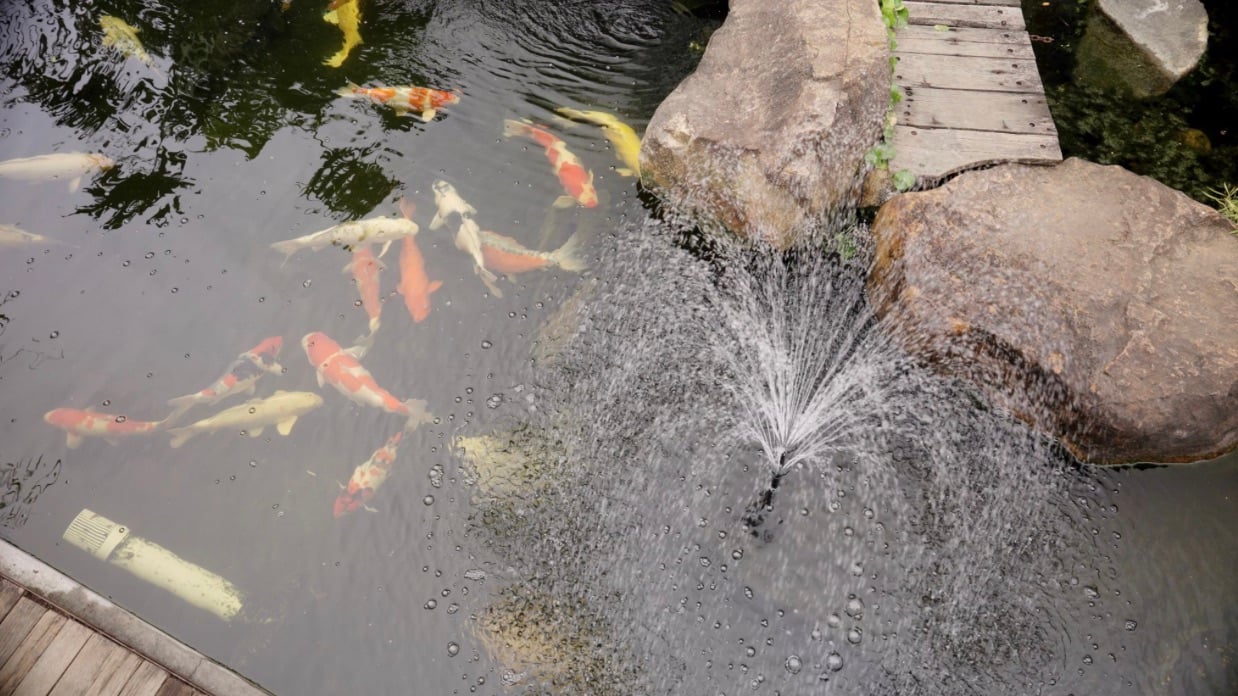
If your pond has a large number of fish, especially koi, which produce a lot of waste, a solar pond filter pump might not be sufficient. If you have a large fish load, then solar power is perfectly adequate only if the system is sized correctly with ample biological filtration and a reliable battery backup.
When Hybrid or Traditional Systems Make More Sense
Hybrid systems might be the way to go if you have a large fish load or a large volume of water.
What is a hybrid system? A hybrid system uses the sun as the power source and electricity as a supplement when necessary. This will give you a stable system.
Traditional AC systems also remain viable options for large koi ponds and other applications.
Why Poposoap Solar Pond Filters Are a Smart Choice
Poposoap Solar Pond Filter Design and Performance
The Poposoap Solar Pond Filter Series is available in different wattage sizes. This will enable you to get the right pump for your pond, depending on the size of the pond.
Easy Maintenance and User-Friendly Setup
One of the issues that might arise when using a DIY system is that the pump and filter might not be the right size for each other.
The Poposoap system, however, is designed as a complete system. The power produced by the panel matches the pump’s requirements. The filter box is also the right size for the flow produced by the pump.
Choosing the Right Poposoap Solar Pond Filter Pump
First, you will need to determine the size of your pond.
You will then need to think about the following:
-
What water circulation you want
-
What height you want your waterfall or fountain to be
-
What amount of sun you get each day
If you are not sure, then you might want to get a pump that is a little stronger than the recommended minimum.
Also read
- How Can You Plan Solar Powered Lighting for a Garden Shed Without Overbuying?
- How Can You Make a Solar Installation Proposal Easier for Homeowners to Understand?
- What Should You Ask About Electrical Connections Before Buying a Home Solar System?
- How Can You Plan Portable Solar Power for a Weekend Away?
- Solar PV and Pool Heat Pumps in Australia: How to Reduce Heating Costs Without Oversizing Your System