Egypt Eyes 3.1GW Sinai Clean-Energy Hybrid Plan
- Egypt’s Ministry reviews a 3.1GW Sinai clean-energy plan by Renergy-led consortium: solar plus pumped-storage hydropower in two phases—boosting renewables, cutting fossil fuel use, and strengthening grid stability.
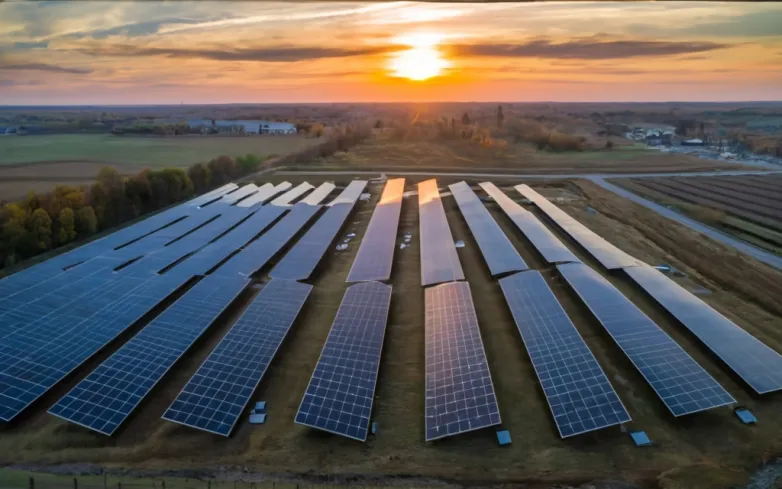
Egypt’s Ministry of Electricity and Renewable Energy has reviewed progress on a proposed 3.1-GW clean-energy project in Egypt’s Sinai Peninsula led by a consortium anchored by Renergy Group Partners. The plan combines solar power plants with a pumped-storage hydropower facility, to be carried out in two phases, and involved meetings with minister Mahmoud Esmat and consortium representatives, including Renergy founder Robert Falk and Madkour Group chairman Mostafa Madkour.
The ministry and partners assessed technical and financial feasibility, grid-connection arrangements, investment needs, local-content requirements, and the project’s potential electricity output. Esmat said the initiative supports Egypt’s renewables expansion and reduced fossil-fuel reliance while improving grid stability, citing pumped-storage hydropower and battery systems. Egypt has added battery storage in the past two years and is advancing pumped hydro at El Tor in South Sinai.
How will Egypt’s 3.1-GW Sinai solar-plus-pumped-storage project progress and benefit the grid?
- Project overview and timeline: The 3.1-GW Sinai development is structured to advance in phases, allowing early delivery of solar capacity while the pumped-storage works move through permitting, land/route approvals, and civil-engineering milestones.
- Phase 1 focus: Likely to prioritize site preparation, grid interconnection studies, and initial solar build-out to start supplying renewable generation sooner, while hydropower components are progressively readied.
- Phase 2 ramp-up: The later phase would concentrate on completing the pumped-storage system and expanding the solar fleet, aiming to convert intermittent solar output into dispatchable power once the storage system is operational.
- Engineering and technical progress: Work typically progresses through front-end engineering and design (FEED), detailed hydrology and reservoir studies for the pumped-storage facility, solar layout optimization, and grid-synchronization planning to validate operational performance.
- Grid-connection development: Interconnection arrangements are expected to include power-flow modeling, protection-system design, and upgrade planning for substations and transmission lines to ensure stable voltage and frequency at the tie-in points.
- Investment and financing readiness: The project’s advancement depends on securing bankable cost estimates, risk allocation for construction and performance, and financing structures suited to large renewable-plus-storage assets.
- Local content and contracting: Progress review commonly includes requirements for domestic procurement (engineering services, electrical equipment packaging, construction participation where feasible) to support local supply chains and workforce development.
- Permitting and compliance: Technical reviews generally feed into environmental and social assessments, permitting for water-related works, and compliance checks that clear the way for procurement and construction.
- Construction sequencing: Solar enabling works (roads, foundations, module mounting infrastructure) can move in parallel with pumped-storage civil works (tunnels, penstocks, intake/outlet structures), reducing overall schedule risk.
- System benefits—peak shaving: Pumped storage can shift daytime solar generation into evening and night demand peaks, lowering reliance on slower, fuel-dependent peaker units during high-demand hours.
- System benefits—renewables firming: By “storing” excess solar output and dispatching it later, the project improves the effective reliability of renewables and reduces curtailment risk during periods of high solar output.
- System benefits—grid stability: The storage facility can provide fast response services that help maintain system balance, supporting frequency control and short-term reliability as solar penetration increases.
- Ancillary services contribution: Beyond energy shifting, pumped storage can be positioned to support spinning/primary reserve needs and emergency support requirements, complementing battery storage already deployed in Egypt.
- Transmission efficiency: Concentrating generation in Sinai with planned interconnection upgrades can improve the dispatch efficiency of renewable resources and reduce congestion impacts elsewhere in the grid.
- Fuel savings and emissions reduction: Replacing part of fossil generation with renewable-plus-storage dispatch can cut fuel consumption and associated emissions, particularly during peak and shoulder hours.
- Operational learning and scaling: Successful completion would provide a replicable template for combining solar with dispatchable storage in Egypt, supporting future project bankability and investment confidence.
- Learning curve for integration: The project’s commissioning and performance testing will help refine operational strategies for coordinating solar output, storage dispatch schedules, and grid constraints under real conditions.