EcoSolar Breaks Capiz Barrier With 20-MW BESS, 90-MW PV
- EcoSolar’s Panitan 20-MW/40-MWh BESS in Capiz—first in the province—moves to testing after permits, boosting Panay–Guimaras–Negros grid stability and pairing with a 90-MWdc solar park.
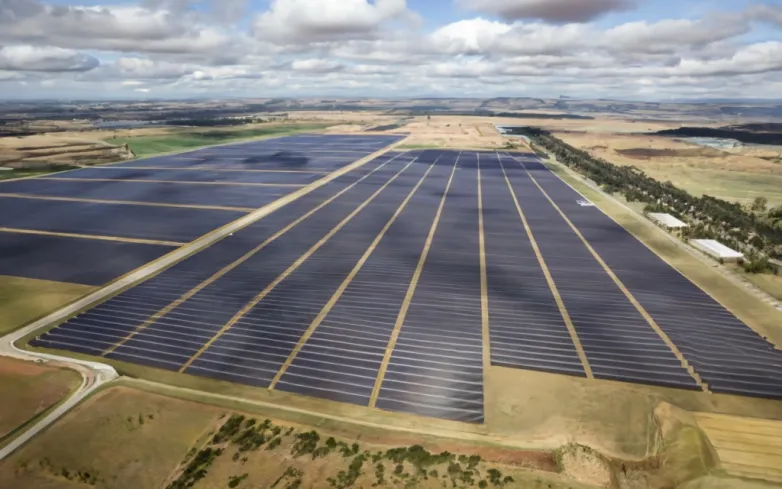
EcoSolar Energy Corporation (ESEC), part of PetroGreen Energy Corporation, has installed a 20-MW/40-MWh battery energy storage system in Capiz. The “Panitan” BESS is the province’s first energy storage site, built in seven months in the Western Visayas. The company has completed mechanical works and will move to testing and commissioning after securing required permits. The project is set to be commissioned in the last quarter of 2026, providing two hours of storage to stabilize the Panay–Guimaras–Negros grid by shifting excess generation to peak demand.
EcoSolar has also received approval to co-locate the battery with a 90-MWdc photovoltaic solar park at the Panitan site, following a service contract to develop the PV farm. Together, the BESS and solar project will mark the first private-sector power supply investment in Capiz in 17 years. PetroGreen said the BESS was supported by a PHP 635.9 million loan secured by EcoSolar last month.
How will EcoSolar’s Panitan BESS and PV co-location stabilize Capiz’s grid by 2026?
- Schedule and operational readiness: By 2026, EcoSolar’s Panitan Battery Energy Storage System (BESS) is expected to complete testing and commissioning after securing the remaining permits, enabling reliable grid performance once operations begin in the last quarter of 2026.
- Peak-shaving to smooth demand swings: The 40 MWh capacity is designed to absorb surplus generation during lower-demand periods and discharge during higher-demand intervals, reducing abrupt load changes that can cause voltage and frequency instability in the Panay–Guimaras–Negros grid.
- Short-term reliability support (two-hour shifting): With energy storage that can cover about two hours of shifting, the BESS can help bridge the gap between when renewable output and electricity demand are not aligned—improving stability during peak hours.
- Smoother integration of solar generation: Co-locating the BESS with the 90 MWdc Panitan PV plant allows the battery to buffer the variability of solar power (e.g., passing clouds and daily ramping), translating PV intermittency into a steadier net power supply for the grid.
- Faster response for grid disturbances: A battery system can react quickly compared with conventional generation dispatch, helping manage sudden disturbances such as rapid changes in generation availability or demand spikes, thereby stabilizing grid conditions more effectively.
- Reduced curtailment and better utilization of renewables: Storing excess solar energy when output is high and delivering it when output drops can lower the need to curtail PV generation, keeping more renewable electricity available while maintaining grid stability.
- Improved grid performance across a wider islanded area: By supporting the Panay–Guimaras–Negros interconnected grid, the Panitan BESS and PV co-location can provide stabilization benefits that extend beyond one locality, strengthening overall system resilience as renewable penetration increases.
- Strengthening private-sector supply reliability: As a new private-sector investment after a long gap, the Panitan facility adds dispatchable energy support through storage, complementing the grid’s existing generation mix and improving dependability by 2026.