Singapore Targets 4 GWp of Solar by 2035 and 1 GWh of Storage by 2030
- Singapore set a 4-GWp solar target for 2035 and aims to lift energy storage from about 350 MWh to just over 1 GWh by 2030.
- Peak demand of 8.6 GW could reach 9.9 GW to 13 GW by 2031 as chip plants, data centres and electric transport add load.
- EMA is taking storage proposals from industry until Jan. 29, 2027, and projects up to S$5.3 billion of grid spending in 2025–2029.
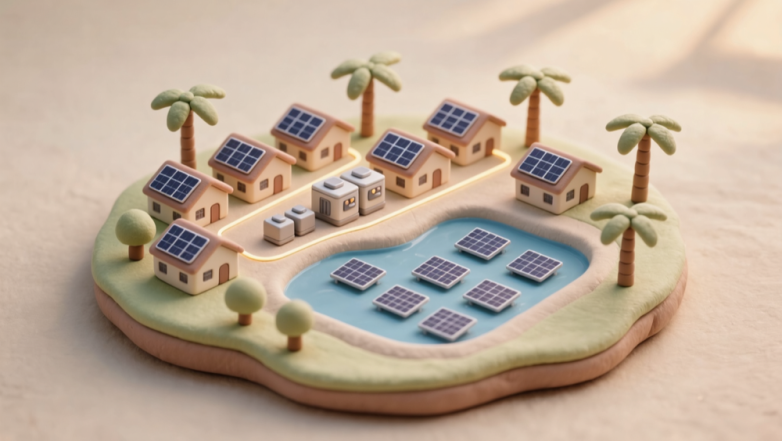
Singapore set a 4-GWp solar target for 2035 and plans to grow energy storage from about 350 MWh to just over 1 GWh by 2030, the Energy Market Authority said on Oct. 26. Both goals sit in a five-year energy infrastructure plan.
The city-state has 2.3 GWp of solar and is on track for 3 GWp by 2030. EMA raised that 2030 goal from 2 GWp after Singapore hit the lower figure early, its solar page says. New panels will go on reservoirs, vacant land and rooftops.
Demand drives the plan. Peak demand stood at 8.6 GW in August. It could reach 9.9 GW to 13 GW by 2031 as chip plants, data centres and electric transport add load. Natural gas meets around 95% of Singapore's electricity needs, and five new gas-fired plants will start up between 2026 and 2031.
Singapore's energy plan in numbers
- 4 GWp of solar targeted for 2035, up from 2.3 GWp today: another 1.7 GWp, or 74% more (list.solar calculation).
- 2.9 times today's 350 MWh is needed to reach 1 GWh of storage by 2030 (list.solar calculation).
- 326 MWh sits in a single battery on Jurong Island, deployed in 2022; homes and businesses hold about 18 MWh, EMA estimates.
- 200 MWh was the 2025 storage goal in the Singapore Green Plan 2030, met in December 2022. The new aim is five times larger (list.solar calculation).
- S$5.3 billion ($4.1 billion) is the most Singapore expects to invest in the power grid in 2025–2029, 11 times the previous five years (USD conversion: list.solar calculation).
- Up to 2 GW could flow through a second link with Peninsular Malaysia by 2030 if it is built; feasibility studies are under way. The existing link carries up to 1 GW.
A separate EMA release opened an industry consultation on storage. It asks companies for technologies, business models and projects that can be deployed commercially at scale. It also seeks feedback on rules and infrastructure constraints that hold back energy storage.
"We would like to partner companies to turn promising ideas into commercially viable energy storage solutions that can be deployed at scale," EMA Chief Executive Puah Kok Keong said in a statement.
Proposals and comments are due by Jan. 29, 2027. EMA is also gauging interest in an industry-led Energy Storage Workgroup and will develop requirements for how storage systems operate, including central control when needed.
Also read
- Ember Says Battery Subsidy Could Add 15–25 GWh to India's Rooftops
- GIGA Storage Secures €260 Million for 1,400-MWh Battery in Germany
- BW ESS Secures Debt for 1,424-MWh Hams Hall Battery in England
- Australian Batteries Overtake Gas in Evening Peak With 8% Share
- EU Ends 12-Year Duties on Chinese Solar Glass With No EU Maker Left