RP Global Starts Croatia’s First Pag Solar Output
May 26, 2026 08:28 AM ET
- RP Global’s 21-MWp Novalja solar farm powers up on Pag island, delivering Croatia’s first operating RP Global installation—boosting summer stability, cutting losses, and moving from development to commercial output.
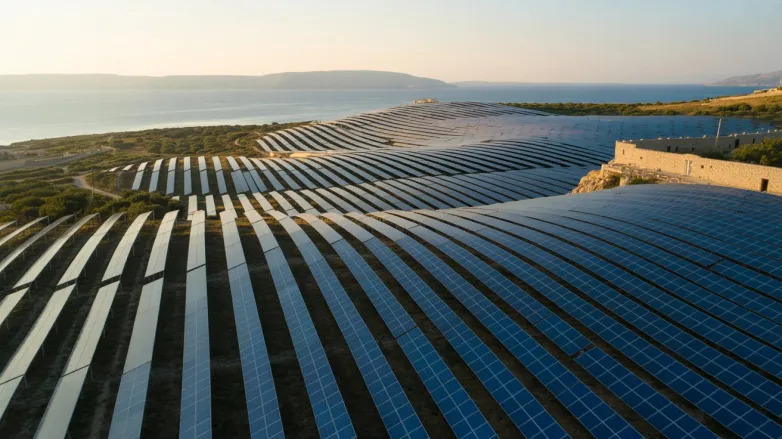
RP Global has commissioned its 21-MWp Novalja solar farm on Croatia’s Pag island, bringing the company’s first operating solar installation in the country online. The independent power producer said the project has been energized, marking a shift from development to commercial output.
RP Global highlighted the advantages of island-based generation, including reduced network losses by producing near local demand and better support for supply stability during Croatia’s peak summer tourism season. The firm noted that once the plant reaches commercial operation, it will focus on operational performance such as monitoring, rapid fault response, vegetation management, and cleaning strategies suited to coastal conditions.
What does RP Global’s energized 21-MWp Novalja solar farm mean for Croatia’s island power?
- The energization of RP Global’s 21-MWp Novalja solar plant adds new utility-scale renewable generation directly onto Croatia’s Pag island network, reducing how much electricity must be imported from the mainland during high-demand periods.
- By producing power close to where it is consumed, the island grid can suffer less from long-distance transmission losses and grid strain—an issue that becomes more pronounced in summer when tourism pushes demand up.
- The project is an operational milestone for Croatia’s islands because it demonstrates that commercial solar capacity can be brought online and connected at scale, not only developed on paper.
- More local generation helps improve supply resilience during peak season by widening the range of available generation sources for the island operator.
- While solar output varies through the day and weather conditions, having additional renewable capacity can complement other island resources and reduce reliance on more carbon-intensive backup generation.
- The commissioning to “energized” status is a practical step in moving from construction to real-grid performance testing, grid synchronization, and operational readiness—key for island systems where technical margins can be tighter.
- The plant’s coastal siting increases the value of local operating know-how (for example, managing dust, salt exposure, and vegetation) to keep output high in the conditions where island assets must perform.
- If the project achieves stable availability and predictable production, it strengthens the business case for further island solar buildouts and supports longer-term planning for integrating variable renewables.
- For Croatia’s island power strategy, this energized facility represents incremental progress toward a cleaner generation mix on islands, which can translate into lower emissions, improved air quality locally, and reduced exposure to fuel-price volatility.
Also read
- Sichuan's First 100-MW Tower CSP Plant Wins Environmental Approval
- CHN Energy Switches On 120-MWh Battery at Rudong Solar-Hydrogen Hub
- Whyalla West Tender Picks Four Bids for Nearly 13 GW of Wind and Solar
- ACME Solar Signs 300-MW Solar-Storage Peak Power PPA With SECI
- Westbridge to Exit Alberta Red Willow Solar-BESS