REV Renewables Secures Maryland 300-MW Solar PPA
Aug 28, 2026 02:48 PM ET
- Maryland greenlights a 20-year PPA for a 300-MW western solar project, securing ~250 GWh annually—boosting long-term clean power and helping meet rising electricity demand.
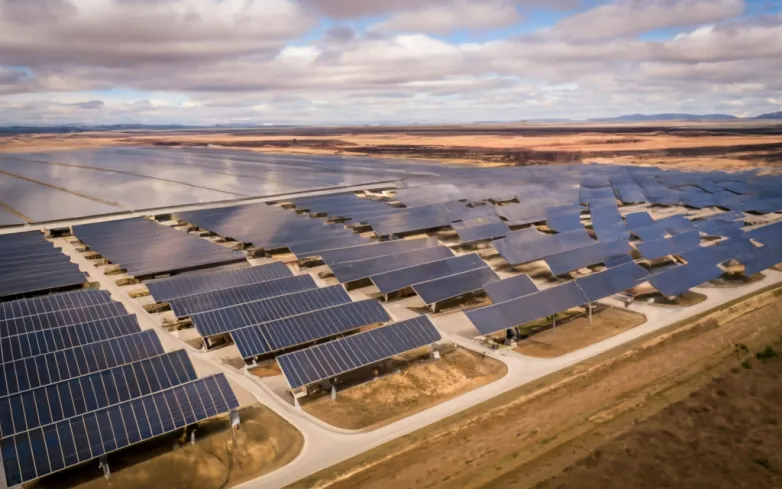
REV Renewables said Maryland has approved a 20-year power purchase agreement for a planned 300-MW solar project in western Maryland. Under the deal, the state will procure about 250 GWh of electricity annually.
The arrangement supports long-term supply commitments for the solar facility, with the PPA running for two decades. The project’s expected output would help meet Maryland’s electricity needs as the state continues expanding renewable generation.
How does Maryland’s 20-year 300-MW solar PPA ensure 250 GWh annual power supply?
- The contracted volume is set as an annual “energy offtake” target: the 300 MW solar project is obligated (through the PPA’s metered delivery terms) to supply enough electricity over each contract year to collectively meet an expected ~250 GWh.
- The expected production is based on typical utility-scale solar performance in Maryland, where a 300 MW facility at an average capacity factor (reflecting sunlight, seasonal variation, and system deratings) translates into roughly 250 GWh per year.
- The 20-year duration locks in long-term procurement, meaning Maryland plans its electricity portfolio and renewable supply schedules using a steady, bankable stream of contracted generation rather than relying solely on spot-market output.
- The PPA’s pricing and payment framework is tied to delivered energy (and often includes mechanisms for measurement and verification), aligning revenue with actual MWh delivered to the grid rather than just installed capacity.
- Metering and delivery provisions define how output is measured (e.g., at defined points of interconnection), which helps ensure the contracted GWh figure is tracked consistently year to year.
- Grid and operational rules in the agreement (such as curtailment handling, dispatch/availability requirements, and forecasting) are used to translate the plant’s real-world generation into the contracted annual energy figure.
- Performance and availability requirements (and related remedies/adjustments) are typically included to keep yearly deliveries close to the forecast needed to reach the ~250 GWh target.
- The supply obligation from the solar resource is used as part of Maryland’s broader clean-energy planning, helping replace or reduce higher-emitting generation while the state adds additional renewable capacity over time.
Also read
- EBRD Arranges $265 Million for Egypt's 1.2-GW Nefer Minya Solar Plant
- Sichuan's First 100-MW Tower CSP Plant Wins Environmental Approval
- CHN Energy Switches On 120-MWh Battery at Rudong Solar-Hydrogen Hub
- BloombergNEF Sees $332 Billion Copper Gap as Metal Shortages Ease
- Whyalla West Tender Picks Four Bids for Nearly 13 GW of Wind and Solar