MCA Opens Africa’s Largest Off-Grid Solar-BESS Park in Angola
May 7, 2026 05:00 PM ET
- MCA just unveiled Africa’s biggest off-grid solar-plus-storage project: a 31.9MW solar plant with batteries in Angola’s Lobito Corridor—bringing steadier power where the grid can’t.
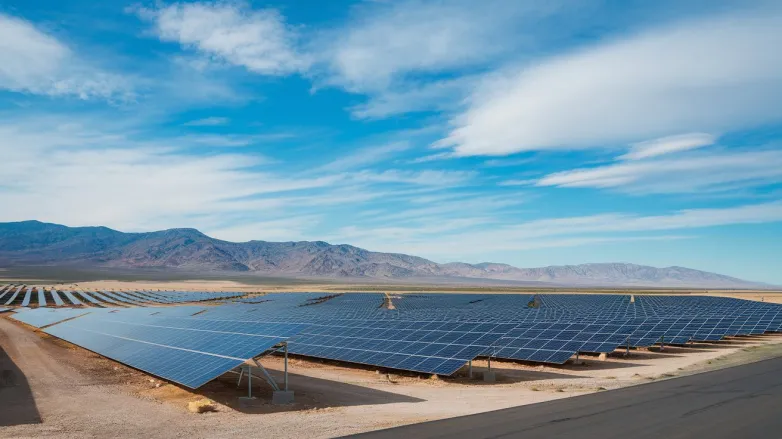
Portugal-based energy engineering firm MCA has cut the ribbon on what it says is Africa’s largest off-grid solar-plus-storage project: a 31.9-MWp solar plant in Angola’s Lobito Corridor.
MCA’s Millennium Challenge Account-developed facility pairs solar PV with battery storage to deliver more reliable electricity in areas without dependable grid infrastructure, underscoring the growing deployment of hybrid solar-BESS systems across the continent.
How does MCA’s 31.9-MWp Lobito solar-plus-storage boost Angola off-grid power?
- Delivers firm, dispatchable power in Angola’s Lobito Corridor by pairing 31.9 MWp of solar generation with battery storage, helping smooth out day-night and weather-driven variability that pure solar can’t handle on its own.
- Improves power quality and continuity for off-grid communities and facilities by reducing outages and voltage swings, supporting steadier operations for households, clinics, schools, and small commercial loads.
- Reduces dependence on costly, logistically challenging backup generation (often diesel) in underserved areas, cutting fuel consumption, delivery risks, and long-term operating expenses.
- Enables microgrid-style service: solar can run as the primary energy source while batteries provide rapid power during peak demand periods or when solar output drops.
- Supports greater renewable penetration by letting operators shift energy use—storing excess midday electricity and releasing it later—so more clean power is consumed locally rather than curtailed.
- Enhances resilience against grid instability and supply shocks by providing a local generation-and-storage resource that can operate independently where grid infrastructure is weak or absent.
- Helps meet demand growth more flexibly: storage allows capacity to be “stretched” to cover critical loads during evenings, nighttime, and seasonal low-sun periods.
- Contributes to energy access and development outcomes by creating a more dependable electricity baseline for productive activities that typically stall without reliable power.
- Reinforces confidence in solar-plus-storage as a scalable off-grid pathway across Africa, demonstrating a model that can be replicated for other sites with similar constraints.