Druk Green, Hira Power Eye 500-MW Solar in Bhutan
- Druk Green Power and Hira Power & Steels sign an MoU to explore a 500‑MW solar project in Bhutan—site studies, feasibility work, and broader renewable cooperation to diversify beyond hydropower.
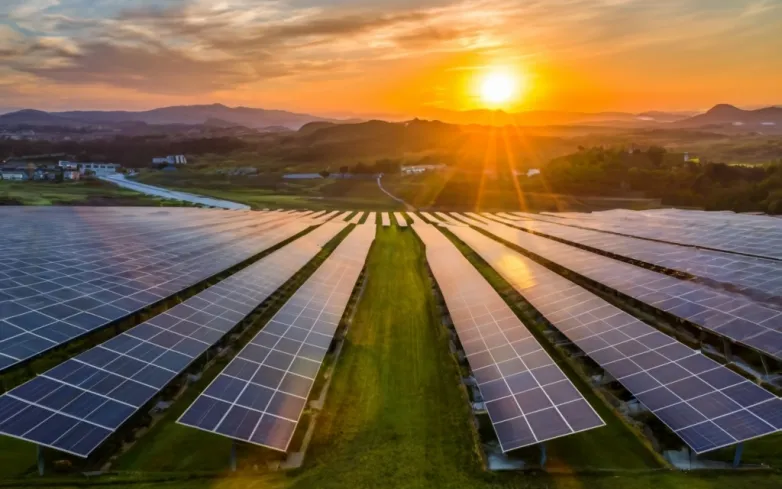
Druk Green Power Corporation has signed a memorandum of understanding with India-based Hira Power & Steels Limited to explore joint solar development in Bhutan. The deal centers on a proposed 500-MW photovoltaic project and sets a framework for broader cooperation. It follows Hira Power & Steels’ earlier expression of interest submitted to Druk Green Power for the 500-MW scheme.
Under the memorandum, the companies will evaluate potential project sites, identify collaboration opportunities, and conduct feasibility studies for prospective solar installations. Druk Green Power, Bhutan’s largest electricity utility and a subsidiary of Druk Holding and Investments, develops and operates hydropower and other renewables as it seeks to expand its renewable portfolio and diversify generation beyond hydropower. Hira Power & Steels makes manganese alloys in India.
What does the proposed 500-MW joint solar deal mean for Bhutan’s renewable expansion?
- Diversifies Bhutan’s generation mix by adding utility-scale solar alongside hydropower, reducing long-term concentration risk in a mostly hydro-based system.
- Expands renewable capacity in a scalable way: a 500-MW project provides a clear benchmark for future solar procurement and grid planning.
- Strengthens energy security and reliability by complementing seasonal hydropower output with solar generation during daylight hours, which can help smooth supply variability.
- Supports Bhutan’s decarbonization pathway by enabling additional clean electricity generation that can substitute for any electricity imports or fossil-based backup needs.
- Builds institutional and technical capability through feasibility studies that typically cover site selection, grid interconnection, dispatch considerations, and operational readiness for solar plants.
- Creates a framework for future cooperation beyond the initial 500 MW, making it easier to pursue additional phases, replications at new sites, or related renewable infrastructure.
- Opens avenues for investment and partnership models: bringing an India-based private firm into early-stage development can accelerate deal structuring, procurement planning, and financing discussions.
- Signals growing cross-border interest in Bhutan’s power sector, potentially improving confidence among other developers and suppliers looking at the Bhutan market.
- Encourages more systematic land, permitting, and environmental review planning—because large PV projects require careful assessment of terrain, water use, biodiversity impacts, and community considerations.
- Helps the national grid and utilities prepare for higher shares of variable generation by requiring studies of intermittency, forecasting needs, and potential storage or grid upgrades.
- Offers opportunities for local value creation indirectly (and depending on project design), such as construction services, engineering support, logistics, and training for solar operations and maintenance.
- Reinforces Bhutan’s strategy to broaden its renewable portfolio and long-term development outlook, using solar as a complement to existing hydro assets rather than a replacement.
Also read
- Sichuan's First 100-MW Tower CSP Plant Wins Environmental Approval
- CHN Energy Switches On 120-MWh Battery at Rudong Solar-Hydrogen Hub
- BloombergNEF Sees $332 Billion Copper Gap as Metal Shortages Ease
- Whyalla West Tender Picks Four Bids for Nearly 13 GW of Wind and Solar
- ACME Solar Signs 300-MW Solar-Storage Peak Power PPA With SECI