Britain Legalizes Plug-In Solar: Savings Ahead
Aug 27, 2026 02:29 PM ET
- Great Britain now allows legal purchase and use of plug-in solar panels. From Aug. 27, eligible homes could cut electricity bills by up to £110 a year—new regional data released.
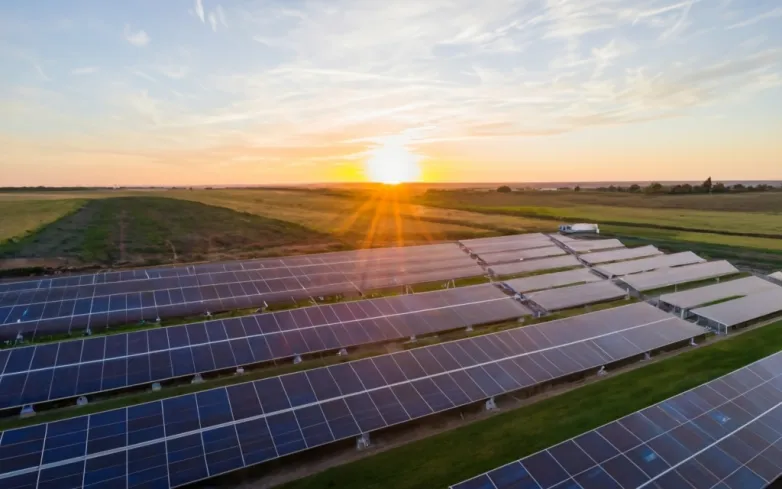
From today, Aug. 27, plug-in solar panels are legal to buy and use across Great Britain, following a government change that removes restrictions on the technology. The Department for Energy Security and Net Zero said the move allows households to install eligible plug-in systems without the same regulatory barriers previously applied, aiming to expand access to solar generation.
The government also published a regional breakdown of expected take-up and potential savings. It estimates households could save up to £110 a year on electricity bills, depending on usage and eligibility.
What does Britain’s ban removal mean for plug-in solar adoption and bill savings?
- The ban removal means plug-in solar becomes easier and faster for households to adopt, since buyers should face fewer regulatory hurdles when purchasing eligible systems in Great Britain.
- Faster, broader availability is likely to reduce decision friction (fewer compliance worries and simpler “can I install this?” questions), which can boost early adoption rates.
- Plug-in solar adoption may grow most where households have easy access to suitable installation points (e.g., areas where landlords, homeowners, or local setups are more likely to accommodate eligible systems).
- Bill savings prospects are expected to improve for participating households, with government estimates suggesting savings could reach up to £110 per year depending on usage, system eligibility, and how much solar electricity replaces grid power.
- Savings will typically be greatest for homes that can use more electricity during daylight hours (for example, higher daytime usage or shifting suitable loads to daytime) because that maximizes the proportion of generation self-consumed.
- The “up to £110” figure is a ceiling rather than a guarantee; actual savings will vary by household energy use, roof and shading conditions (or other siting factors for eligible setups), and whether the installation meets eligibility requirements.
- Greater uptake across regions is expected to increase overall competition and market momentum, which can help drive more attractive pricing and clearer product choices for consumers over time.
- By widening access to eligible plug-in systems, the policy change may also lower the effective payback period for some households, making solar a more financially appealing option for renters and homeowners who were previously deterred by regulatory uncertainty or barriers.
- The regional take-up and savings outlook indicates that adoption is not uniform; areas with stronger predicted take-up could see more households reducing bills sooner, while other regions may ramp up more gradually as supply, installer awareness, and consumer uptake grow.
Also read
- Singapore Targets 4 GWp of Solar by 2035 and 1 GWh of Storage by 2030
- EU Ends 12-Year Duties on Chinese Solar Glass With No EU Maker Left
- EU Innovation Fund Selects Holosolis 5-GW Solar Factory in €3.4B Round
- Whyalla West Tender Picks Four Bids for Nearly 13 GW of Wind and Solar
- Trump Bars Foreign Electric Grid Equipment in U.S.