Vattenfall Cuts Solar Embodied Emissions With Low-Carbon Steel
May 27, 2026 10:09 AM ET
- Vattenfall is building its first German solar farm with low-emission steel to slash embodied carbon from materials—going beyond electricity emissions by boosting traceability and meeting rising financier requirements.
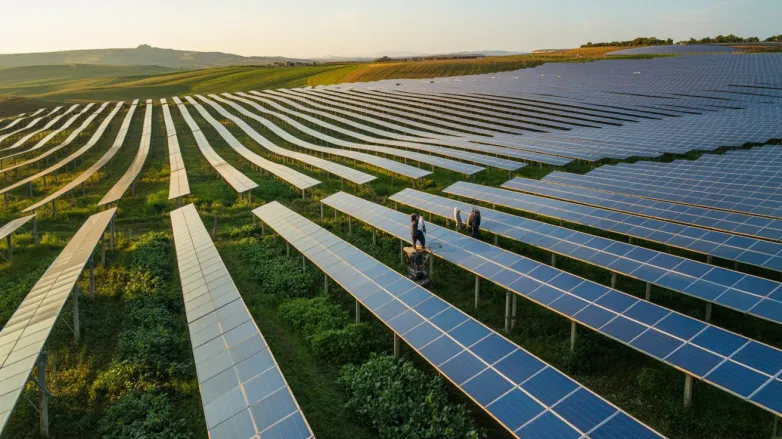
Swedish state-owned utility Vattenfall said it is building its first solar farm in Germany using low-emission steel for the substructures that support photovoltaic modules. The company aims to cut the project’s embedded or “upfront” carbon from materials, not just emissions from electricity generation.
Vattenfall noted that embodied emissions in solar plants often come from modules, inverters, and metals such as steel and aluminium. By switching steel suppliers, developers can reduce lifecycle footprints that corporate buyers and financiers increasingly track, including beyond Scope 2 power, with stronger requirements for material carbon and traceability.
How will Vattenfall’s low-emission steel solar farm cut embodied carbon in Germany?
- Low-emission steel replaces conventional structural steel in the substructures that hold the photovoltaic (PV) panels, reducing the CO2e released during steelmaking (the biggest “materials” hotspot for many PV support structures).
- Using steel sourced from processes with lower fossil emissions (e.g., routes that use less coal-based reduction) lowers the embodied carbon associated with extracting, processing, and manufacturing the metal used across the farm’s lifetime.
- The project reduces “upfront” (embodied) emissions counted before the system ever generates electricity by targeting the carbon footprint of the built assets—especially the steel fraction—rather than only the operational emissions of power generation.
- Vattenfall’s procurement approach emphasizes verified carbon performance from suppliers (such as product-level environmental declarations and life-cycle data), improving confidence that the steel used has lower cradle-to-gate emissions.
- Better traceability on material carbon helps corporate buyers and lenders apply stricter due diligence to project footprints, including beyond Scope 2, where embodied emissions in assets like steel can be material to reporting.
- Embodied-carbon cuts scale because support structures require substantial tonnage of steel; even modest reductions in kg CO2e per tonne translate into meaningful total reductions for a whole utility-scale installation.
- The farm’s design choice links materials accounting to financing and reporting practice: lower-carbon steel can reduce the life-cycle “build” segment that is often captured in sustainability requirements and internal carbon accounting for solar procurement.
- By addressing the steel portion of PV plant materials, the project complements carbon reductions from other components (modules, inverters, and balance-of-system items), shifting the overall footprint downward even if operational electricity is already low-carbon.