Recurrent’s 360-MW Solar-BESS Cleared in NSW
- NSW’s IPC has approved Recurrent Energy’s 360MW Sundown Solar Farm with a 150MW/600MWh battery—set to power 144,000 homes near Inverell after road, dust, and mitigation conditions.
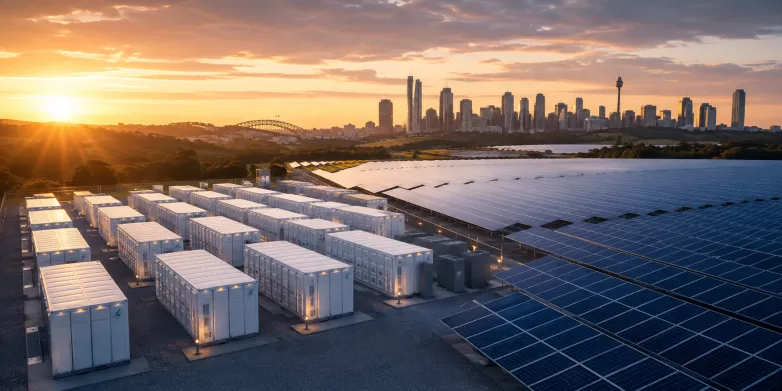
New South Wales’ Independent Planning Commission approved the 360-MW Sundown Solar Farm, a solar-plus-battery project backed by a Recurrent Energy subsidiary. The approval came with conditions covering road upgrades, dust control, and site-specific mitigation. The IPC said the facility aligns with the state’s strategic planning framework and is expected to bring economic benefits to the New England region. The plan attracted 128 objections during the state’s public exhibition process.
The project will be built about 30 kilometers east of Inverell in the New England Renewable Energy Zone, using 660,000 photovoltaic panels. It is designed to power roughly 144,000 local homes and will be paired with a 150-MW/600-MWh battery energy storage system. Sundown SF Subco Pty Ltd is owned by Recurrent Energy, which is a subsidiary of Canadian Solar. Construction is expected to take 21 months.
What conditions did NSW IPC set for the Sundown Solar Farm and battery approval?
- Deliver upgrade and maintenance works to nearby roads and intersections affected by construction traffic, including managing haulage routes and timing to minimise disruption
- Prepare and implement traffic management plans (vehicle movements, speed limits, signage, and temporary works) for the construction period
- Apply dust and air-quality controls during all earthworks and construction activities (e.g., suppression/monitoring and responsive actions when conditions change)
- Put in place sediment and erosion controls to prevent runoff and protect waterways and drainage lines during construction and operation
- Manage stormwater through approved site water and drainage designs, including controls for extreme weather events
- Control construction-phase noise and vibration with defined operational limits and work practices to reduce impacts on nearby sensitive receivers
- Implement a site-specific environmental management framework (often including an Environmental Management Plan and related sub-plans) covering construction and operational risks
- Undertake fauna and vegetation protections, including measures to minimise impacts to habitat and to manage weeds and invasive species
- Address biodiversity outcomes through mitigation measures matched to the site constraints and any required avoidance of higher-value areas
- Require handling of Aboriginal and cultural heritage considerations, including assessments where needed and procedures for dealing with unexpected finds
- Manage visual and light impacts from the solar arrays and battery infrastructure, including glare/reflectivity and screening where appropriate
- Include battery-specific safety requirements such as fire-risk controls, emergency response arrangements, and operational safeguards aligned to the proposed storage design
- Set conditions for ongoing compliance and reporting to the NSW regulator, including incident notification and audits/verification of mitigation measures
- Specify decommissioning and rehabilitation obligations so disturbed land is restored and infrastructure is removed or made safe at end-of-life
Also read
- BW ESS Secures Debt for 1,424-MWh Hams Hall Battery in England
- Australian Batteries Overtake Gas in Evening Peak With 8% Share
- Enel Colombia Completes 985-MWdc Solar Complex as Atlántico Starts Up
- Cosin Solar Tops Out Two 199-Meter Towers at 350-MW Golmud CSP Plant
- Peak Energy Raises $108 Million as GM Ventures Leads Sodium-Ion Round