Enery Launches Nokian-Tied 54-MW Solar in Romania
- Enery inaugurates a 54MW solar park in Romania’s Dâmbovița County—its first fully built and operated in-country asset—powering Nokian Tyres and boosting Europe’s clean energy growth.
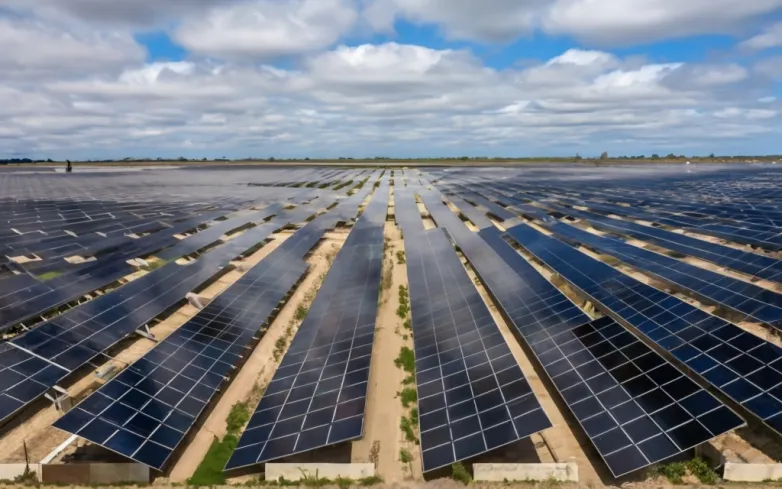
Enery, an Austria-based renewable power producer, has formally inaugurated a 54-MW solar park in Romania’s Dambovita County. The project is Enery’s first fully developed, built and operated solar asset in the country.
The plant includes a long-term power arrangement with Finnish tyre maker Nokian Tyres, which will use the electricity as part of its sustainability and renewable energy strategy. The opening reflects continued corporate demand for clean power and growing investment in utility-scale renewables across Europe. Romania, where electricity demand and solar resources have attracted developers, is adding new low-carbon generation capacity to support its decarbonization goals. Enery plans further expansion in Romania and other Central and Eastern European markets.
How will Enery’s Romania 54-MW solar park and Nokian Tyres deal impact renewables demand?
- Enery’s 54-MW solar park increases near-term renewable supply in Romania, helping cover incremental power needs without additional fossil generation.
- By structuring a long-term offtake with Nokian Tyres, the deal converts corporate sustainability goals into bankable demand for clean electricity, improving revenue visibility for future solar projects.
- Industrial offtakes like this tend to pull forward additional utility-scale renewables, since large buyers create predictable demand signals for developers and lenders.
- Nokian Tyres’ planned use of the electricity can accelerate “green power” procurement across manufacturing, encouraging other industrial firms in Romania and the region to sign similar contracts.
- The agreement supports Romania’s broader decarbonization push by displacing carbon-intensive generation during periods when the solar plant is producing.
- Expansion of utility-scale solar capacity strengthens the supply side of Romania’s renewable mix, reducing system pressure during peak demand moments when solar generation aligns with consumption patterns.
- Corporate demand for renewables can reduce market volatility for new projects by shifting some electricity exposure from merchant sales toward contracted streams.
- Deals with European manufacturers reinforce cross-border investment confidence, which can translate into more development activity in Central and Eastern Europe beyond Romania.
- As more firms follow this model, renewables demand can shift from short-term purchases to longer-dated contracts, strengthening the pipeline for additional capacity additions.