ACEN Nears 1GW Solar-Storage Power in Zambales
Jul 28, 2026 07:25 AM ET
- ACEN’s nearly 1GW Zambales solar-plus-battery push makes Central Luzon a rising clean-energy hub, boosting grid reliability by storing surplus power and dispatching it when demand peaks.
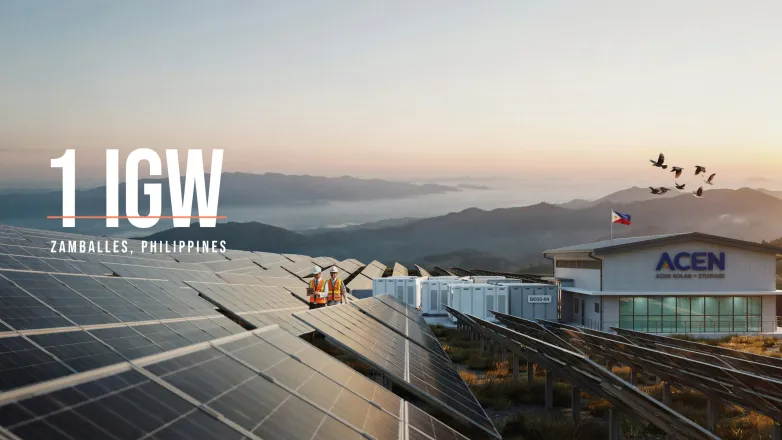
ACEN Corp, the Ayala Group’s energy platform, said it is delivering nearly 1 GW of solar and battery projects in Zambales, positioning the province as one of the Philippines’ largest clean energy hubs in Central Luzon. The portfolio includes multiple utility-scale solar plants paired with battery energy storage.
ACEN said the hybrid facilities will boost grid flexibility and reliability by storing surplus solar power and dispatching it during higher-demand periods. The investments are part of ACEN’s broader push to expand renewable capacity and support the Philippines’ shift to a cleaner, more resilient power system as solar penetration rises.
How will ACEN’s 1GW solar-plus-storage projects in Zambales strengthen the grid?
- Improves power reliability by smoothing day-to-night fluctuations from solar generation, reducing the risk of supply gaps during evening peak demand.
- Strengthens grid stability through faster, controllable battery output that can respond to sudden changes in load or renewable output.
- Enables more solar to be connected and operated without stressing transmission and distribution systems, supporting higher renewable penetration in Zambales and Central Luzon.
- Reduces curtailment of excess daytime solar by capturing surplus energy in batteries and releasing it later when generation is needed.
- Supports peak-demand management by dispatching stored energy during high-demand hours, helping defer or lessen pressure on conventional peaking resources.
- Enhances frequency and voltage performance at the local level by providing grid services that help maintain power quality as renewables vary.
- Increases operational flexibility for grid operators, allowing planned and real-time rebalancing of supply to match demand profiles.
- Improves resilience during disruptions by providing dispatchable stored power that can help maintain continuity of electricity service when intermittent resources underperform.
- Reduces dependency on fossil-fuel generation for balancing needs, contributing to lower variability-related operational costs and emissions.
- Bolsters long-term grid planning by creating a scalable template for integrating utility-scale solar with storage as the region expands clean energy capacity.