Australia Takes 20 GWh of Grid Batteries to Final Investment in 2026
Key points
- Australian grid batteries totaling 13.8 GWh reached final investment decision in Q3, taking 2026 to 20.0 GWh.
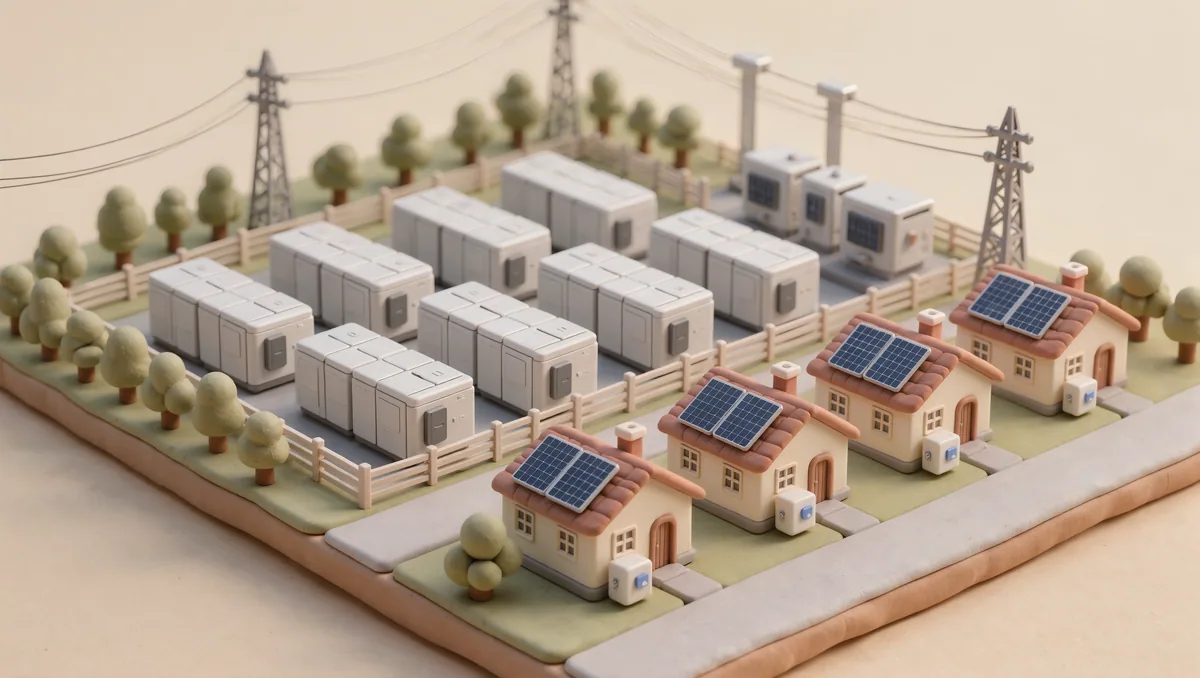
- Home batteries approved under the federal discount program reached 10.3 GWh for the year to September.
- The regulator raised its 2026 home battery forecast to 13 to 15.5 GWh and gave no project costs.
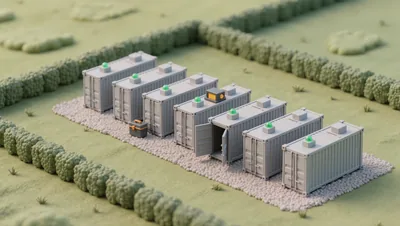
Australian developers took 13.8 GWh of grid-scale batteries to final investment decision in the third quarter of 2026, lifting the year's total to 20.0 GWh.
The figures come from the Clean Energy Regulator's Quarterly Carbon Market Report for July to September, published Nov. 26. Home batteries approved under the Cheaper Home Batteries Program reached 10.3 GWh for 2026.
Australia's storage pipeline in numbers
- 3.4 GW of battery power reached FID in Q3, or about 4.1 hours of storage per MW (list.solar calculation).
- 69% of the year's 20.0 GWh of committed grid storage came in the third quarter (list.solar calculation).
- 29.8 GWh of grid batteries are in service nationally, against 11.8 GWh at the end of 2025.
- 2.3 times larger: the average project entering service grew from 265 MWh in 2025 to 621 MWh in 2026 (list.solar calculation).
- 340,000 installations make up the 10.3 GWh of home and business batteries, about 30 kWh each (list.solar calculation).
- 13 to 15.5 GWh is the regulator's new forecast for home battery capacity installed in 2026, up from 8 to 12 GWh.
- 38% of the roughly 40 GWh the program is expected to add by 2030 is approved, at 15.3 GWh since launch (list.solar calculation).
Both MWh averages describe projects coming into service, not new investment decisions. Home figures count only approved claims, so Q3's 74,000 systems and 1.9 GWh are expected to rise. Average usable capacity fell from 36 kWh in April to 22 kWh in May, when the program's incentives changed.
The program cuts about 30% off a battery's upfront cost, says the energy department, which now budgets an estimated A$7.2 billion over four years. The report gives no costs or prices per kWh. It names no battery suppliers. It ties bigger projects to falling capital costs in CSIRO's GenCost analysis. Generation FID was 2.1 GW of wind and solar in Q3, a different count from our Nov. 23 story.
"Households with solar and batteries are using less grid electricity during the evening peak, helping to bring down costs for everyone," said CER Chair Tony Chappel. Homes with both imported 74% less power at the evening peak than solar-only homes, the report says, citing grid operator AEMO. Spot prices averaged A$63/MWh, down 27% year on year.
A new large-scale battery pipeline tracker goes online in December 2026, with monthly updates from January 2027. The next scheduled cut to home battery incentives takes effect Jan. 1, 2027.